
🏆 Winner of Superpowers for Good - Viewers Choice Award
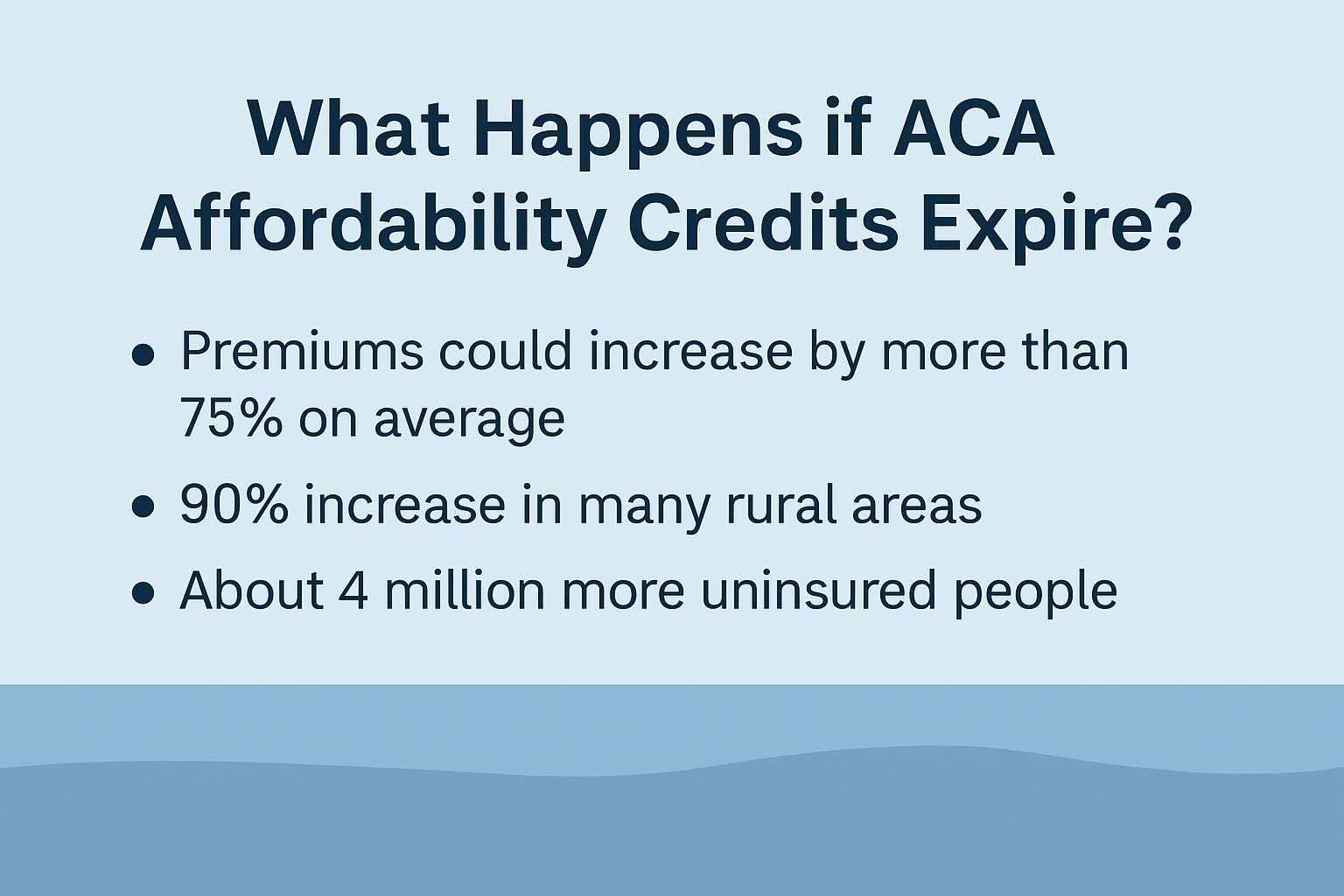
The Affordable Care Act (ACA) includes tax credits designed to make health insurance more affordable for households purchasing plans on the Marketplace. In recent years, Congress expanded these credits to further reduce costs and broaden eligibility.
However, these enhanced premium tax credits are set to expire unless extended—raising urgent questions about the future of affordability and access to coverage for millions of Americans.
Analysis from the Congressional Budget Office (CBO) and the KFF Health Policy Institute paints a stark picture if the credits lapse:
These projections highlight just how critical the enhanced credits have been in keeping premiums manageable and sustaining coverage levels.
The enhanced credits capped the cost of benchmark ACA plans at approximately 8.5% of household income—a significant improvement over previous limits—and expanded eligibility to include middle-income households who previously received little or no assistance.
Without them, the financial burden shifts back to individuals and families, with disproportionate effects:
The debate over extending the ACA affordability credits is part of a larger national conversation about healthcare costs. Despite progress, premiums, deductibles, and out-of-pocket expenses remain unaffordable for many U.S. households—and policy decisions directly shape how Americans access and pay for care.
In response to these pressures, some individuals are exploring alternatives beyond traditional insurance. Each year, over 2 million Americans seek medical care abroad, drawn by lower prices, shorter wait times, and access to high-quality treatments. While medical travel isn’t a direct substitute for insurance, it reflects a growing reality: when domestic options become financially out of reach, people look elsewhere for solutions.
Whether extended or allowed to expire, the fate of the ACA’s enhanced tax credits will significantly shape the U.S. health coverage landscape—for premiums, enrollment, and the number of uninsured Americans.
At CureValue, our mission remains clear: to help people explore safe, transparent, and cost-effective healthcare options around the world, while staying informed about policy changes that affect affordability and access at home.
You deserve options when it comes to your health. Sign Up to unlock access to trusted hospitals, doctors, and travel assistance.
It's free and only takes a moment!