
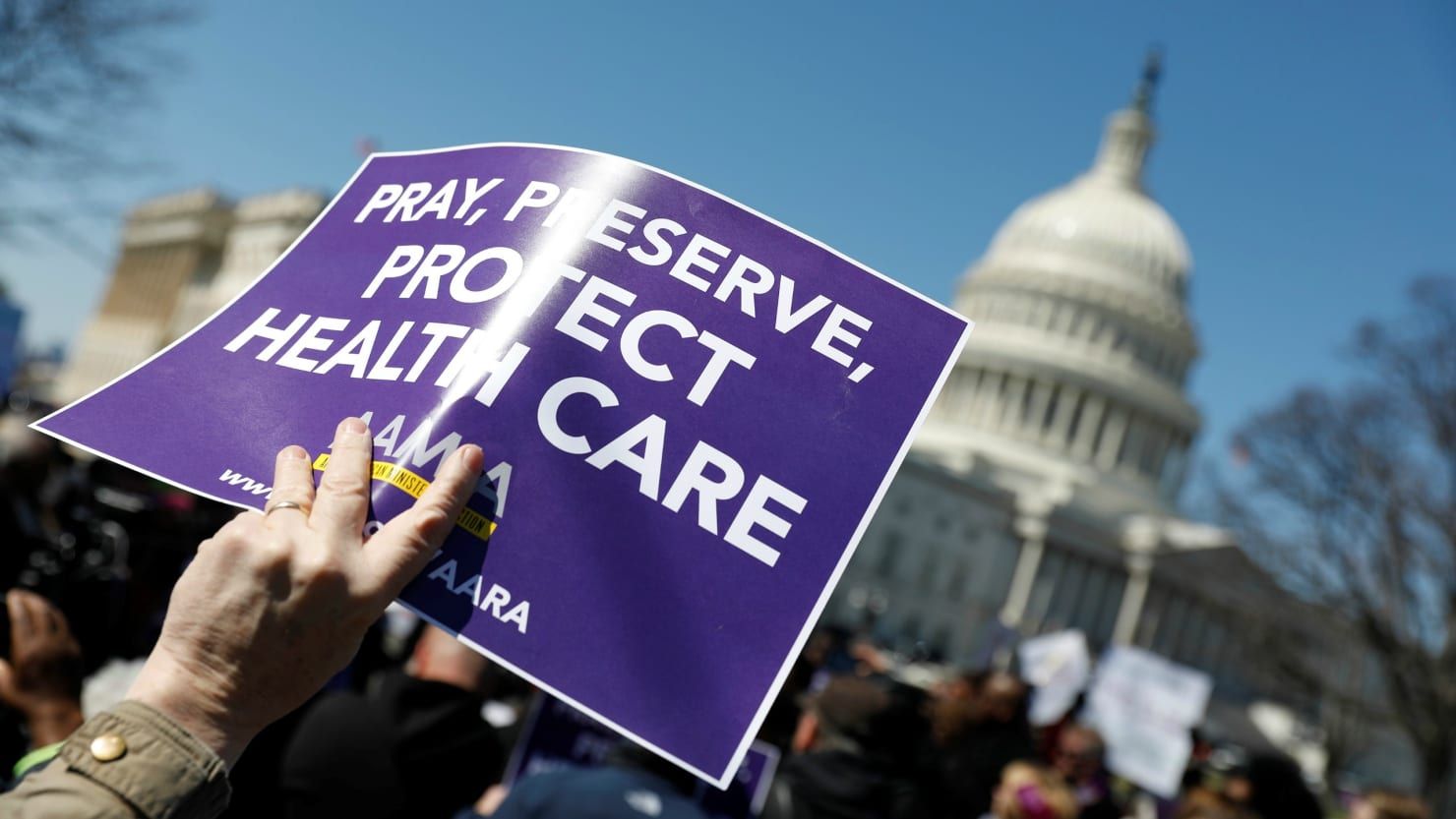
The U.S. healthcare system is often criticized for its high costs, complexity, and inefficiency. Patients struggle with expensive treatments, complicated insurance processes, and inconsistent care quality. As a result, many Americans are exploring medical tourism as a viable—and often life-changing—alternative. In this post, we’ll examine the systemic issues plaguing U.S. healthcare and highlight how seeking treatment abroad offers real relief.
One of the most glaring flaws in American healthcare is its staggering expense. According to the Centers for Medicare & Medicaid Services (CMS), the U.S. spent nearly $4 trillion on healthcare in 2020—over $12,500 per person. Despite this massive investment, Americans still face some of the highest out-of-pocket costs in the world.
This isn’t just about premiums—it’s about procedure pricing. A single knee replacement can cost $50,000 or more, while a dental implant averages $3,000–$4,500. Even insured patients often find themselves drowning in bills.
Insurance in the U.S. adds layers of confusion and financial risk. High premiums, steep deductibles, and surprise co-insurance clauses leave many underprotected. The Commonwealth Fund reports that in 2020, 43.4% of working-age adults were inadequately insured—meaning they were either uninsured or underinsured relative to their medical needs.
Worse, insurers often classify essential procedures as “elective,” denying coverage even when care is medically necessary. This loophole leaves patients financially exposed—even with “good” insurance.
Sarah, an insured patient with Anthem Blue Cross Blue Shield, needed a knee replacement. She assumed her policy would cover it. Instead, she was told the surgery was “elective,” triggering a cascade of out-of-pocket costs. Her total bill? Over $50,000—thanks to high deductibles and 20–30% co-insurance.
Overwhelmed, Sarah researched alternatives. She discovered that the same surgery in Mexico would cost less than $10,000—including flights, hotel, and recovery care. The facility was JCI-accredited, the surgeon trained in the U.S., and the care deeply compassionate.
Her experience wasn’t just cheaper—it was better. “I felt seen as a person, not a billing code,” she said. “For the first time in years, I felt dignity in my care.”
Sarah’s story is not rare. It’s representative.
Families across America are grappling with a system that often prioritizes profit over patients. Long wait times, opaque pricing, and administrative chaos have left millions feeling trapped. Meanwhile, countries like Mexico, Thailand, India, Costa Rica, and Turkey are building world-class medical infrastructure designed for international patients—offering:
For many, medical tourism isn’t a last resort—it’s a smarter first choice.
The U.S. healthcare system’s dysfunction is driving a quiet revolution. Medical tourism isn’t just about saving money—it’s about reclaiming agency, accessing timely care, and receiving treatment with humanity.
As more patients share stories like Sarah’s, the trend will only grow. And with platforms like CureValue offering verified provider data, cost comparisons, and travel support, navigating care abroad is safer and simpler than ever.
If you or someone you know has considered—or experienced—medical tourism, we’d love to hear your story. Sharing these journeys helps others see that better care is possible.
Stay informed. Explore your options. And remember: your health shouldn’t be held hostage by a broken system.
You deserve options when it comes to your health. Sign Up to unlock access to trusted hospitals, doctors, and travel assistance.
It's free and only takes a moment!