
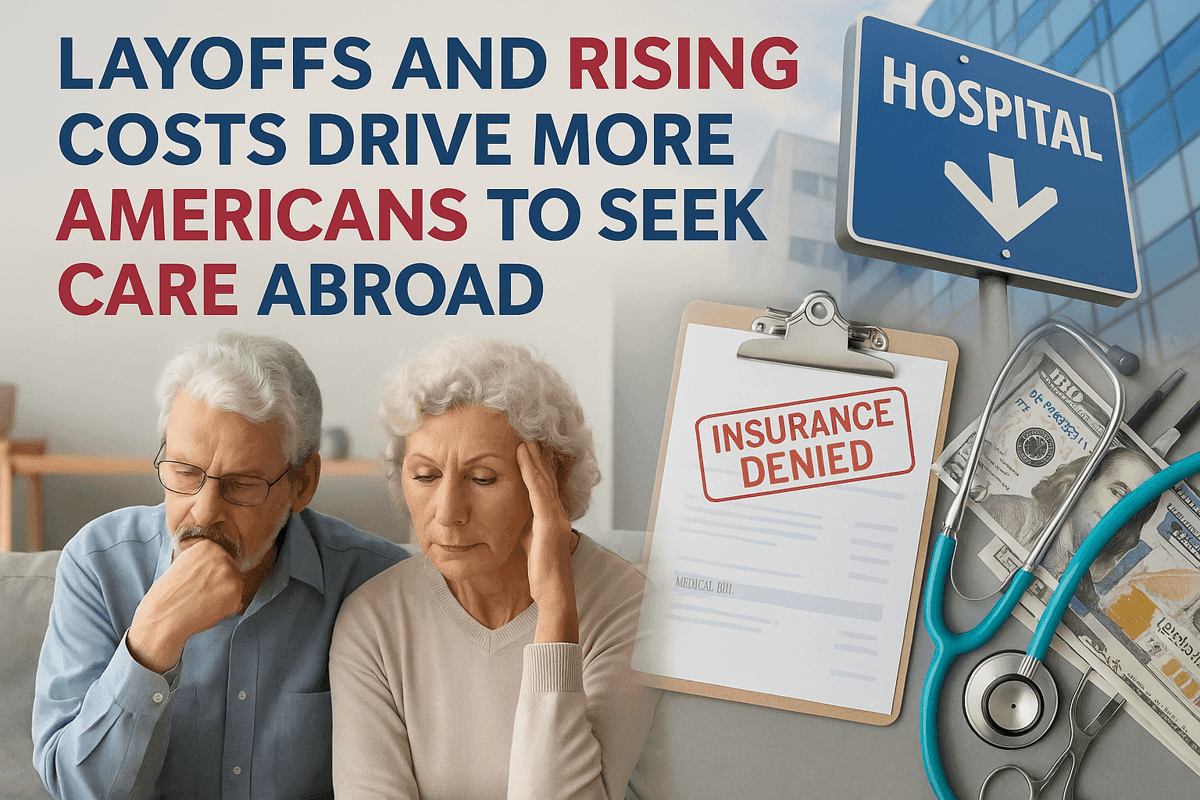
In yet another sign of the financial strain on the U.S. healthcare system, hospitals across the country are announcing layoffs and budget cuts. According to a recent article by Becker’s Hospital Review, at least 20 hospitals and health systems are reducing their workforce in 2025. These cuts come in response to:
While these moves may be necessary for institutional survival, they raise serious concerns about the quality and accessibility of care for American patients.
Adding to this crisis is a demographic shift: approximately 10,000 Americans retire every day. As the baby boomer generation ages, demand for healthcare services is surging—just as hospitals are cutting staff and resources. This growing mismatch between supply and demand means:
For many Americans—especially retirees living on fixed incomes—these challenges make seeking alternative healthcare solutions more pressing than ever.
Another factor worsening the affordability crisis is the current wave of tariffs on medical equipment and supplies. These tariffs are driving up the cost of essential devices—from imaging machines to surgical tools. As providers face higher expenses, costs trickle down to patients through increased bills and insurance premiums.
At the same time, insurance companies are tightening approval criteria, leading to more denials and higher out-of-pocket expenses. Many Americans now find themselves caught between soaring medical bills and reduced coverage—making affordable care seem further out of reach.
With U.S. hospitals struggling to maintain services while costs skyrocket, medical tourism is becoming an increasingly viable solution. Countries like Mexico, Costa Rica, Thailand, and Turkey offer world-class facilities, highly trained doctors, and significantly lower prices for procedures ranging from orthopedic surgeries to dental care.
Here’s why healthcare tourism is growing:
For retirees facing escalating costs, limited access, and insurance denials, medical tourism offers a practical and cost-effective alternative.
At CureValue, we understand that seeking treatment abroad isn’t just about cost—it’s about trust, safety, and convenience. That’s why we’ve built a platform that helps Americans:
As the U.S. healthcare system faces ongoing challenges—an aging population, staffing shortages, and rising costs—CureValue offers a reliable, patient-centered alternative.
Interested in learning more? Explore medical destinations and cost comparisons at CureValue.org.
You deserve options when it comes to your health. Sign Up to unlock access to trusted hospitals, doctors, and travel assistance.
It's free and only takes a moment!