

Care destination
Medical Treatment in Japan
Japan has 5 providers listed on CureValue across 12 treatment categories, 1 internationally accredited, with average savings of 26% compared with typical US costs. Major hubs are Tokyo, Kamogawa, and Tatsuno.

Why Japan for medical care
Japan is renowned for its advanced healthcare system, cutting-edge technology, and high standards of medical care, making it an attractive destination for American patients seeking treatment abroad. The country boasts numerous internationally accredited hospitals and clinics, particularly in major cities like Tokyo and Osaka, where specialists in fields such as oncology, cardiology, and orthopedics are readily available. Many facilities cater specifically to international patients, offering services in English and streamlined processes for medical travelers. While costs can vary, patients may find certain treatments to be more affordable than in the United States, especially for elective procedures. Japan's commitment to quality care, combined with its rich culture and accessibility, enhances its appeal as a medical travel destination.
Treatments offered in Japan
Cancer Treatment
4
Providers
18%
Avg savings
Typical price range $8,000 to $12,000
Cardiology
3
Providers
37%
Avg savings
Typical price range $800 to $150,000
Orthopedic/Knee Surgery
2
Providers
39%
Avg savings
Typical price range $10,000 to $30,000
Dentistry
1
Provider
23%
Avg savings
Typical price range $430 to $2,500
Eye Care
1
Provider
17%
Avg savings
Typical price range about $2,500
Gynecology
1
Provider
—
Avg savings
Typical price range —
Top facilities in Japan
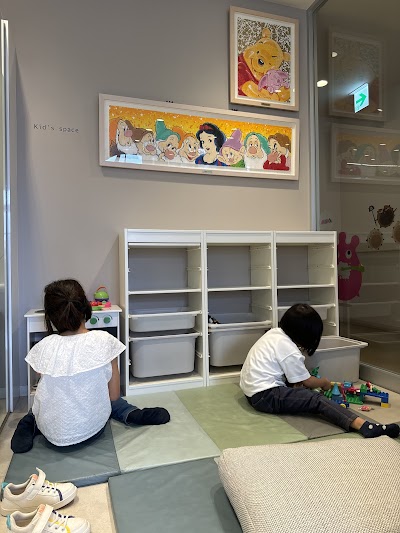

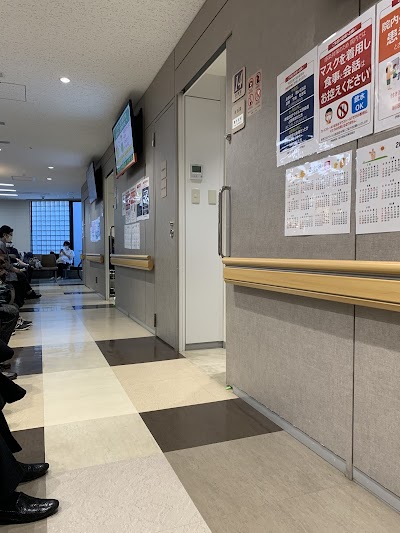
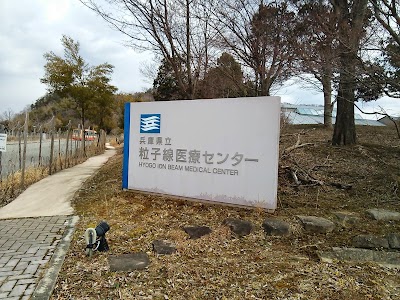
Destination facts
Travel and Stay
Round-trip flight
From JFK
Unavailable
One-night stay
Average price in Japan
Average price for one night in Japan, shown in US dollars.
Attractions
In Japan
Unavailable
Frequently asked questions
When planning a trip to Japan for medical care, it's important to research the healthcare facilities and understand the logistics of your stay. Many hospitals are well-equipped to handle international patients, and English-speaking staff are often available. Additionally, familiarize yourself with local customs and transportation options to ensure a smooth experience.
The cost of living in Japan can vary significantly depending on the city. Generally, urban areas like Tokyo may have higher accommodation and dining costs compared to rural regions. While some medical travelers find that certain expenses are lower than in the U.S., it's essential to budget for your specific needs and preferences.
U.S. citizens traveling to Japan for short stays, including medical travel, typically do not need a visa for visits up to 90 days. However, it's advisable to check the latest entry requirements and ensure your passport is valid for the duration of your stay. Always verify any updates before your trip.
While Japanese is the primary language, many healthcare facilities in Japan, especially those catering to international patients, have English-speaking staff. It's helpful to learn a few basic phrases in Japanese, but you can generally expect assistance in English at major hospitals and clinics.
Japan has an extensive and efficient public transportation system, including trains, subways, and buses, making it easy to navigate cities. For medical travelers, it's advisable to plan your routes in advance and consider purchasing a Japan Rail Pass for longer journeys. Taxis are also available, but they can be more expensive than public transport.
Data last updated July 10, 2026. Prices and savings are estimates, not guarantees.