


Medical Treatment in Mexico
Mexico has 155 providers listed on CureValue across 30 treatment categories, 17 internationally accredited, with typical savings of 50% compared with typical US costs. Major hubs are Ciudad de Mexico, Los Algodones, Tijuana, and Cancun.

Why Mexico for medical care
Mexico has become a popular destination for American medical travelers due to its proximity, affordability, and high-quality healthcare services. The country boasts numerous internationally accredited hospitals and clinics, particularly in cities like Tijuana, Cancun, and Guadalajara, where specialized care in areas such as dental work, cosmetic surgery, and orthopedic procedures is readily available. Many healthcare providers in Mexico utilize advanced technology and have experienced specialists, often at a fraction of the cost compared to similar treatments in the United States. Additionally, the ease of access, with many direct flights from U.S. cities, makes Mexico a convenient option for those seeking medical care abroad.
Treatments offered in Mexico
Dentistry
66
Providers
59%
Typical savings
Typical price range $300 to $1,200
Cardiology
39
Providers
70%
Typical savings
Typical price range $2,500 to $45,000
Pediatrics
39
Providers
32%
Typical savings
Typical price range $800 to $900
Orthopedic/Knee Surgery
30
Providers
60%
Typical savings
Typical price range $2,500 to $15,000
Urology
28
Providers
50%
Typical savings
Typical price range $500 to $30,000
General Surgery
27
Providers
69%
Typical savings
Typical price range $2,500 to $6,000
Top facilities in Mexico
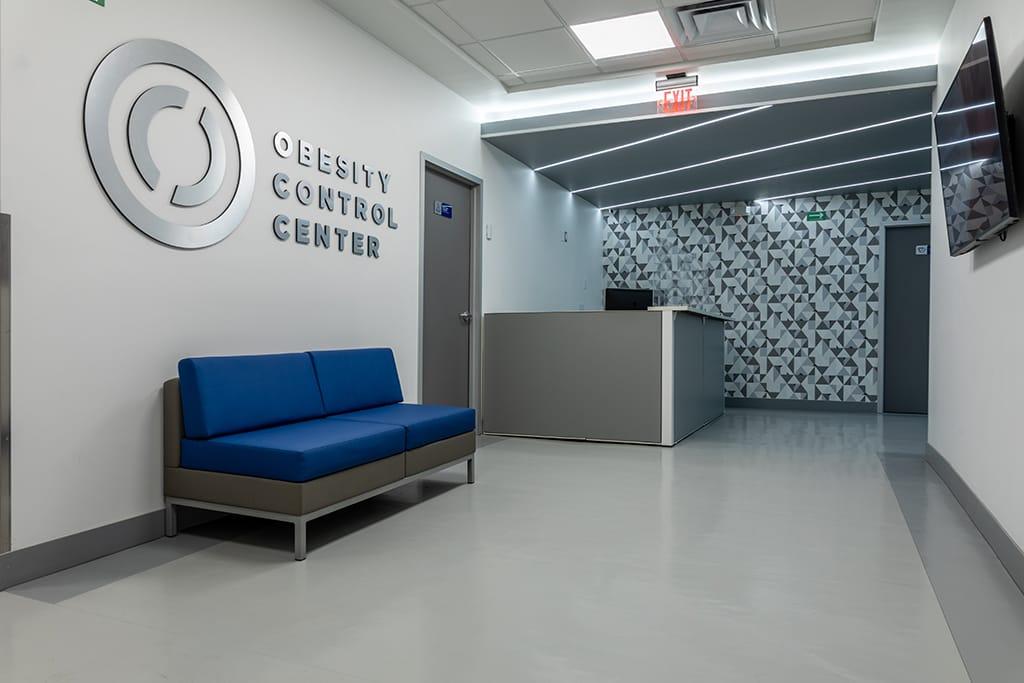
Obesity Control Center

99

Medica Sur
99
Destination facts
Travel and Stay
Round-trip flight
One-night stay
Attractions
Frequently asked questions
When traveling to Mexico for medical care, it's important to plan ahead. Ensure you have all necessary documents, including a valid passport. Familiarize yourself with the local area where you will be receiving care, and consider arranging transportation in advance to make your journey smoother.
The cost of living in Mexico is generally lower than in the U.S., which can make accommodations, food, and transportation more affordable. However, prices can vary significantly depending on the city and region, so it's wise to research specific areas to get a better understanding of potential expenses.
U.S. citizens do not need a visa for stays of 180 days or less in Mexico. However, you must present a valid passport upon entry. It's advisable to keep a copy of your passport and any important documents with you while traveling.
Many healthcare professionals in Mexico, especially in popular medical tourism areas, speak English. This can help facilitate communication during your visit. However, it's beneficial to learn a few basic Spanish phrases to enhance your experience and interactions.
When planning your trip, consider how you will get around, especially if you need to attend follow-up appointments. Many medical travelers opt for private transportation or arrange for a local driver. Additionally, ensure your recovery accommodations are comfortable and conveniently located near your treatment facility.
Data last updated July 10, 2026. Prices and savings are estimates, not guarantees.