

Treatment destination
Opioid addiction treatment Care in Taiwan
Opioid addiction treatment in Taiwan is listed on CureValue.

Why Americans travel for opioid addiction treatment care
Opioid addiction treatment is a structured approach designed to help individuals overcome dependence on opioid medications, which can include prescription pain relievers and illegal drugs like heroin. Treatment typically involves a combination of medication-assisted treatment (MAT), counseling, and behavioral therapies to address both the physical and psychological aspects of addiction. Common symptoms that may lead someone to seek treatment include cravings, withdrawal symptoms, and difficulties in daily functioning due to opioid use. Options for treatment may include medications such as methadone, buprenorphine, or naltrexone, along with support services. Some Americans consider seeking opioid addiction treatment abroad due to factors like shorter wait times, availability of specific therapies, or potentially lower costs. While there may be potential benefits to receiving care in another country, such as access to specialized programs, it is crucial to carefully evaluate the experience of healthcare providers, the quality and accreditation of facilities, and the transparency of costs. Additionally, patients should consider the logistics of travel, recovery time, and the availability of follow-up care to ensure a comprehensive treatment experience.

Key stats: Opioid addiction treatment in Taiwan

87
Top addiction treatment facilities in Taiwan
Compare all 1 provider →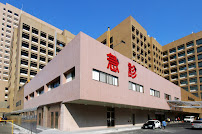
Kaohsiung Medical University Hospital
87
Travel and Stay
Round-trip flight
From JFK
Unavailable
One-night stay
Average price in Taiwan
Average price for one night in Taiwan, shown in US dollars.
Attractions
In Taiwan
Unavailable
Frequently asked questions
When seeking opioid addiction treatment internationally, consider the facility's accreditation, the experience of the healthcare providers, and the treatment methods offered. It's also important to research patient reviews and the overall reputation of the destination for addiction treatment.
To ensure safety and quality, look for facilities that are accredited by recognized international health organizations. Additionally, inquire about the qualifications and experience of the medical staff, as well as the standards of care and patient safety protocols in place.
Ask about the provider's experience with opioid addiction treatment, the specific therapies they offer, and their success rates. Additionally, inquire about aftercare support, follow-up procedures, and how they handle potential complications during treatment.
Recovery timelines can vary based on individual circumstances and the treatment approach used. Generally, initial detoxification may take several days, followed by a structured rehabilitation program that can last from a few weeks to several months, depending on the severity of the addiction.
While costs for opioid addiction treatment abroad can often be lower than in the U.S., it's essential to consider the overall value, including the quality of care and the comprehensiveness of the treatment program. Always request detailed estimates and understand what is included in the price before making a decision.
Before traveling to Taiwan for medical care, it's important to plan your itinerary, including accommodations and transportation. Familiarize yourself with local customs and healthcare practices. Many hospitals cater to international patients, offering English-speaking staff and assistance with logistics, which can enhance your experience.
The cost of living in Taiwan is generally lower than in the U.S., particularly in terms of food and transportation. While specific medical costs can vary, many travelers find that daily expenses, such as lodging and meals, are more affordable, allowing for a comfortable stay during their medical journey.
U.S. citizens can enter Taiwan without a visa for stays of up to 90 days for tourism or business purposes. It's advisable to have a valid passport and a return ticket. Always check for the latest entry requirements before your trip, as policies may change.
Yes, many healthcare facilities in Taiwan have English-speaking staff, especially in major cities and hospitals that cater to international patients. This can help ease communication and ensure you receive the information you need during your medical travel experience.
Taiwan offers a variety of transportation options, including an efficient public transit system with trains, buses, and the Taipei Metro. Taxis and ride-sharing services are also widely available. Planning your transportation in advance can help ensure a smooth experience during your stay, especially when attending medical appointments.
Data last updated July 10, 2026. Prices and savings are estimates, not guarantees.