

Treatment destination
Hormone therapy Care in Austria
Hormone therapy in Austria is listed on CureValue.

Why Americans travel for hormone therapy care
Hormone therapy involves the use of medications to supplement or replace hormones in the body, often recommended for conditions such as menopause symptoms, hormonal imbalances, or certain cancers. The treatment typically includes options like estrogen, progesterone, or testosterone, and may be administered through pills, patches, injections, or implants. Americans may consider seeking hormone therapy abroad for reasons such as shorter wait times, availability of specific treatments, or potentially lower costs, though these factors can vary widely by location. While some patients report benefits like improved quality of life, it is important to approach care abroad with caution, ensuring that providers have the necessary experience and that facilities are accredited and maintain high standards. Key considerations include understanding the total costs, recovery times, travel logistics, and the availability of follow-up care after returning home, as these can significantly impact the overall experience and outcomes of hormone therapy.

Key stats: Hormone therapy in Austria

85
Top cancer treatment facilities in Austria
Compare all 3 providers →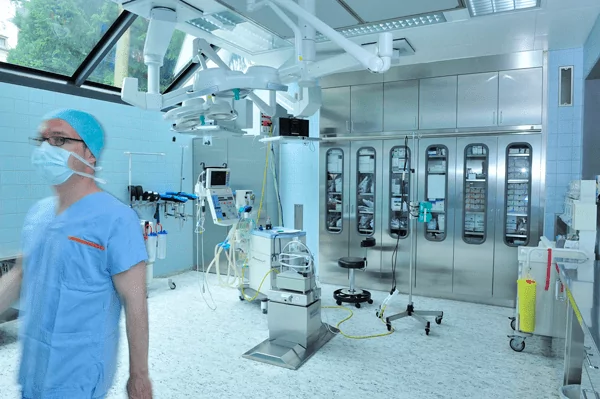
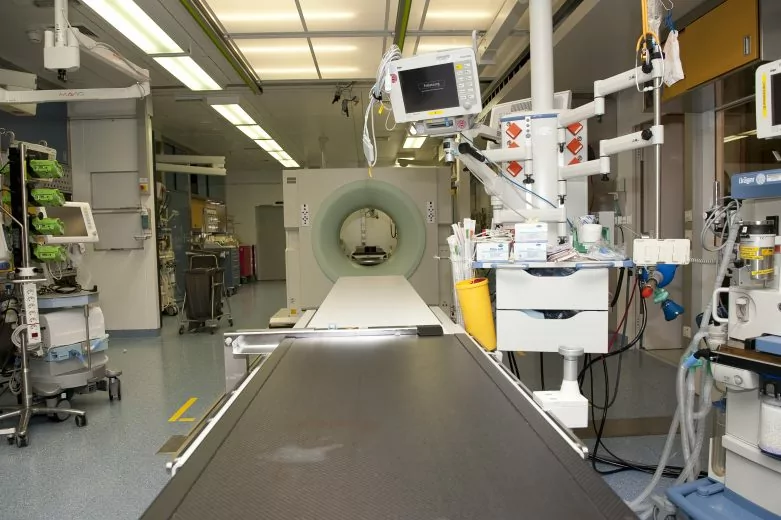

Top cancer treatment doctors in Austria




Travel and Stay
Round-trip flight
From JFK
Unavailable
One-night stay
Average price in Austria
Average price for one night in Austria, shown in US dollars.
Attractions
In Austria
Unavailable
Frequently asked questions
When considering hormone therapy abroad, it's important to research the qualifications and experience of the providers, the accreditation of the facilities, and the specific protocols they follow. Additionally, look into patient reviews and testimonials to gauge the quality of care.
To ensure safety and quality, verify that the facility is accredited by recognized international health organizations. Inquire about the provider's experience with hormone therapy and ask for details on their protocols for patient safety and care.
Recovery time after hormone therapy can vary based on the type of treatment and individual factors. Generally, patients may need a few days to a couple of weeks for initial recovery, but follow-up care and monitoring will be necessary, which can influence travel plans.
Before selecting a provider for hormone therapy, ask about their experience with the specific treatment you need, the types of hormones they use, their follow-up care process, and how they handle complications. It's also important to inquire about the facility's accreditation and patient support services.
While many patients seek hormone therapy abroad for potential cost savings, prices can vary widely based on the destination and provider. It's essential to obtain detailed quotes and understand what is included in the price, as well as any additional costs for travel and accommodations.
When planning your trip to Austria for medical care, it's important to research the healthcare facilities and understand the logistics of your stay. Many hospitals are well-equipped to handle international patients, and English is commonly spoken in medical settings. Additionally, consider the proximity of your accommodation to the healthcare facility for ease of access during your recovery.
U.S. citizens can enter Austria for short stays of up to 90 days without a visa for tourism or business purposes. However, if you plan to stay longer or require specific medical treatments, it's advisable to check the latest entry requirements and consider contacting the Austrian embassy for guidance on any necessary documentation.
The cost of living in Austria can vary by city, but generally, it is comparable to many U.S. cities. While some expenses like dining and public transportation may be lower, accommodation costs can be similar to those in major U.S. urban areas. It's wise to budget accordingly and explore options for lodging that fit your needs during your medical stay.
Yes, English is widely spoken in Austria, particularly in urban areas and among healthcare professionals. Many doctors and medical staff are proficient in English, making communication easier for American patients. However, it's always helpful to learn a few basic German phrases to enhance your experience while traveling.
Austria has an efficient public transportation system, including trains, trams, and buses, making it easy to navigate cities and travel between locations. For medical travelers, consider the proximity of your accommodation to public transport options, as well as the availability of taxis or rideshare services for convenience during your recovery.
Data last updated July 10, 2026. Prices and savings are estimates, not guarantees.