

Treatment destination
Radiation therapy Care in Bulgaria
Radiation therapy in Bulgaria typically costs $5,000 to $7,500 on CureValue-listed providers, about 34 percent less than typical US prices.

Why Americans travel for radiation therapy care
Radiation therapy is a medical treatment that uses high doses of radiation to kill or damage cancer cells, and it is often recommended for conditions such as breast cancer, prostate cancer, and certain brain tumors. The treatment typically involves a series of sessions where targeted radiation is delivered to the affected area, which can be done using external beam radiation or internal radiation (brachytherapy). Some Americans may consider seeking radiation therapy abroad due to factors like shorter wait times, availability of advanced technologies, or potentially lower costs, though these aspects can vary widely by location and facility. When evaluating care outside the U.S., it is important to consider the experience of the healthcare providers, the quality and accreditation of the treatment facility, and the transparency of costs, as well as logistics such as travel and recovery time. While some patients may find benefits in accessing specialized care or innovative techniques abroad, it is crucial to thoroughly research and weigh all factors, including the potential need for follow-up care after returning home.

Key stats: Radiation therapy in Bulgaria

89
Radiation therapy costs in Bulgaria vs the US
Estimates from providers listed on CureValue. Actual prices vary by provider and case.
| Procedure | Bulgaria price range | Typical US cost | Average savings |
|---|---|---|---|
| Radiation Therapy | $5,000 to $7,500 | about $10,000 | 34% |
Radiation Therapy
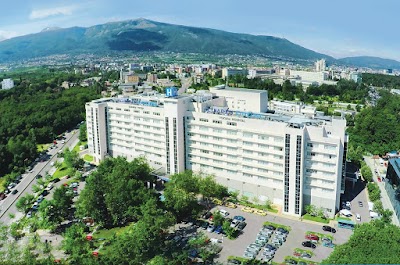
Top cancer treatment facilities in Bulgaria
Compare all 5 providers →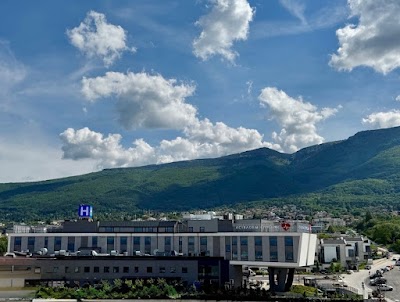

Travel and Stay
Round-trip flight
One-night stay
Attractions
Frequently asked questions
When evaluating facilities for radiation therapy, consider the accreditation of the hospital, the experience and qualifications of the medical team, and the technology used in treatment. Look for facilities that adhere to international standards and have a track record of successful patient outcomes.
To ensure safety and quality, research the facility's accreditation, read patient reviews, and inquire about the qualifications of the radiation oncologists. It's also important to ask about the protocols in place for patient safety and the technology used for treatment.
Recovery times after radiation therapy can vary based on the individual and the specific treatment plan, but many patients can resume normal activities within a few days. Follow-up care is crucial, so ensure you understand the schedule for follow-up appointments and any necessary imaging or tests.
Key questions to ask include the provider's experience with your specific type of cancer, the technology they use for radiation therapy, and their protocols for managing side effects. Additionally, inquire about the support services available for international patients, such as translation and accommodation.
While many patients seek radiation therapy abroad for potential cost savings, prices can vary widely based on the facility and location. It's important to obtain detailed quotes and understand what is included in the cost, as well as any additional expenses for travel and accommodation.
When planning your trip to Bulgaria for medical care, it's important to research the healthcare facilities and understand the logistics of your stay. Many cities, such as Sofia and Plovdiv, are well-equipped with modern healthcare infrastructure. Additionally, consider arranging accommodations close to your treatment center for convenience during recovery.
Bulgaria generally offers a lower cost of living compared to the United States, which can extend to lodging and food expenses. While prices can vary by city, many American travelers find that they can enjoy comfortable accommodations and dining options at a fraction of U.S. prices, making it an attractive destination for medical travelers.
U.S. citizens can enter Bulgaria for short stays of up to 90 days without a visa for tourism or medical purposes. It's advisable to have a valid passport and to check for any updates on entry requirements before your trip, as regulations can change.
English is commonly spoken in Bulgaria, particularly in urban areas and among healthcare professionals. Many doctors and medical staff are proficient in English, which can help facilitate communication during your medical travel experience.
Bulgaria offers various transportation options, including public buses, trams, and taxis, making it easy to navigate cities. For added convenience, consider arranging airport transfers or using ride-sharing services. Planning your transportation in advance can help ensure a smooth experience during your medical trip.
Data last updated July 10, 2026. Prices and savings are estimates, not guarantees.