

Treatment destination
Stem cell transplant Care in South Korea
Stem cell transplant in South Korea is listed on CureValue.

Why Americans travel for stem cell transplant care
A stem cell transplant is a medical procedure that involves replacing damaged or diseased bone marrow with healthy stem cells, which can help restore the body's ability to produce blood cells. This treatment is often recommended for conditions such as certain types of cancer (like leukemia and lymphoma), severe anemia, or genetic disorders affecting blood cell production. The process typically includes collecting stem cells from the patient or a donor, followed by high-dose chemotherapy or radiation to prepare the body, and then infusing the healthy stem cells. Some Americans may consider seeking a stem cell transplant abroad due to factors like shorter wait times, availability of specific treatments, or potentially lower costs. While there may be potential benefits to receiving care in other countries, such as access to specialized expertise or advanced techniques, it is crucial to thoroughly evaluate the experience of the healthcare providers, the quality and accreditation of the facilities, and the transparency of costs. Additionally, patients should consider the logistics of travel, recovery time, and the availability of follow-up care when making their decision.

Key stats: Stem cell transplant in South Korea

87
Top cancer treatment facilities in South Korea
Compare all 14 providers →
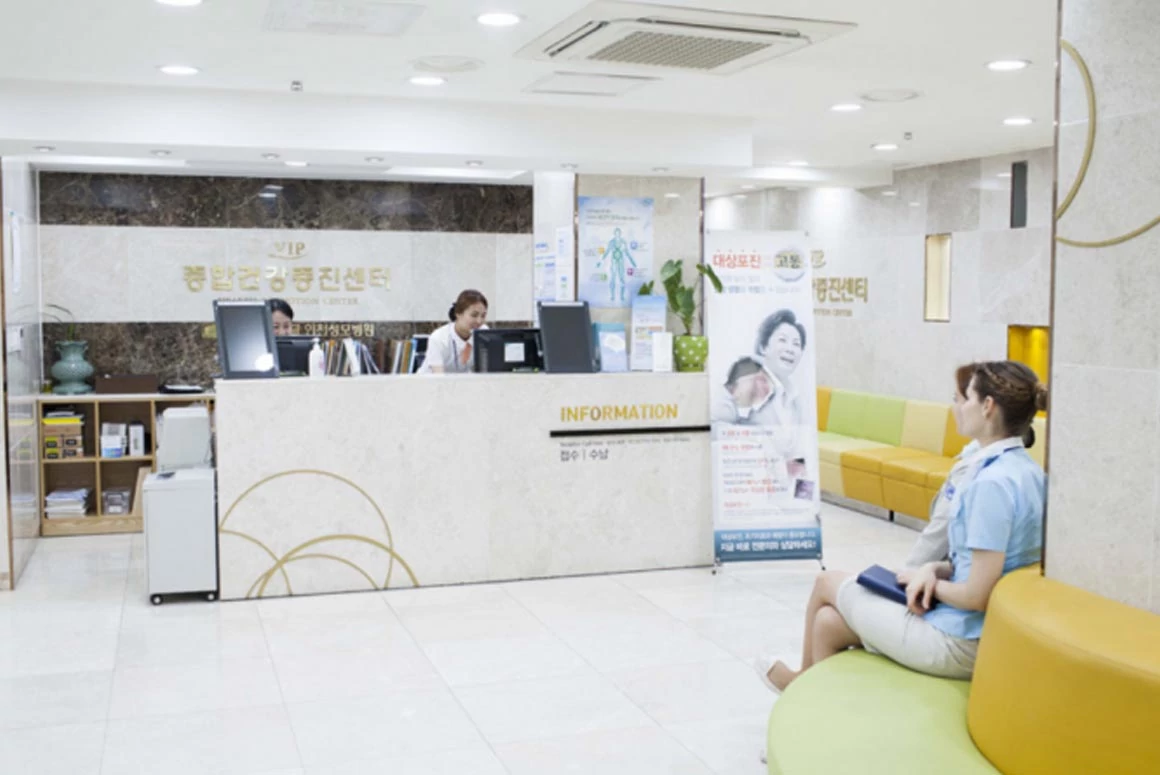
Seoul St. Mary’s Hospital at Kwandong Catholic University
90
Top cancer treatment doctors in South Korea

Prof Jin-Hyoung Kang
Cancer Treatment
Seoul St. Mary’s Hospital at Kwandong Catholic UniversityView facility
Prof Jin-Hyoung Kang
Cancer Treatment
Seoul St. Mary’s Hospital at Kwandong Catholic UniversityView facility
Prof. Seok-Goo Cho
Cancer Treatment
Seoul St. Mary’s Hospital at Kwandong Catholic UniversityView facility
Travel and Stay
Round-trip flight
From JFK
Unavailable
One-night stay
Average price in South Korea
Average price for one night in South Korea, shown in US dollars.
Attractions
In South Korea
Unavailable
Frequently asked questions
When evaluating international options for Stem Cell Transplant, consider the provider's experience, facility accreditation, and the specific protocols they follow. Research patient reviews and outcomes, and ensure the facility has a strong track record in stem cell treatments.
To assess safety and quality, look for facilities accredited by recognized international health organizations. Additionally, inquire about the experience of the medical team, the types of stem cells used, and the facility's adherence to international treatment standards.
Recovery timelines can vary, but patients typically spend several weeks in the hospital followed by a period of outpatient care. It's important to plan for follow-up visits and potential complications, which may require additional time abroad.
Before choosing a provider, ask about their experience with Stem Cell Transplant, the types of stem cells they use, and their success rates. Additionally, inquire about the support services available for international patients, including travel and accommodation assistance.
While costs for Stem Cell Transplant abroad may be lower than in the U.S., it's essential to consider the total expenses, including travel, accommodation, and follow-up care. Always request a detailed breakdown of costs and understand what is included in the treatment package.
When planning your trip to South Korea for medical care, it's important to research the healthcare facilities and understand the logistics of your stay. Many hospitals cater to international patients, offering services in English and assistance with travel arrangements. Additionally, familiarize yourself with local customs and transportation options to ensure a smooth experience.
The cost of living in South Korea can vary significantly depending on the city and lifestyle. Generally, accommodations, food, and transportation can be more affordable than in many U.S. cities. However, it's wise to budget according to your personal preferences and needs, as prices can fluctuate.
U.S. citizens traveling to South Korea for short stays, including medical travel, typically do not need a visa for visits of up to 90 days. However, it's essential to have a valid passport and check for any updates on entry requirements before your trip. Always verify the latest information from official sources.
English is commonly spoken in major cities and tourist areas in South Korea, particularly in healthcare settings that cater to international patients. Many medical professionals are proficient in English, which can help ease communication during your visit. However, learning a few basic Korean phrases can enhance your experience.
South Korea has an efficient public transportation system, including subways, buses, and taxis, making it easy to navigate cities. For medical travelers, many hospitals offer shuttle services or assistance with transportation arrangements. It's advisable to download local transportation apps to help plan your journeys.
Data last updated July 10, 2026. Prices and savings are estimates, not guarantees.