

Treatment destination
Targeted therapy Care in Mexico
Targeted therapy in Mexico is listed on CureValue.

Why Americans travel for targeted therapy care
Targeted therapy is a type of cancer treatment that uses drugs or other substances to precisely identify and attack cancer cells, often with less harm to normal cells compared to traditional chemotherapy. It is commonly recommended for various cancers, including breast, lung, and colorectal cancers, particularly when specific genetic markers or mutations are present. The treatment typically involves the use of small molecules or monoclonal antibodies that interfere with the growth and spread of cancer. Some Americans may consider seeking targeted therapy abroad due to factors such as availability of specific treatments, potential cost savings, or shorter wait times for procedures. While there may be potential benefits to receiving care internationally, such as access to advanced therapies or specialized expertise, it is crucial to carefully evaluate the experience of healthcare providers, the quality and accreditation of facilities, and the transparency of costs. Additionally, patients should consider logistics like recovery time, travel requirements, and the availability of follow-up care to make an informed decision about their treatment options.

Key stats: Targeted therapy in Mexico

92
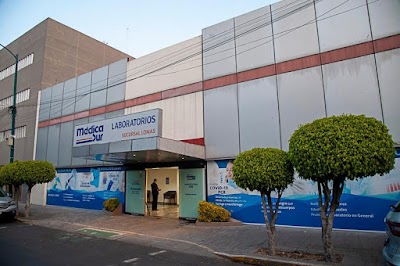
Top cancer treatment facilities in Mexico
Compare all 18 providers →

Top cancer treatment doctors in Mexico


Travel and Stay
Round-trip flight
From JFK
- Direct
- $499
- 1 stop
- $503
One-night stay
Average price in Mexico
Average price for one night in Mexico, shown in US dollars.
Attractions
In Mexico City
- Teotihuacan Tour with Basilica of Guadalupe & Tlatelolco
- Frida Kahlo and Anahuacalli Museums Ticket with Digital Guide
- Teotihuacan Pyramids & Basilica of Guadalupe All-Inclusive
Frequently asked questions
When seeking targeted therapy internationally, consider the provider's experience, the facility's accreditation, and the standards of care they uphold. It's important to research the qualifications of the medical team and the technology used in treatment to ensure safety and effectiveness.
To compare destinations for targeted therapy, look at factors such as the reputation of healthcare facilities, the qualifications of medical professionals, and patient reviews. Avoid focusing solely on cost; instead, assess the overall quality of care and support services available.
Recovery times for targeted therapy can vary based on the specific treatment and individual patient factors. Generally, patients may need to stay in the destination for a few days to a couple of weeks for initial recovery and follow-up appointments, but this can differ widely.
When considering targeted therapy abroad, prioritize facilities that are accredited by recognized international organizations. Additionally, inquire about the protocols in place for patient safety, including infection control measures and emergency care options.
Before choosing a provider for targeted therapy, ask about their experience with the specific treatment, the types of technology they use, and their success rates. Additionally, inquire about the support services available for international patients, including language assistance and travel logistics.
When traveling to Mexico for medical care, it's important to plan ahead. Ensure you have all necessary documents, including a valid passport. Familiarize yourself with the local area where you will be receiving care, and consider arranging transportation in advance to make your journey smoother.
The cost of living in Mexico is generally lower than in the U.S., which can make accommodations, food, and transportation more affordable. However, prices can vary significantly depending on the city and region, so it's wise to research specific areas to get a better understanding of potential expenses.
U.S. citizens do not need a visa for stays of 180 days or less in Mexico. However, you must present a valid passport upon entry. It's advisable to keep a copy of your passport and any important documents with you while traveling.
Many healthcare professionals in Mexico, especially in popular medical tourism areas, speak English. This can help facilitate communication during your visit. However, it's beneficial to learn a few basic Spanish phrases to enhance your experience and interactions.
When planning your trip, consider how you will get around, especially if you need to attend follow-up appointments. Many medical travelers opt for private transportation or arrange for a local driver. Additionally, ensure your recovery accommodations are comfortable and conveniently located near your treatment facility.
Data last updated July 10, 2026. Prices and savings are estimates, not guarantees.