

Treatment destination
Aortic valve stenosis treatment Care in Colombia
Aortic valve stenosis treatment in Colombia is listed on CureValue.

Why Americans travel for aortic valve stenosis treatment care
Aortic valve stenosis treatment is aimed at relieving the narrowing of the aortic valve, which can restrict blood flow from the heart and lead to symptoms like chest pain, fatigue, and shortness of breath. Common treatment options include surgical aortic valve replacement, where the damaged valve is replaced with a mechanical or biological valve, and transcatheter aortic valve replacement (TAVR), a less invasive procedure that involves inserting a new valve through a catheter. Patients may consider seeking this treatment abroad for various reasons, such as shorter wait times, potential cost savings, or access to specific procedures not readily available in the U.S. However, it is crucial to carefully evaluate factors like the experience of the healthcare provider, the quality and accreditation of the facility, and the transparency of costs. Additionally, patients should consider recovery time, travel logistics, and the availability of follow-up care after returning home. Understanding these elements can help patients make informed decisions about their treatment options for aortic valve stenosis.

Key stats: Aortic valve stenosis treatment in Colombia

88
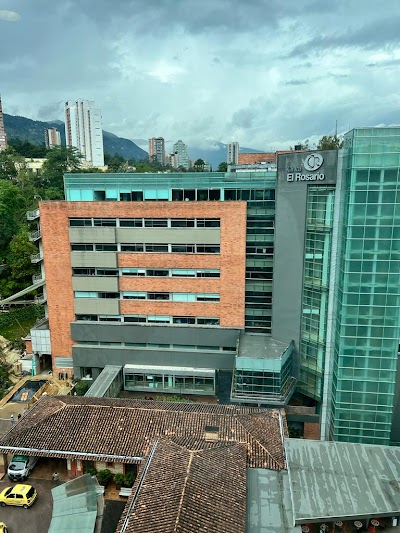
Top cardiology facilities in Colombia
Compare all 10 providers →

Travel and Stay
Round-trip flight
From JFK
Unavailable
One-night stay
Average price in Colombia
Average price for one night in Colombia, shown in US dollars.
Attractions
In Colombia
Unavailable
Frequently asked questions
When evaluating facilities, consider their accreditation status, the experience of the medical team, and the technology available for the procedure. Look for hospitals that have a strong reputation in cardiac care and check for patient reviews and outcomes related to aortic valve procedures.
To ensure safety and quality, research the hospital's accreditation and the qualifications of the cardiologists performing the procedure. Additionally, inquire about the hospital's infection control practices and patient safety records to gauge their commitment to high standards of care.
Recovery time can vary, but many patients may spend a few days in the hospital followed by several weeks of at-home recovery. It's important to plan for follow-up appointments and consider staying near the treatment facility for at least a week or two post-procedure to ensure proper monitoring and care.
Ask about the provider's experience with aortic valve procedures, the types of valves they use, and their complication rates. Additionally, inquire about the hospital's accreditation, the availability of post-operative care, and how they handle emergencies or complications.
While costs can vary significantly based on the destination and facility, many patients find that treatment abroad may be more affordable than in the U.S. However, it's essential to consider all associated costs, including travel, accommodation, and follow-up care, when evaluating your options.
When traveling to Colombia for medical care, it's important to plan ahead. Ensure you have all necessary documents, including a valid passport and any required medical records. Familiarize yourself with local customs and healthcare practices to enhance your experience. Many medical facilities cater to international patients, making the process smoother.
Colombia generally has a lower cost of living compared to the U.S., which can be beneficial for medical travelers. Expenses such as lodging, food, and transportation are often more affordable, allowing for a comfortable stay while receiving care. However, costs can vary by city and personal preferences, so it's wise to budget accordingly.
U.S. citizens do not need a visa for stays of up to 90 days in Colombia for tourism or medical purposes. However, it's essential to have a valid passport and to check for any updates on entry requirements before your trip. Always ensure your travel documents are in order to avoid any issues upon arrival.
While Spanish is the official language in Colombia, many healthcare professionals in major cities and tourist areas speak English. This can make communication easier for American medical travelers. It's still helpful to learn a few basic Spanish phrases to enhance your experience and interactions.
Getting around Colombia is generally convenient, with options like taxis, rideshare services, and public transportation available in urban areas. For recovery, consider staying in accommodations close to your medical facility to minimize travel. Planning for post-treatment care and follow-up appointments is also essential for a smooth recovery process.
Data last updated July 10, 2026. Prices and savings are estimates, not guarantees.