

Treatment destination
Cardiomyopathy treatment Care in Taiwan
Cardiomyopathy treatment in Taiwan is listed on CureValue.

Why Americans travel for cardiomyopathy treatment care
Cardiomyopathy treatment focuses on managing the heart muscle's condition, which can lead to symptoms like shortness of breath, fatigue, and irregular heartbeats. Treatment options may include medications to improve heart function, lifestyle changes, and in some cases, procedures such as implantable devices or surgery to repair or replace damaged heart tissue. Americans may consider seeking treatment abroad for reasons such as shorter wait times, availability of specialized care, or potentially lower costs, though these factors can vary widely. While some patients report benefits from receiving care in other countries, such as access to advanced techniques or personalized attention, it is crucial to carefully evaluate the experience of healthcare providers, the quality and accreditation of facilities, and the transparency of costs. Additionally, patients should consider logistics like recovery time, travel requirements, and the ability to receive follow-up care after returning home, as these factors can significantly impact the overall treatment experience.

Key stats: Cardiomyopathy treatment in Taiwan

86
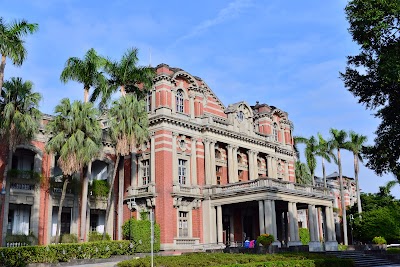
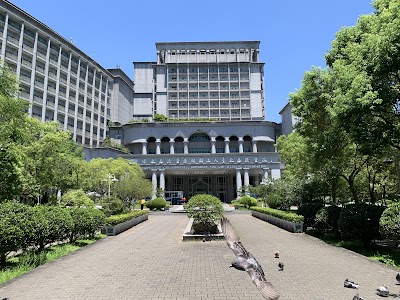
Top cardiology facilities in Taiwan
Compare all 6 providers →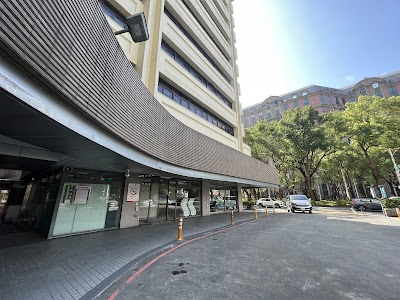
Travel and Stay
Round-trip flight
From JFK
Unavailable
One-night stay
Average price in Taiwan
Average price for one night in Taiwan, shown in US dollars.
Attractions
In Taiwan
Unavailable
Frequently asked questions
When evaluating international options for cardiomyopathy treatment, consider the provider's experience, the facility's accreditation, and the quality of care standards. Research patient reviews and outcomes, and ensure the facility has the necessary technology and expertise for your specific condition.
To ensure safety and quality, look for accredited facilities that meet international healthcare standards. Verify the credentials and experience of the medical team, and inquire about their success rates with cardiomyopathy treatments. It's also beneficial to check for any patient safety protocols in place.
Ask potential providers about their experience with cardiomyopathy treatment, the specific techniques they use, and their success rates. Inquire about the facility's accreditation, post-treatment care, and how they handle complications. Understanding the follow-up process is also crucial.
Recovery time after cardiomyopathy treatment can vary based on the specific procedure and individual health factors, but it generally ranges from a few days to several weeks. Travel can impact recovery, so it's important to plan for adequate rest and follow-up appointments before returning home.
While many patients seek treatment abroad for potential cost savings, prices can vary widely based on the destination and facility. It's important to consider not just the treatment cost but also travel expenses, accommodation, and any follow-up care needed after returning home.
Before traveling to Taiwan for medical care, it's important to plan your itinerary, including accommodations and transportation. Familiarize yourself with local customs and healthcare practices. Many hospitals cater to international patients, offering English-speaking staff and assistance with logistics, which can enhance your experience.
The cost of living in Taiwan is generally lower than in the U.S., particularly in terms of food and transportation. While specific medical costs can vary, many travelers find that daily expenses, such as lodging and meals, are more affordable, allowing for a comfortable stay during their medical journey.
U.S. citizens can enter Taiwan without a visa for stays of up to 90 days for tourism or business purposes. It's advisable to have a valid passport and a return ticket. Always check for the latest entry requirements before your trip, as policies may change.
Yes, many healthcare facilities in Taiwan have English-speaking staff, especially in major cities and hospitals that cater to international patients. This can help ease communication and ensure you receive the information you need during your medical travel experience.
Taiwan offers a variety of transportation options, including an efficient public transit system with trains, buses, and the Taipei Metro. Taxis and ride-sharing services are also widely available. Planning your transportation in advance can help ensure a smooth experience during your stay, especially when attending medical appointments.
Data last updated July 10, 2026. Prices and savings are estimates, not guarantees.