

Treatment destination
Cardiology Care in Mexico
Mexico has 34 cardiology providers listed on CureValue, 10 internationally accredited, with typical prices from $2,500 to $45,000 and average savings of 70% compared with US costs. Top-rated clinics are in Mexico City and Hermosillo.

Key stats: Cardiology in Mexico

91
Cardiology costs in Mexico vs the US
Estimates from providers listed on CureValue. Actual prices vary by provider and case.
| Procedure | Mexico price range | Typical US cost | Average savings |
|---|---|---|---|
| Angioplasty | $7,000 to $15,000 | about $30,000 | 63% |
| Coronary Bypass Surgery | $22,000 to $40,000 | $120,000 to $123,000 | 77% |
| Coronary Artery Bypass Graft (CABG) | $25,000 to $45,000 | about $300,000 | 90% |
| Coronary Artery Bypass Surgery | $24,000 to $35,000 | $80,000 to $150,000 | 70% |
Angioplasty
Coronary Bypass Surgery
Coronary Artery Bypass Graft (CABG)
Coronary Artery Bypass Surgery
Top cardiology facilities in Mexico
Compare all 34 providers →
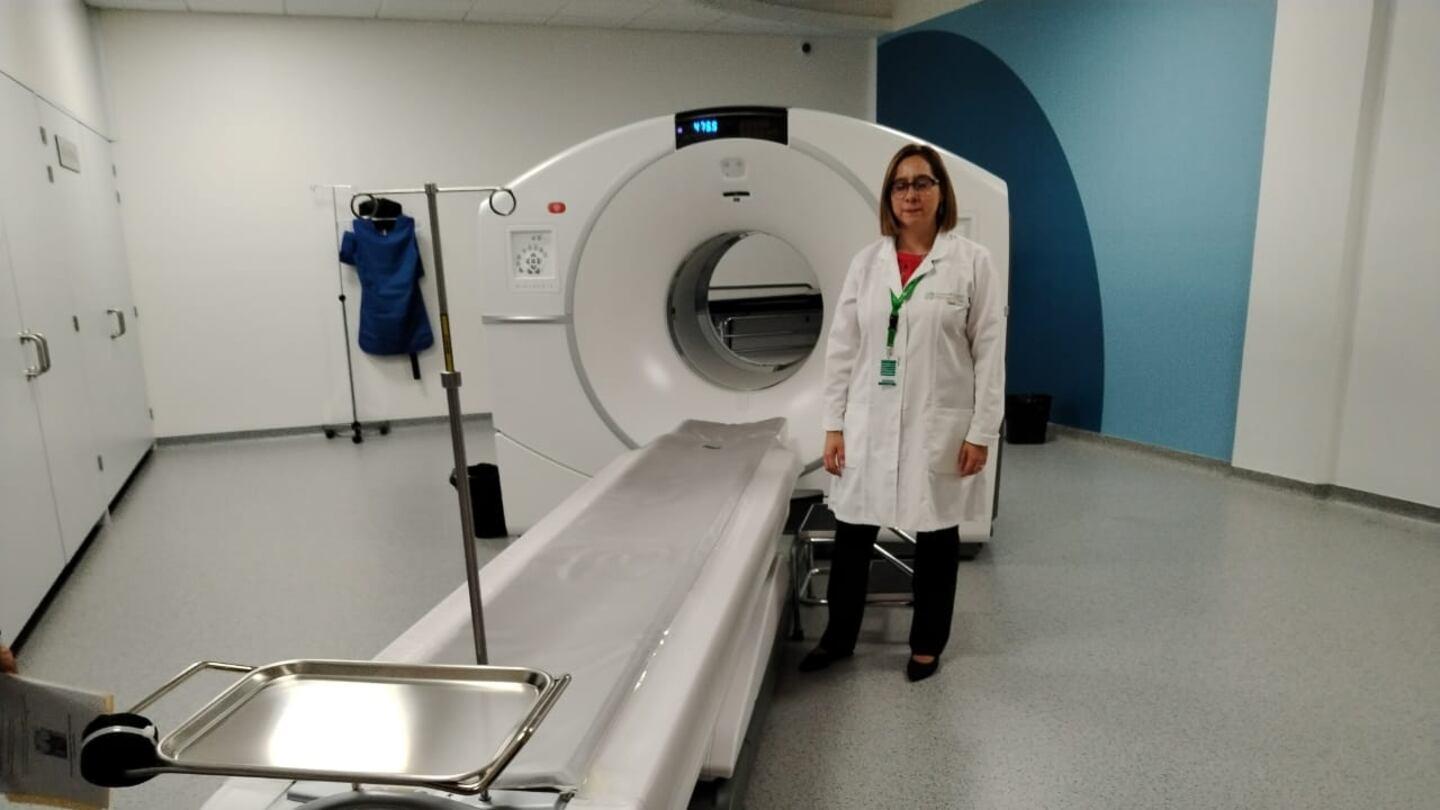
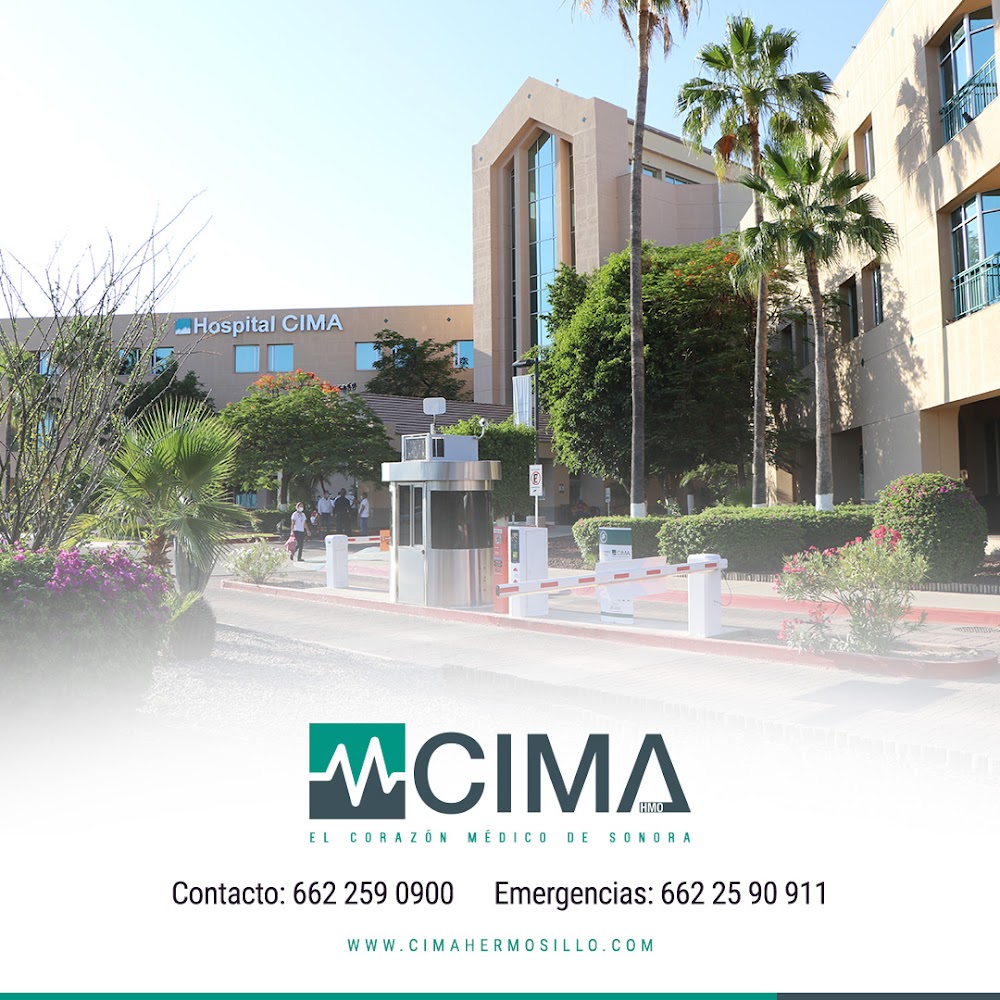
Top cardiology doctors in Mexico


Destination facts
Travel and Stay
Round-trip flight
From JFK
Unavailable
One-night stay
Average price in Mexico
Average price for one night in Mexico, shown in US dollars.
Attractions
In Mexico
Unavailable
Why Americans travel for cardiology care
Cardiology is a branch of medicine that focuses on diagnosing and treating heart and blood vessel conditions, with common reasons for seeking care including chest pain, arrhythmias, heart failure, and preventive care for heart disease. Some Americans may consider traveling abroad for cardiology services due to factors like potentially lower costs, access to specialized treatments, or shorter wait times for procedures. Treatment options can range from diagnostic tests, such as echocardiograms and stress tests, to interventional procedures like angioplasty and stent placement, as well as surgical options like bypass surgery. While receiving cardiology care abroad may offer certain advantages, such as advanced technology or specialized expertise, it is crucial to carefully evaluate the experience and qualifications of healthcare providers, the quality and accreditation of facilities, and the transparency of costs. Patients should also consider how follow-up care will be managed after returning home, as continuity of care is essential for heart health. Before making a decision, it is important to ask key questions about the provider's experience, the specifics of the treatment plan, and how communication will be handled throughout the process.

Atrial Fibrillation Management
Atrial fibrillation (AFib) management, a critical intervention for irregular heart rhythms, aims to restore normal...
Heart Valve Repair or Replacement
Heart valve repair or replacement, a critical surgical intervention for conditions like valvular stenosis,...
Cardiac Catheterization
Cardiac catheterization, a minimally invasive procedure used to diagnose and treat heart conditions, plays a critical...
About Mexico as a care destination
Mexico has become a popular destination for American medical travelers due to its proximity, affordability, and high-quality healthcare services. The country boasts numerous internationally accredited hospitals and clinics, particularly in cities like Tijuana, Cancun, and Guadalajara, where specialized care in areas such as dental work, cosmetic surgery, and orthopedic procedures is readily available. Many healthcare providers in Mexico utilize advanced technology and have experienced specialists, often at a fraction of the cost compared to similar treatments in the United States. Additionally, the ease of access, with many direct flights from U.S. cities, makes Mexico a convenient option for those seeking medical care abroad.
Explore all treatments in Mexico →Frequently asked questions
Many Americans travel to Mexico for Cardiology care due to the significant cost savings. Patients can access high-quality medical services at a fraction of the price compared to the US.
Providers listed on CureValue average about 70 percent savings compared with typical US prices. This allows patients to receive necessary treatments at a more affordable rate.
Common Cardiology procedures in Mexico include Angioplasty with average savings of 63 percent, Coronary Bypass Surgery with 77 percent savings, and Coronary Artery Bypass Graft (CABG) with 90 percent savings. Patients can compare specific options on CureValue.
To choose a good Cardiology provider in Mexico, consider the CureValue Rating, which is an independent vetted rating that goes beyond accreditation. There are 11 internationally accredited providers to consider as well.
CureValue supports secure transfer of medical records between the treating facility and the patient's US doctor. This ensures continuity of care and allows your US doctor to stay informed about your treatment.
When traveling to Mexico for medical care, it's important to plan ahead. Ensure you have all necessary documents, including a valid passport. Familiarize yourself with the local area where you will be receiving care, and consider arranging transportation in advance to make your journey smoother.
The cost of living in Mexico is generally lower than in the U.S., which can make accommodations, food, and transportation more affordable. However, prices can vary significantly depending on the city and region, so it's wise to research specific areas to get a better understanding of potential expenses.
U.S. citizens do not need a visa for stays of 180 days or less in Mexico. However, you must present a valid passport upon entry. It's advisable to keep a copy of your passport and any important documents with you while traveling.
Many healthcare professionals in Mexico, especially in popular medical tourism areas, speak English. This can help facilitate communication during your visit. However, it's beneficial to learn a few basic Spanish phrases to enhance your experience and interactions.
When planning your trip, consider how you will get around, especially if you need to attend follow-up appointments. Many medical travelers opt for private transportation or arrange for a local driver. Additionally, ensure your recovery accommodations are comfortable and conveniently located near your treatment facility.
Data last updated July 10, 2026. Prices and savings are estimates, not guarantees.