

Treatment destination
Heart Failure Treatment Care in South Korea
Heart Failure Treatment in South Korea is listed on CureValue.

Why Americans travel for heart failure treatment care
Heart failure treatment focuses on managing the condition where the heart cannot pump blood effectively, often due to underlying issues like coronary artery disease, high blood pressure, or previous heart attacks. Treatment typically involves a combination of lifestyle changes, medications, and sometimes medical procedures such as implantable devices or heart surgery. Patients may experience symptoms like shortness of breath, fatigue, and fluid retention, prompting the need for treatment. Some Americans consider seeking heart failure treatment abroad due to factors like access to specialized care, potential cost savings, or shorter wait times for procedures. While there may be potential benefits to receiving care in other countries, such as advanced techniques or personalized attention, it is crucial to carefully evaluate the experience of healthcare providers, the quality and accreditation of facilities, and the transparency of costs. Additionally, patients should consider logistics like recovery time, travel requirements, and the availability of follow-up care to ensure a comprehensive approach to their health needs.

Key stats: Heart Failure Treatment in South Korea

88
Top cardiology facilities in South Korea
Compare all 7 providers →
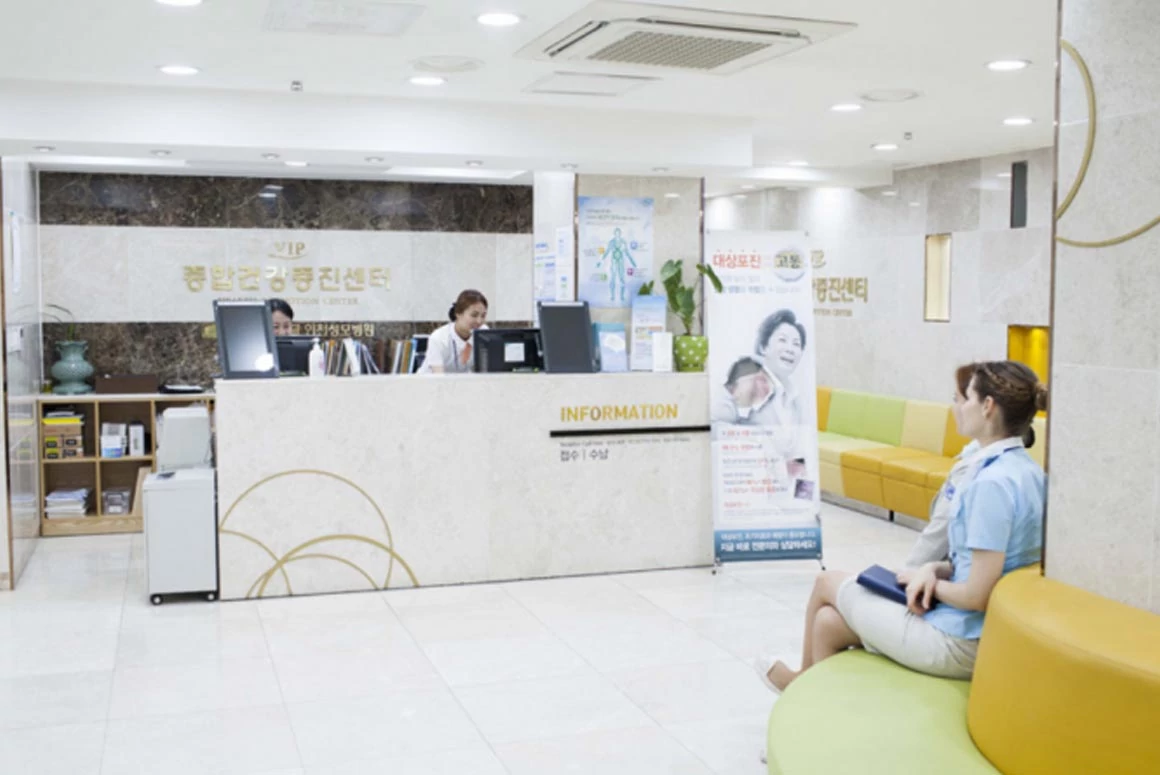
Seoul St. Mary’s Hospital at Kwandong Catholic University
90
Top cardiology doctors in South Korea




Travel and Stay
Round-trip flight
One-night stay
Attractions
Frequently asked questions
When evaluating heart failure treatment options abroad, consider the provider's experience, the facility's accreditation, and the specific technologies and techniques they use. It's also important to research patient reviews and outcomes to ensure quality care.
To compare the quality of heart failure treatment facilities, look for international accreditations, such as those from the Joint Commission International (JCI) or the International Organization for Standardization (ISO). Additionally, consider the hospital's reputation, the qualifications of the medical staff, and the availability of advanced treatment options.
Recovery times for heart failure treatment can vary based on the specific procedure and individual patient factors, but many patients may expect to stay in the hospital for several days followed by a few weeks of recovery. Follow-up care is crucial, so ensure that the provider has a clear plan for post-treatment monitoring and support.
Before choosing a provider for heart failure treatment, ask about their experience with the specific procedure, the hospital's accreditation status, and the types of technologies they use. Inquire about the expected recovery process, follow-up care, and how they handle complications or emergencies.
While many patients seek heart failure treatment abroad for potential cost savings, prices can vary widely based on the destination and facility. It's important to obtain detailed quotes and understand what is included in the cost, as well as any additional expenses for travel and accommodations.
When planning your trip to South Korea for medical care, it's important to research the healthcare facilities and understand the logistics of your stay. Many hospitals cater to international patients, offering services in English and assistance with travel arrangements. Additionally, familiarize yourself with local customs and transportation options to ensure a smooth experience.
The cost of living in South Korea can vary significantly depending on the city and lifestyle. Generally, accommodations, food, and transportation can be more affordable than in many U.S. cities. However, it's wise to budget according to your personal preferences and needs, as prices can fluctuate.
U.S. citizens traveling to South Korea for short stays, including medical travel, typically do not need a visa for visits of up to 90 days. However, it's essential to have a valid passport and check for any updates on entry requirements before your trip. Always verify the latest information from official sources.
English is commonly spoken in major cities and tourist areas in South Korea, particularly in healthcare settings that cater to international patients. Many medical professionals are proficient in English, which can help ease communication during your visit. However, learning a few basic Korean phrases can enhance your experience.
South Korea has an efficient public transportation system, including subways, buses, and taxis, making it easy to navigate cities. For medical travelers, many hospitals offer shuttle services or assistance with transportation arrangements. It's advisable to download local transportation apps to help plan your journeys.
Data last updated July 10, 2026. Prices and savings are estimates, not guarantees.