

Treatment destination
Mitral regurgitation treatment Care in Russia
Mitral regurgitation treatment in Russia is listed on CureValue.

Why Americans travel for mitral regurgitation treatment care
Mitral regurgitation treatment involves addressing a condition where the heart's mitral valve does not close properly, leading to blood leaking backward into the heart. This treatment may be recommended for individuals experiencing symptoms such as shortness of breath, fatigue, or heart palpitations, often due to underlying issues like valve degeneration or heart disease. Common procedures include mitral valve repair or replacement, which can be performed through traditional open-heart surgery or minimally invasive techniques. Americans may consider seeking this treatment abroad for reasons such as shorter wait times, potential cost savings, or access to specialized care not readily available in the U.S. While there may be potential benefits to receiving care internationally, such as advanced techniques or personalized attention, it is crucial to evaluate factors like the provider's experience, the quality and accreditation of the facility, cost transparency, recovery time, travel logistics, and the availability of follow-up care. Thorough research and careful consideration of these elements can help patients make informed decisions about their treatment options.

Key stats: Mitral regurgitation treatment in Russia

85
Top cardiology facilities in Russia
Compare all 3 providers →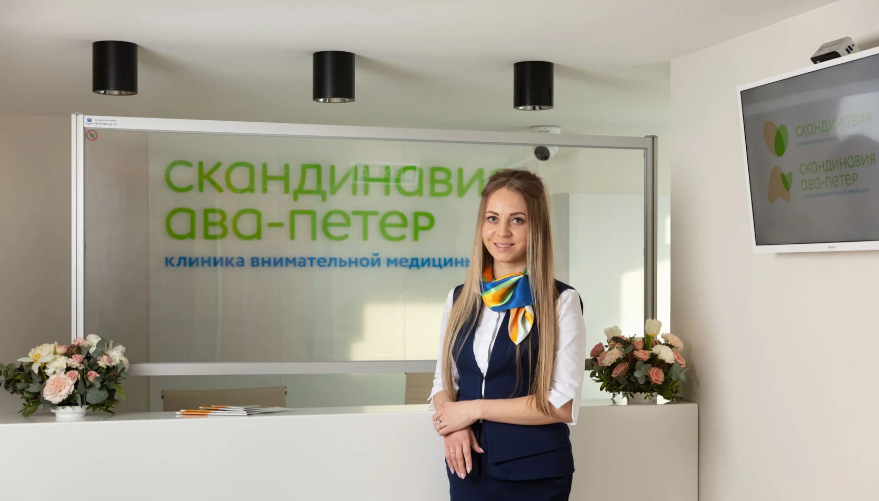


Travel and Stay
Round-trip flight
From JFK
Unavailable
One-night stay
Average price in Russia
Average price for one night in Russia, shown in US dollars.
Attractions
In Russia
Unavailable
Frequently asked questions
When evaluating international options for Mitral Regurgitation Treatment, consider the provider's experience, the facility's accreditation, and the quality of care standards. Research patient reviews and outcomes, and ensure the facility has the necessary technology and expertise for your specific condition.
To ensure safety and quality of care for Mitral Regurgitation Treatment abroad, look for facilities that are accredited by recognized international organizations. Verify the credentials and experience of the medical team, and inquire about their track record with similar procedures.
Recovery time after Mitral Regurgitation Treatment can vary, but many patients may need to stay in the destination for a few days to a couple of weeks for monitoring and follow-up care. It's important to plan your travel accordingly, allowing for adequate recovery before returning home.
When considering providers for Mitral Regurgitation Treatment abroad, ask about their experience with the procedure, the number of similar surgeries performed, and the facility's accreditation status. Additionally, inquire about post-operative care and follow-up protocols to ensure comprehensive support.
While many patients seek Mitral Regurgitation Treatment abroad for potential cost savings, prices can vary widely based on the destination and facility. It's essential to obtain detailed quotes and understand what is included in the cost, as well as any additional expenses for travel and accommodation.
When planning a trip to Russia for medical care, it's important to research the healthcare facilities and understand the local culture. Ensure you have all necessary travel documents, including a valid passport and visa. Familiarizing yourself with local customs and basic Russian phrases can enhance your experience.
The cost of living in Russia can be significantly lower than in the U.S., particularly in terms of lodging and food. However, prices can vary widely depending on the city and neighborhood. It's advisable to budget accordingly and explore various accommodation options to find what suits your needs.
U.S. citizens traveling to Russia typically need a visa, which must be obtained before arrival. It's important to apply for the appropriate visa type based on your purpose of travel. Be sure to check the latest entry requirements and processing times to ensure a smooth journey.
While Russian is the official language, English is increasingly spoken in major cities and healthcare facilities, especially among medical professionals. However, it's beneficial to learn a few basic Russian phrases or consider bringing a translation app to facilitate communication during your visit.
When traveling in Russia, familiarize yourself with local transportation options, such as public transit and taxis, to navigate efficiently. For recovery, consider the proximity of your accommodation to the medical facility and any necessary follow-up appointments. Planning your itinerary with rest periods can help ensure a comfortable recovery experience.
Data last updated July 10, 2026. Prices and savings are estimates, not guarantees.