

Treatment destination
Pacemaker implantation Care in Hungary
Pacemaker implantation in Hungary typically costs about $12,000 on CureValue-listed providers, about 60 percent less than typical US prices.

Why Americans travel for pacemaker implantation care
Pacemaker implantation is a medical procedure where a small device is placed under the skin of the chest to help regulate the heartbeat, typically recommended for individuals with conditions such as bradycardia (slow heart rate) or certain types of heart block that can cause symptoms like fatigue, dizziness, or fainting. The procedure usually involves making a small incision to insert the pacemaker leads into the heart, which are then connected to a pulse generator placed under the skin. Some Americans may consider seeking this treatment abroad due to factors like shorter wait times, potential cost savings, or greater availability of specialized care. While there may be potential benefits to receiving care in another country, such as access to experienced providers or advanced technology, it is crucial to thoroughly evaluate the qualifications of the healthcare facility, including its accreditation, the experience of the medical team, and the transparency of costs. Additionally, patients should consider logistics such as recovery time, travel requirements, and the availability of follow-up care after returning home to ensure a safe and effective treatment experience.

Key stats: Pacemaker implantation in Hungary

90
Pacemaker implantation costs in Hungary vs the US
Estimates from providers listed on CureValue. Actual prices vary by provider and case.
| Procedure | Hungary price range | Typical US cost | Average savings |
|---|---|---|---|
| Pacemaker Implantation | about $12,000 | about $30,000 | 60% |
Pacemaker Implantation
Top cardiology facilities in Hungary
Compare all 7 providers →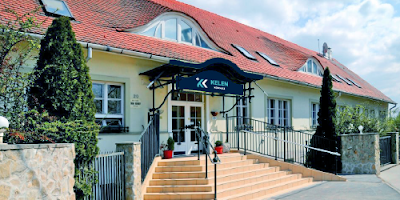


Travel and Stay
Round-trip flight
From JFK
Unavailable
One-night stay
Average price in Hungary
Average price for one night in Hungary, shown in US dollars.
Attractions
In Hungary
Unavailable
Frequently asked questions
When evaluating international options for Pacemaker Implantation, consider the provider's experience, the facility's accreditation, and the standards of care. Research the hospital's reputation, read patient reviews, and ensure that the medical team is qualified and experienced in performing this specific procedure.
To ensure safety and quality of care for Pacemaker Implantation abroad, look for facilities that are accredited by recognized international organizations. Additionally, verify that the medical staff has relevant certifications and experience in cardiac procedures, and inquire about the hospital's infection control practices.
Recovery time after Pacemaker Implantation typically ranges from a few days to a couple of weeks, depending on individual health factors. Patients should plan for a follow-up appointment with their provider, which may require additional travel. It's important to discuss recovery expectations with the medical team before making travel arrangements.
Before choosing an international provider for Pacemaker Implantation, ask about their experience with the procedure, the types of pacemakers they use, and their post-operative care protocols. Additionally, inquire about the facility's accreditation, the availability of emergency services, and how they handle complications if they arise.
While costs for Pacemaker Implantation abroad can vary widely, they may be lower than those in the U.S. However, it's essential to consider not just the price but also the quality of care and the experience of the provider. Always request a detailed breakdown of costs and understand what is included in the price before making a decision.
When planning your trip to Hungary for medical care, it's important to research your healthcare options and understand the logistics of your stay. Many Americans find Hungary appealing due to its well-established healthcare infrastructure and the availability of English-speaking medical professionals. Additionally, consider your accommodation and transportation needs to ensure a smooth recovery process.
U.S. citizens can enter Hungary for short stays of up to 90 days without a visa for tourism or medical purposes. However, it's advisable to have a valid passport and to check for any updates on entry requirements before your trip. Always ensure your travel documents are in order to avoid any complications.
English is widely spoken in Hungary, particularly in urban areas and among healthcare professionals. Many hospitals and clinics catering to international patients have staff who are fluent in English, making communication easier for American travelers. It's still a good idea to learn a few basic Hungarian phrases to enhance your experience.
Hungary generally has a lower cost of living compared to the United States, which can be beneficial for medical travelers. While prices for lodging, food, and transportation can vary, many Americans find that their expenses are more manageable in Hungary. However, it's important to budget according to your specific needs and preferences.
Getting around Hungary is relatively easy, with a well-developed public transportation system that includes buses, trams, and metro services, especially in cities like Budapest. Taxis and rideshare services are also available. Planning your transportation in advance can help ensure you have a smooth experience while attending appointments and recovering.
Data last updated July 10, 2026. Prices and savings are estimates, not guarantees.