

Treatment destination
Thrombolytic therapy Care in Philippines
Thrombolytic therapy in Philippines is listed on CureValue.

Why Americans travel for thrombolytic therapy care
Thrombolytic therapy is a medical treatment that involves the use of medications to dissolve blood clots that can block blood vessels, which is often critical in conditions such as heart attacks, strokes, or severe pulmonary embolisms. The therapy typically involves administering these clot-dissolving drugs intravenously or directly into the affected area, depending on the specific situation. Patients may consider seeking thrombolytic therapy abroad for various reasons, including shorter wait times, availability of specialized care, or potentially lower costs. However, it is essential to carefully evaluate the experience of the healthcare providers, the quality and accreditation of the facilities, and the transparency of costs before making a decision. Additionally, patients should consider the logistics of travel, recovery time, and the availability of follow-up care after the treatment. While some may find benefits in accessing this therapy internationally, it is crucial to approach such decisions with thorough research and consideration of all factors involved.

Key stats: Thrombolytic therapy in Philippines

89
Top cardiology facilities in Philippines
Compare all 5 providers →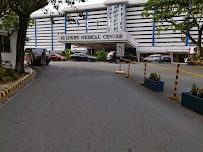

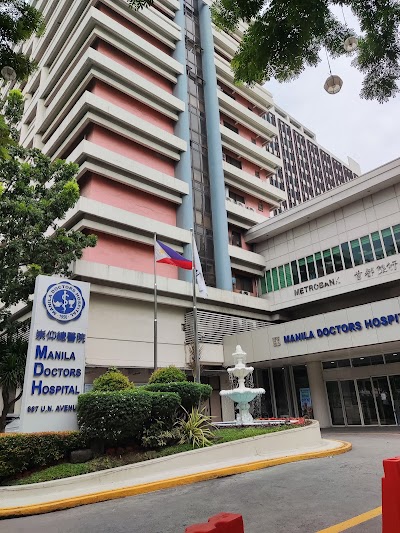
Travel and Stay
Round-trip flight
From JFK
Unavailable
One-night stay
Average price in Philippines
Average price for one night in Philippines, shown in US dollars.
Attractions
In Philippines
Unavailable
Frequently asked questions
Safety is a top priority when seeking thrombolytic therapy internationally. It's essential to research the facility's accreditation, the experience of the medical team, and the protocols they follow for patient care. Look for hospitals that meet international standards and have a good track record in performing this specific procedure.
When comparing providers for thrombolytic therapy, consider factors such as the facility's accreditation, the qualifications and experience of the healthcare professionals, and patient reviews. It's also helpful to inquire about the specific technologies and techniques they use, as well as their post-treatment care protocols.
Recovery time after thrombolytic therapy can vary based on individual health conditions and the complexity of the procedure. Generally, patients may need to stay close to the treatment facility for a few days to monitor their recovery. It's important to plan for follow-up appointments and ensure you have adequate time for recovery before traveling back home.
Before choosing an international provider for thrombolytic therapy, ask about their experience with the procedure, the number of similar cases they handle annually, and their success rates. Additionally, inquire about the facility's accreditation, the availability of emergency care, and the specifics of post-treatment follow-up.
While many patients seek thrombolytic therapy abroad for potential cost savings, prices can vary widely based on the provider and location. It's important to obtain detailed quotes that include all associated costs, such as hospital fees, physician charges, and follow-up care, to make an informed comparison with U.S. treatment options.
When traveling to the Philippines for medical care, it's important to plan ahead. Ensure you have a valid passport and check the latest visa requirements for U.S. citizens. Familiarize yourself with local customs and healthcare facilities, and consider arranging transportation in advance to make your journey smoother.
The cost of living in the Philippines is generally lower than in the U.S., which can make accommodations, food, and transportation more affordable. However, prices can vary significantly depending on the location and type of services you choose, so it's wise to budget accordingly and research options in advance.
Yes, English is widely spoken in the Philippines, particularly in urban areas and healthcare settings. Most medical professionals are fluent in English, which can help facilitate communication and ensure you understand your care options while you are there.
The Philippines has a growing healthcare infrastructure that caters to international patients, with many hospitals and clinics offering modern facilities and services. Many healthcare providers are experienced in treating foreign patients and often have staff who can assist with language and logistical needs.
When planning your trip, consider how you will get around the Philippines, as transportation options vary by region. It's advisable to arrange for airport transfers and local transportation in advance. Additionally, plan for your recovery by choosing accommodations that are comfortable and conveniently located near your healthcare facility.
Data last updated July 10, 2026. Prices and savings are estimates, not guarantees.