

Treatment destination
Chronic pain management Care in Dominican Republic
Chronic pain management in Dominican Republic is listed on CureValue.

Why Americans travel for chronic pain management care
Chronic pain management refers to a range of treatments aimed at alleviating persistent pain that lasts for months or longer, often resulting from conditions such as arthritis, fibromyalgia, or nerve damage. Treatment typically involves a combination of medications, physical therapy, psychological support, and sometimes interventional procedures like nerve blocks or injections. Patients may consider seeking chronic pain management abroad for various reasons, including shorter wait times, potential cost savings, or access to specialized care not readily available in the U.S. While some patients report positive experiences with care received overseas, it is important to carefully evaluate factors such as the provider's experience, the quality and accreditation of the facility, cost transparency, and the logistics of travel and follow-up care. Understanding these elements can help patients make informed decisions about their chronic pain management options, whether at home or abroad.

Key stats: Chronic pain management in Dominican Republic

89
Top chronic diseases facilities in Dominican Republic
Compare all 1 provider →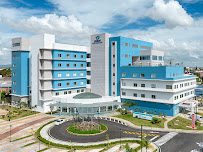
Travel and Stay
Round-trip flight
From JFK
Unavailable
One-night stay
Average price in Dominican Republic
Average price for one night in Dominican Republic, shown in US dollars.
Attractions
In Dominican Republic
Unavailable
Frequently asked questions
When evaluating options for chronic pain management abroad, consider the provider's experience, facility accreditation, and patient reviews. It's also important to assess the specific treatments offered and how they align with your needs. Researching the healthcare system in the destination can provide insights into the quality of care you can expect.
To ensure safety and quality, look for facilities that are accredited by recognized international organizations. Verify the credentials and experience of the healthcare providers, and seek out testimonials from previous patients. Additionally, inquire about the protocols in place for patient safety and post-treatment care.
Key questions to ask include the provider's experience with your specific condition, the types of treatments they offer, and their success rates. Additionally, inquire about the facility's accreditation, the recovery process, and what follow-up care will be available after your treatment.
Recovery time for chronic pain management treatments can vary widely depending on the specific procedure and individual patient factors. It's important to discuss expected recovery timelines with your provider, as this will influence your travel plans, including how long you may need to stay in the destination for follow-up care.
While many patients seek chronic pain management abroad for potential cost savings, prices can vary significantly based on the destination and specific treatment. It's essential to obtain detailed quotes and understand what is included in the cost, such as pre-operative assessments and post-operative care, to make an informed comparison.
When planning your trip to the Dominican Republic for medical care, it's important to research your destination, understand the local healthcare infrastructure, and ensure you have all necessary travel documents. Many Americans find the country to be a welcoming place with a variety of healthcare options. Additionally, consider arranging transportation and accommodations in advance to make your recovery as smooth as possible.
U.S. citizens traveling to the Dominican Republic typically need a valid passport and may be required to fill out a tourist card upon arrival. It's advisable to check for any updates on entry requirements before your trip, as regulations can change. Ensure your passport is valid for at least six months beyond your planned departure date.
The cost of living in the Dominican Republic is generally lower than in the U.S., which can make accommodations, food, and transportation more affordable. However, prices can vary depending on the area and the type of services you choose. It's a good idea to budget accordingly and research local options to find what best fits your needs.
While Spanish is the official language of the Dominican Republic, many healthcare professionals, especially in larger cities and tourist areas, speak English. This can help facilitate communication during your medical travel experience. However, it may be beneficial to learn a few basic Spanish phrases to enhance your interactions.
The Dominican Republic offers various transportation options, including taxis, ride-sharing services, and public buses. For medical travelers, arranging transportation in advance can be helpful, especially for getting to and from appointments. Many hotels and clinics can assist with transportation logistics to ensure a comfortable experience during your stay.
Data last updated July 10, 2026. Prices and savings are estimates, not guarantees.