

Treatment destination
Stroke rehabilitation Care in Mexico
Stroke rehabilitation in Mexico is listed on CureValue.

Why Americans travel for stroke rehabilitation care
Stroke rehabilitation is a specialized form of therapy aimed at helping individuals recover from the effects of a stroke, which can include physical, speech, and cognitive impairments. This rehabilitation typically involves a combination of physical therapy to improve movement and strength, occupational therapy to assist with daily activities, and speech therapy to address communication challenges. It is often recommended for patients who have experienced a stroke and are facing difficulties such as weakness on one side of the body, trouble speaking, or challenges with memory and thinking. Patients may consider seeking stroke rehabilitation abroad for various practical reasons, including shorter wait times, availability of specific therapies, or potentially lower costs. While there may be potential benefits to receiving care in another country, such as access to different rehabilitation techniques or personalized programs, it is crucial to carefully evaluate factors like the experience of healthcare providers, the quality and accreditation of facilities, transparency in costs, and the logistics of travel and follow-up care. Understanding these elements can help patients make informed decisions about their rehabilitation options, whether at home or abroad.

Key stats: Stroke rehabilitation in Mexico

92
Top chronic diseases facilities in Mexico
Compare all 4 providers →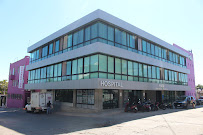

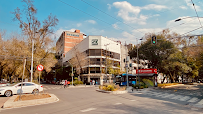
Centro Hospitalario Sanatorio Durango
92
Travel and Stay
Round-trip flight
From JFK
Unavailable
One-night stay
Average price in Mexico
Average price for one night in Mexico, shown in US dollars.
Attractions
In Mexico
Unavailable
Frequently asked questions
When evaluating stroke rehabilitation options internationally, consider the provider's experience, facility accreditation, and the specific rehabilitation techniques they offer. It's also important to assess the overall healthcare standards in the destination and the availability of follow-up care after your treatment.
To compare the quality of stroke rehabilitation facilities, look for accreditation from recognized international health organizations, read patient reviews, and inquire about the qualifications of the rehabilitation staff. Additionally, consider the facility's success rates and the types of rehabilitation programs they offer.
When assessing safety measures in stroke rehabilitation centers, check for compliance with international health standards, availability of emergency medical services, and the cleanliness of the facility. It's also beneficial to confirm that the center has protocols in place for managing complications that may arise during rehabilitation.
The duration of stroke rehabilitation can vary widely based on individual needs, but it often lasts several weeks to months. Travel can impact this timeline, as you may need to account for initial assessments, treatment sessions, and follow-up care, which could extend your stay abroad.
When selecting a provider for stroke rehabilitation, ask about their experience with stroke patients, the types of therapies they offer, and their approach to personalized care. Additionally, inquire about the facility's accreditation, the qualifications of the rehabilitation team, and the availability of post-treatment support.
When traveling to Mexico for medical care, it's important to plan ahead. Ensure you have all necessary documents, including a valid passport. Familiarize yourself with the local area where you will be receiving care, and consider arranging transportation in advance to make your journey smoother.
The cost of living in Mexico is generally lower than in the U.S., which can make accommodations, food, and transportation more affordable. However, prices can vary significantly depending on the city and region, so it's wise to research specific areas to get a better understanding of potential expenses.
U.S. citizens do not need a visa for stays of 180 days or less in Mexico. However, you must present a valid passport upon entry. It's advisable to keep a copy of your passport and any important documents with you while traveling.
Many healthcare professionals in Mexico, especially in popular medical tourism areas, speak English. This can help facilitate communication during your visit. However, it's beneficial to learn a few basic Spanish phrases to enhance your experience and interactions.
When planning your trip, consider how you will get around, especially if you need to attend follow-up appointments. Many medical travelers opt for private transportation or arrange for a local driver. Additionally, ensure your recovery accommodations are comfortable and conveniently located near your treatment facility.
Data last updated July 10, 2026. Prices and savings are estimates, not guarantees.