

Treatment destination
Cosmetic Surgery Care in Brazil
Brazil has 2 cosmetic surgery providers listed on CureValue, with typical prices from $3,500 to $4,500 and average savings of 42% compared with US costs. Top-rated clinics are in Salvador and Sorocaba.

Why Americans travel for cosmetic surgery care
Anti-aging treatments encompass a variety of procedures aimed at reducing the visible signs of aging, such as wrinkles, fine lines, and skin laxity, and may include options like Botox injections, dermal fillers, chemical peels, and laser therapy. These treatments are often recommended for individuals looking to improve their skin's appearance and texture, and they can be tailored to address specific concerns like sun damage or loss of volume. Many Americans consider seeking these treatments abroad due to factors such as potentially lower costs, shorter wait times, and access to specialized techniques not widely available in the U.S. While some patients report satisfaction with their experiences overseas, it is crucial to carefully evaluate the qualifications of providers, the quality and accreditation of facilities, and the transparency of costs before proceeding. Additionally, patients should consider recovery times, travel logistics, and the availability of follow-up care, as these factors can significantly impact the overall experience and outcomes of anti-aging treatments.

Key stats: Cosmetic Surgery in Brazil

90
Cosmetic Surgery costs in Brazil vs the US
Estimates from providers listed on CureValue. Actual prices vary by provider and case.
| Procedure | Brazil price range | Typical US cost | Average savings |
|---|---|---|---|
| Breast Augmentation | $3,500 to $4,000 | about $6,500 | 44% |
| Rhinoplasty | about $4,000 | about $7,500 | 47% |
| Liposuction | about $4,500 | about $6,000 | 25% |
Breast Augmentation
Rhinoplasty
Liposuction
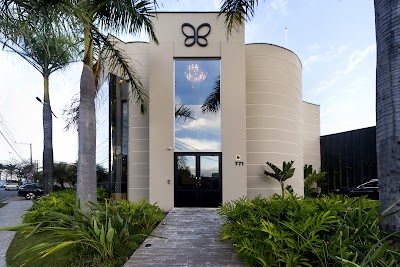
Top cosmetic surgery facilities in Brazil
Compare all 2 providers →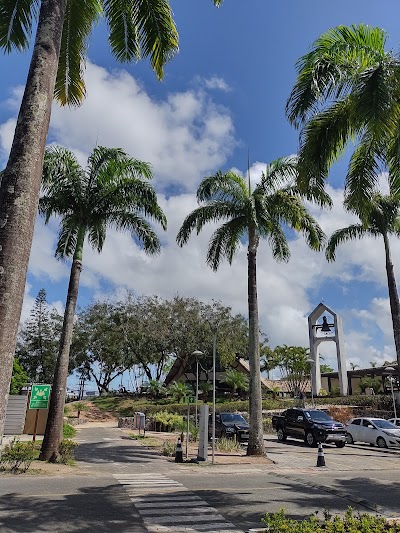
Travel and Stay
Round-trip flight
From JFK
Unavailable
One-night stay
Average price in Brazil
Average price for one night in Brazil, shown in US dollars.
Attractions
In Brazil
Unavailable
Frequently asked questions
When considering anti-aging treatments abroad, it's important to research the provider's qualifications, the facility's accreditation, and the specific treatments offered. Look for reviews from previous patients and ensure that the clinic adheres to international safety standards.
To compare destinations for anti-aging treatments, consider factors such as the reputation of the clinics, the experience of the medical staff, and the types of treatments available. Additionally, look into patient testimonials and the overall healthcare infrastructure in each location.
When seeking anti-aging treatments, ensure that the facility is accredited by recognized international bodies and that the providers have relevant certifications. It's also important to inquire about the use of FDA-approved products and the clinic's adherence to hygiene and safety protocols.
Recovery times for anti-aging treatments can vary depending on the procedure. Generally, patients may experience some swelling or redness, which typically resolves within a few days. It's advisable to discuss follow-up care with your provider, including any necessary check-ups or additional treatments.
Before selecting a provider for anti-aging treatments, ask about their experience with the specific procedure, the types of products they use, and their approach to patient care. Additionally, inquire about the facility's accreditation and what post-treatment support is available.
When planning a trip to Brazil for medical care, it's important to research the healthcare facilities and understand the logistics of your travel. Many cities, such as São Paulo and Rio de Janeiro, have well-established healthcare systems catering to international patients. Ensure you have a valid passport and consider travel insurance that covers medical expenses abroad.
U.S. citizens traveling to Brazil for medical purposes typically do not need a visa for stays of up to 90 days. However, it's advisable to check the latest entry requirements before your trip, as regulations can change. Ensure your passport is valid for at least six months beyond your planned departure date.
The cost of living in Brazil can be lower than in the U.S., particularly in terms of lodging, food, and transportation. However, prices can vary significantly depending on the city and neighborhood. It's wise to budget accordingly and research local costs to ensure a comfortable stay during your medical travel.
While Portuguese is the official language of Brazil, many healthcare professionals in major cities, especially those catering to international patients, speak English. It's helpful to learn a few basic Portuguese phrases, but you can generally find English-speaking staff in hospitals and clinics.
When traveling to Brazil for medical care, consider how you will get around, especially post-treatment. Many cities have reliable public transportation, but you may also want to arrange for private transportation for convenience. Plan for a comfortable recovery space, and ensure you have access to necessary follow-up care and support during your stay.
Data last updated July 10, 2026. Prices and savings are estimates, not guarantees.