

Treatment destination
Breast augmentation Care in Spain
Breast augmentation in Spain typically costs $4,000 to $5,500 on CureValue-listed providers, about 32 percent less than typical US prices.

Why Americans travel for breast augmentation care
Breast augmentation is a surgical procedure aimed at enhancing the size and shape of a person's breasts, typically involving the placement of implants filled with saline or silicone. This procedure may be recommended for various reasons, including to increase breast volume after weight loss or pregnancy, to improve breast symmetry, or to reconstruct breasts after surgery for cancer. Common techniques include placing implants either under the breast tissue or beneath the chest muscle, and options vary based on implant type and placement method. Americans may consider seeking breast augmentation abroad for reasons such as potentially lower costs, shorter wait times, or access to specific techniques not readily available in the U.S. While some patients report satisfaction with their experiences overseas, it is crucial to carefully evaluate factors such as the surgeon's experience, the quality and accreditation of the facility, cost transparency, recovery time, and the logistics of travel and follow-up care. Understanding these elements can help patients make informed decisions about whether to pursue breast augmentation outside the United States.

Key stats: Breast augmentation in Spain

90
Breast augmentation costs in Spain vs the US
Estimates from providers listed on CureValue. Actual prices vary by provider and case.
| Procedure | Spain price range | Typical US cost | Average savings |
|---|---|---|---|
| Breast Augmentation | $4,000 to $5,500 | about $6,500 | 32% |
Breast Augmentation
Top cosmetic surgery facilities in Spain
Compare all 116 providers →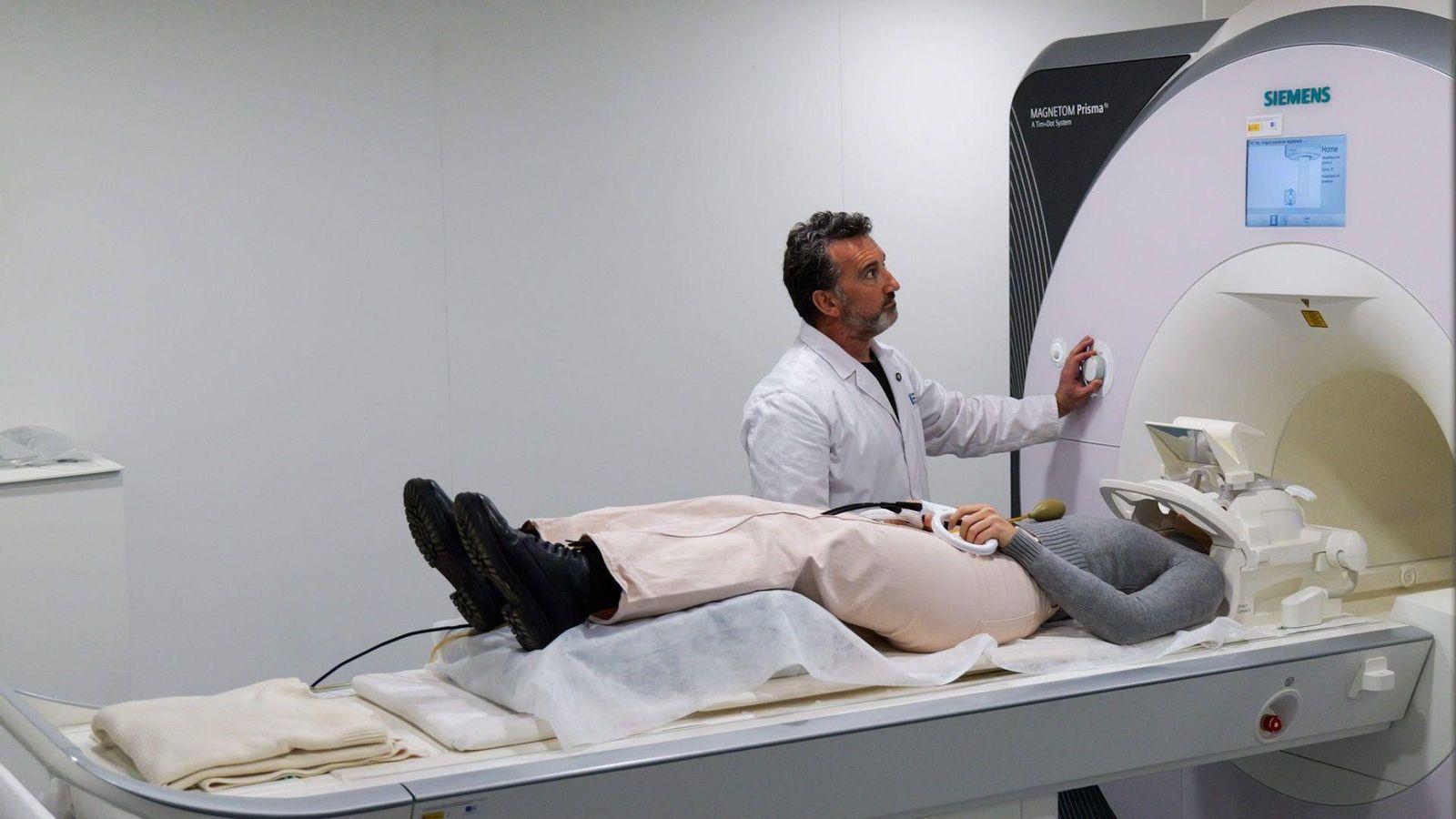
Hospital Universitario Fundación Jiménez Díaz
96
Travel and Stay
Round-trip flight
One-night stay
Attractions
Frequently asked questions
When evaluating facilities for breast augmentation, consider the accreditation of the hospital, the experience and qualifications of the surgeons, and the standards of care provided. Look for facilities that are certified by recognized international health organizations, as this can indicate a commitment to quality and safety.
To ensure safety, research the surgeon's credentials, read patient reviews, and verify the facility's accreditation. It's also important to discuss your medical history and any concerns with the provider before the procedure to ensure they can accommodate your needs safely.
Recovery time for breast augmentation typically ranges from a few days to a couple of weeks, depending on individual factors and the surgical technique used. Patients should plan to stay in the destination for at least a week post-surgery for initial recovery and follow-up appointments before traveling back home.
Before choosing a provider for breast augmentation, ask about their experience with the procedure, the types of implants they use, and their approach to post-operative care. Additionally, inquire about the facility's accreditation and what measures are in place for patient safety.
While many patients seek breast augmentation abroad for potential cost savings, prices can vary widely based on the destination, provider, and specific services included. It's important to consider not just the upfront cost but also the quality of care and any additional expenses such as travel and accommodation.
Before traveling to Spain for medical care, it's important to plan your itinerary, including accommodations and transportation. Familiarize yourself with the local healthcare system and ensure you have all necessary documentation, such as medical records and travel insurance. Many Americans find that the welcoming culture and beautiful surroundings enhance their recovery experience.
Spain generally offers a lower cost of living compared to many areas in the U.S., particularly in terms of lodging, food, and transportation. While prices can vary by region, many American medical travelers find that they can enjoy a comfortable stay without overspending. It's advisable to budget according to your specific needs and preferences.
U.S. citizens can enter Spain for tourism or medical travel without a visa for stays of up to 90 days. However, it's essential to have a valid passport and ensure it remains valid for the duration of your stay. Always check for any updates on entry requirements before your trip.
In many tourist areas and healthcare settings, English is commonly spoken, especially among staff who cater to international patients. However, it's helpful to learn a few basic Spanish phrases to enhance your experience and communication. This can also help you feel more comfortable while navigating the local culture.
Spain has a well-developed transportation system, including trains, buses, and taxis, making it easy to get around. Many cities also offer bike rentals and walking paths. Planning your transportation in advance can help ensure a smooth experience, especially when attending medical appointments or exploring the area during recovery.
Data last updated July 10, 2026. Prices and savings are estimates, not guarantees.