

Treatment destination
Fat grafting Care in Lebanon
Fat grafting in Lebanon is listed on CureValue.

Why Americans travel for fat grafting care
Fat grafting, also known as fat transfer, is a surgical procedure that involves harvesting fat from one part of the body, usually through liposuction, and injecting it into another area to restore volume or improve contour. This technique is often recommended for patients looking to enhance facial features, such as cheeks or lips, or to fill in areas that have lost volume due to aging or weight loss. The procedure typically requires local or general anesthesia and may involve multiple sessions to achieve desired results. Americans may consider seeking fat grafting abroad for various reasons, including shorter wait times, potential cost savings, or access to specialized techniques not widely available in the U.S. While some patients report satisfaction with their results from overseas procedures, it is crucial to carefully evaluate the experience of the provider, the quality and accreditation of the facility, and the transparency of costs. Additionally, patients should consider recovery time, travel logistics, and the availability of follow-up care when making their decision.

Key stats: Fat grafting in Lebanon

78
Top cosmetic surgery facilities in Lebanon
Compare all 1 provider →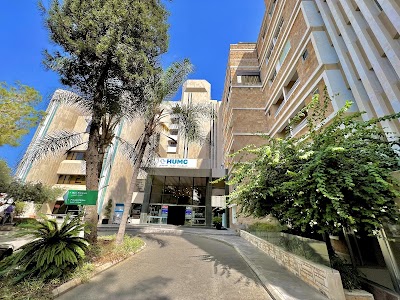
Travel and Stay
Round-trip flight
From JFK
Unavailable
One-night stay
Average price in Lebanon
Average price for one night in Lebanon, shown in US dollars.
Attractions
In Lebanon
Unavailable
Frequently asked questions
When evaluating clinics for fat grafting, consider the provider's experience, the facility's accreditation, and the standards of care they follow. Look for reviews from previous patients and inquire about the specific techniques used in the procedure to ensure they align with your expectations.
The recovery process for fat grafting is generally similar regardless of location, but it’s important to consider follow-up care. Ensure that the clinic provides clear post-operative instructions and that you have access to follow-up consultations, either in-person or virtually, after returning home.
Look for providers who operate in accredited facilities that adhere to international safety standards. Additionally, inquire about the use of sterile techniques, the qualifications of the surgical team, and the availability of emergency care should complications arise.
When comparing costs for fat grafting, consider not just the procedure fee but also travel expenses, accommodation, and potential follow-up care. While many patients seek lower costs abroad, it's essential to evaluate the overall value, including the quality of care and provider experience.
Before choosing a provider for fat grafting, ask about their experience with the procedure, the techniques they use, and their complication rates. Additionally, inquire about the facility's accreditation, the type of anesthesia used, and what post-operative care is included in the package.
When planning your trip to Lebanon for medical care, it's important to research the healthcare facilities available and understand the logistics of your stay. Many hospitals cater to international patients and offer services in English. Additionally, consider arranging transportation in advance to ensure smooth travel to and from your appointments.
U.S. citizens traveling to Lebanon typically need a valid passport and may require a visa, which can often be obtained upon arrival for short stays. It's advisable to check the latest entry requirements before your trip, as regulations can change. Ensure your passport is valid for at least six months beyond your planned departure date.
The cost of living in Lebanon can be significantly lower than in the U.S., particularly in terms of lodging, food, and transportation. However, prices can vary widely depending on the area and your personal preferences. It's a good idea to budget accordingly and explore local options for accommodations and meals to make the most of your stay.
Yes, English is widely spoken in Lebanon, particularly in urban areas and among healthcare professionals. Many hospitals and clinics that cater to international patients have staff who are fluent in English, making communication easier for American travelers seeking medical care.
When planning for recovery in Lebanon, consider your accommodation's proximity to your healthcare facility and the availability of transportation. Many patients choose to stay in comfortable hotels or serviced apartments that offer amenities for recovery. It's also wise to have a plan for follow-up care and any necessary medications during your stay.
Data last updated July 10, 2026. Prices and savings are estimates, not guarantees.