

Treatment destination
Skin resurfacing Care in Hungary
Skin resurfacing in Hungary is listed on CureValue.

Why Americans travel for skin resurfacing care
Skin resurfacing is a cosmetic procedure aimed at improving the appearance of the skin by removing damaged outer layers, which can help address issues such as wrinkles, acne scars, sun damage, and uneven skin tone. This treatment typically involves techniques like laser therapy, chemical peels, or microdermabrasion, each varying in intensity and recovery time. Americans may consider seeking skin resurfacing abroad for reasons such as potentially lower costs, shorter wait times, or access to specialized techniques not readily available in the U.S. While some patients report satisfaction with their results, it is important to approach care abroad with caution, ensuring that the provider has relevant experience, the facility is accredited, and there is clear communication about costs and follow-up care. Additionally, patients should consider the logistics of travel and recovery, as well as the importance of post-treatment support to ensure a safe and effective experience.

Key stats: Skin resurfacing in Hungary

89
Top cosmetic surgery facilities in Hungary
Compare all 26 providers →
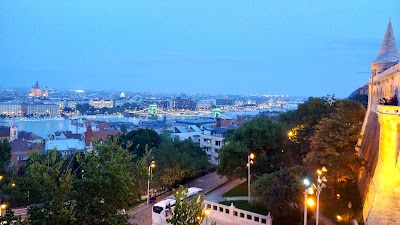
Travel and Stay
Round-trip flight
From JFK
Unavailable
One-night stay
Average price in Hungary
Average price for one night in Hungary, shown in US dollars.
Attractions
In Hungary
Unavailable
Frequently asked questions
When seeking a provider for skin resurfacing, consider their experience, the facility's accreditation, and patient reviews. It's important to ensure that the provider is qualified and that the facility meets international safety standards.
To compare destinations for skin resurfacing, look at factors such as the qualifications of healthcare providers, facility accreditation, patient testimonials, and the types of technology used. Avoid focusing solely on cost; instead, prioritize quality and safety.
Recovery times for skin resurfacing can vary based on the technique used, but most patients can expect some redness and swelling for a few days to a week. It's essential to follow post-procedure care instructions and plan for follow-up appointments to monitor healing.
Look for facilities that are accredited by recognized international health organizations and ensure that the providers have relevant certifications. Additionally, inquire about the use of sterile techniques and the availability of emergency care if needed.
Before undergoing skin resurfacing, ask about the provider's experience with the procedure, the specific techniques they use, and their approach to managing complications. Additionally, inquire about the expected recovery process and any follow-up care that will be provided.
When planning your trip to Hungary for medical care, it's important to research your healthcare options and understand the logistics of your stay. Many Americans find Hungary appealing due to its well-established healthcare infrastructure and the availability of English-speaking medical professionals. Additionally, consider your accommodation and transportation needs to ensure a smooth recovery process.
U.S. citizens can enter Hungary for short stays of up to 90 days without a visa for tourism or medical purposes. However, it's advisable to have a valid passport and to check for any updates on entry requirements before your trip. Always ensure your travel documents are in order to avoid any complications.
English is widely spoken in Hungary, particularly in urban areas and among healthcare professionals. Many hospitals and clinics catering to international patients have staff who are fluent in English, making communication easier for American travelers. It's still a good idea to learn a few basic Hungarian phrases to enhance your experience.
Hungary generally has a lower cost of living compared to the United States, which can be beneficial for medical travelers. While prices for lodging, food, and transportation can vary, many Americans find that their expenses are more manageable in Hungary. However, it's important to budget according to your specific needs and preferences.
Getting around Hungary is relatively easy, with a well-developed public transportation system that includes buses, trams, and metro services, especially in cities like Budapest. Taxis and rideshare services are also available. Planning your transportation in advance can help ensure you have a smooth experience while attending appointments and recovering.
Data last updated July 10, 2026. Prices and savings are estimates, not guarantees.