
Treatment destination
Skin resurfacing Care in Indonesia
Skin resurfacing in Indonesia is listed on CureValue.

Why Americans travel for skin resurfacing care
Skin resurfacing is a cosmetic procedure aimed at improving the appearance of the skin by removing damaged outer layers, which can help address issues such as wrinkles, acne scars, sun damage, and uneven skin tone. This treatment typically involves techniques like laser therapy, chemical peels, or microdermabrasion, each varying in intensity and recovery time. Americans may consider seeking skin resurfacing abroad for reasons such as potentially lower costs, shorter wait times, or access to specialized techniques not readily available in the U.S. While some patients report satisfaction with their results, it is important to approach care abroad with caution, ensuring that the provider has relevant experience, the facility is accredited, and there is clear communication about costs and follow-up care. Additionally, patients should consider the logistics of travel and recovery, as well as the importance of post-treatment support to ensure a safe and effective experience.

Key stats: Skin resurfacing in Indonesia

84
Top cosmetic surgery facilities in Indonesia
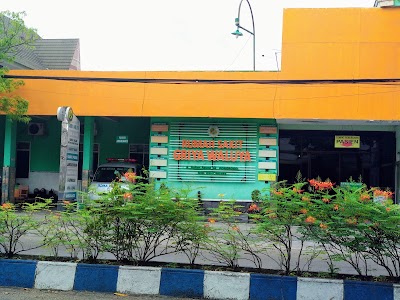
Compare all 3 providers →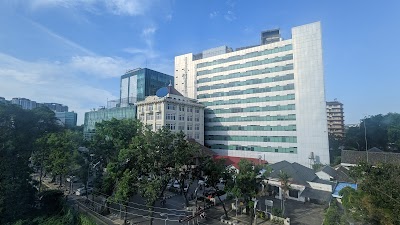

Travel and Stay
Round-trip flight
One-night stay
Attractions
Frequently asked questions
When seeking a provider for skin resurfacing, consider their experience, the facility's accreditation, and patient reviews. It's important to ensure that the provider is qualified and that the facility meets international safety standards.
To compare destinations for skin resurfacing, look at factors such as the qualifications of healthcare providers, facility accreditation, patient testimonials, and the types of technology used. Avoid focusing solely on cost; instead, prioritize quality and safety.
Recovery times for skin resurfacing can vary based on the technique used, but most patients can expect some redness and swelling for a few days to a week. It's essential to follow post-procedure care instructions and plan for follow-up appointments to monitor healing.
Look for facilities that are accredited by recognized international health organizations and ensure that the providers have relevant certifications. Additionally, inquire about the use of sterile techniques and the availability of emergency care if needed.
Before undergoing skin resurfacing, ask about the provider's experience with the procedure, the specific techniques they use, and their approach to managing complications. Additionally, inquire about the expected recovery process and any follow-up care that will be provided.
Before traveling to Indonesia for medical care, it's important to plan your trip carefully. Ensure you have a valid passport and check the latest visa requirements for U.S. citizens. Familiarize yourself with the local culture and customs, and consider arranging accommodations close to your treatment facility for convenience during recovery.
Indonesia generally has a lower cost of living compared to the U.S., which can be beneficial for medical travelers. While prices for lodging, food, and transportation can vary widely depending on the location, many visitors find that they can enjoy a comfortable stay at a fraction of the cost they would incur in the U.S. It's advisable to budget accordingly and research options in advance.
English is commonly spoken in major cities and tourist areas in Indonesia, particularly among healthcare professionals. Many hospitals and clinics catering to international patients have staff who are proficient in English, which can help facilitate communication during your medical journey.
Indonesia has a growing healthcare infrastructure that includes several hospitals and clinics equipped to handle international patients. Many facilities are accredited and offer a range of services tailored to the needs of medical travelers, ensuring a supportive environment for your care.
Getting around in Indonesia can be convenient with various transportation options available, including taxis, ride-sharing services, and public transport. For medical travelers, it may be beneficial to arrange for transportation through your hotel or treatment facility, especially during recovery when mobility may be limited.
Data last updated July 10, 2026. Prices and savings are estimates, not guarantees.