

Treatment destination
Bone graft Care in Switzerland
Bone graft in Switzerland is listed on CureValue.

Why Americans travel for bone graft care
A bone graft is a surgical procedure that involves transplanting bone tissue to repair or rebuild bones that are damaged or missing due to injury, disease, or congenital conditions. It is commonly recommended for patients with fractures that do not heal properly, bone loss from infections, or those needing support for dental implants. The procedure typically involves taking bone from another part of the patient's body (autograft), using synthetic materials, or utilizing donor bone (allograft). Americans may consider seeking bone grafts abroad for various reasons, including shorter wait times, availability of specific techniques, or potentially lower costs. While there may be potential benefits to receiving care overseas, such as access to specialized providers, it is crucial to carefully evaluate factors like the experience of the healthcare provider, the quality and accreditation of the facility, cost transparency, recovery time, travel logistics, and the availability of follow-up care. Understanding these elements can help patients make informed decisions about whether to pursue bone grafts outside the United States.

Key stats: Bone graft in Switzerland

86
Top dentistry facilities in Switzerland
Compare all 4 providers →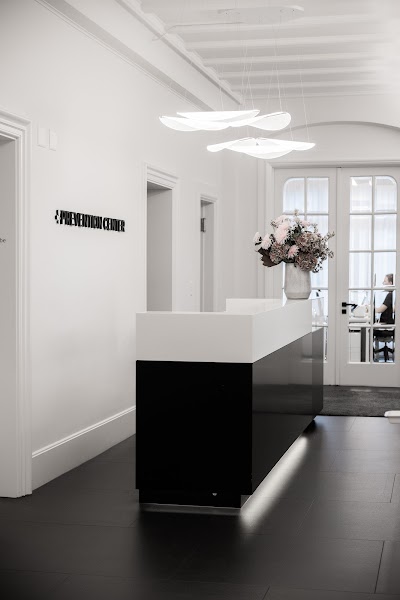

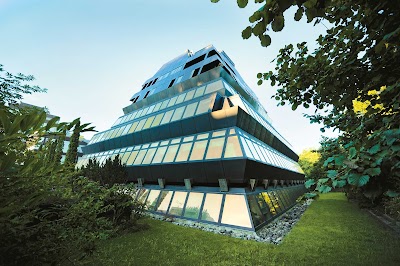
Travel and Stay
Round-trip flight
From JFK
Unavailable
One-night stay
Average price in Switzerland
Average price for one night in Switzerland, shown in US dollars.
Attractions
In Switzerland
Unavailable
Frequently asked questions
When evaluating international providers for a bone graft, consider their experience with the procedure, the accreditation of their facilities, and the qualifications of their medical staff. It's also important to look for reviews or testimonials from previous patients to gauge the quality of care.
To ensure safety and quality for a bone graft procedure abroad, research the facility's accreditation and compliance with international health standards. Additionally, inquire about the sterilization practices and the types of materials used in the graft to ensure they meet safety regulations.
Recovery time after a bone graft can vary, but patients typically need to rest for several days to weeks, depending on the complexity of the procedure. It's important to plan for follow-up appointments and consider how travel may impact your recovery, including the need for rest and potential complications.
Before getting a bone graft abroad, ask about the provider's experience with the procedure, the materials they use, and their post-operative care protocols. Additionally, inquire about the facility's accreditation and what support is available for complications or follow-up care.
While many patients seek bone grafts abroad for potential cost savings, prices can vary widely based on the provider and location. It's essential to obtain detailed quotes and understand what is included in the price, such as pre-operative assessments and post-operative care, to make an informed comparison.
Switzerland is known for its high-quality healthcare system and advanced medical facilities. Before traveling, it's important to plan your itinerary, including accommodations and transportation. Many cities, such as Zurich and Geneva, are well-equipped to cater to international patients, making your stay comfortable and convenient.
U.S. citizens can enter Switzerland for short stays of up to 90 days without a visa. However, it's advisable to have your travel documents in order, including a valid passport and any necessary medical documentation. Always check for the latest entry requirements before your trip.
English is widely spoken in Switzerland, especially in major cities and healthcare settings. Many healthcare professionals are fluent in English, which can help ease communication during your medical journey. Additionally, tourist areas are accustomed to English-speaking visitors, making it easier to navigate your stay.
Switzerland is known for its high cost of living, which can be higher than many areas in the U.S. This includes expenses for lodging, food, and transportation. It's important to budget accordingly and consider options like short-term rentals or local dining to manage costs during your stay.
Switzerland has an efficient public transportation system, including trains, trams, and buses, making it easy to get around. Many cities are also pedestrian-friendly. If you have specific recovery needs, consider arranging transportation in advance to ensure a smooth experience during your stay.
Data last updated July 10, 2026. Prices and savings are estimates, not guarantees.