

Treatment destination
Dental bonding Care in Australia
Dental bonding in Australia is listed on CureValue.

Why Americans travel for dental bonding care
Dental bonding is a cosmetic dental procedure that involves applying a tooth-colored resin material to repair or improve the appearance of teeth. It is commonly recommended for conditions such as chipped, cracked, or discolored teeth, as well as for closing gaps between teeth or improving the shape of a tooth. The procedure typically includes cleaning the tooth surface, applying a bonding agent, and then shaping and curing the resin to match the natural tooth color. Americans may consider seeking dental bonding abroad for reasons such as lower costs, shorter wait times, or greater availability of services. While potential benefits of receiving care overseas can include access to skilled providers and modern facilities, it is crucial to carefully evaluate factors such as the provider's experience, the quality and accreditation of the facility, cost transparency, recovery time, travel logistics, and the availability of follow-up care. Understanding these elements can help patients make informed decisions about whether to pursue dental bonding outside the United States.

Key stats: Dental bonding in Australia

87
Top dentistry facilities in Australia
Compare all 11 providers →

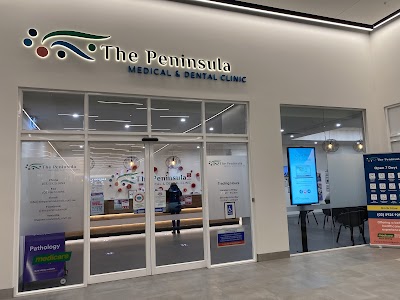
The Peninsula Medical & Dental Clinic
90
Travel and Stay
Round-trip flight
From JFK
Unavailable
One-night stay
Average price in Australia
Average price for one night in Australia, shown in US dollars.
Attractions
In Australia
Unavailable
Frequently asked questions
Before seeking dental bonding abroad, it's important to verify the qualifications and experience of the dental providers. Look for dentists who specialize in cosmetic dentistry and have relevant certifications. Additionally, check if the facility is accredited by recognized international dental organizations.
To assess safety and quality, research the dental clinics' accreditation, read patient reviews, and inquire about the materials used for bonding. It's also beneficial to ask about infection control practices and the clinic's adherence to international health standards.
Recovery from dental bonding is usually quick, with most patients able to resume normal activities within a day. However, if you're traveling for the procedure, consider allowing a few days for any potential sensitivity or adjustments before returning home.
Before selecting a provider for dental bonding, ask about their experience with the procedure, the types of materials they use, and their follow-up care process. Additionally, inquire about the clinic's infection control measures and how they handle complications if they arise.
While dental bonding abroad may be more affordable than in the U.S., costs can vary widely based on the destination and provider. It's important to obtain detailed quotes and understand what is included in the price, such as materials and follow-up care, to make an informed comparison.
Before traveling to Australia for medical care, it's important to plan your trip carefully. Ensure you have a valid passport and check the latest visa requirements for U.S. citizens. Familiarize yourself with the local healthcare system, and consider arranging accommodations close to your treatment facility for convenience during recovery.
The cost of living in Australia can vary significantly depending on the city you visit. Generally, major cities like Sydney and Melbourne may have higher living costs compared to many U.S. cities. It's advisable to budget for accommodation, food, and transportation, keeping in mind that prices can fluctuate based on location and season.
Yes, English is the primary language spoken in Australia, and you will find that most healthcare professionals are fluent in English. This makes communication easier for American medical travelers, ensuring that you can discuss your needs and concerns without language barriers.
Australia boasts a well-developed healthcare infrastructure, with many facilities equipped to cater to international patients. Hospitals and clinics often have dedicated staff to assist with the needs of medical travelers, including help with logistics and recovery planning, ensuring a smooth experience during your stay.
Getting around in Australia is relatively easy, with options including public transportation, taxis, and rideshare services. Many cities have efficient bus and train systems, and if you're recovering from a procedure, consider staying close to your treatment facility to minimize travel. Planning your transportation in advance can help ensure a stress-free experience.
Data last updated July 10, 2026. Prices and savings are estimates, not guarantees.