

Treatment destination
Dental bridges Care in Spain
Dental bridges in Spain is listed on CureValue.

Why Americans travel for dental bridges care
Dental bridges are prosthetic devices used to replace one or more missing teeth by anchoring artificial teeth to adjacent natural teeth or dental implants. This treatment is often recommended for individuals who have lost teeth due to decay, injury, or periodontal disease, and it can help restore function and improve the appearance of the smile. The procedure typically involves preparing the adjacent teeth for crowns, taking impressions, and placing the bridge, which may be made from materials like porcelain or metal. Americans may consider seeking dental bridges abroad for reasons such as lower costs, shorter wait times, or greater availability of certain procedures. While potential benefits of receiving care overseas can include access to experienced providers and modern facilities, it is crucial to carefully evaluate factors such as the provider's qualifications, the quality and accreditation of the facility, cost transparency, recovery time, travel logistics, and the availability of follow-up care. Understanding these elements can help patients make informed decisions about whether to pursue dental bridges outside the United States.

Key stats: Dental bridges in Spain

90
Top dentistry facilities in Spain
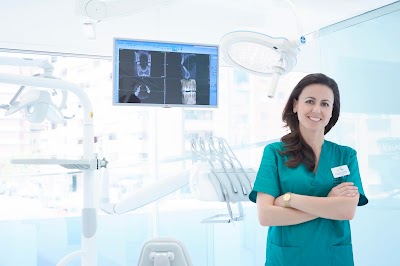
Compare all 137 providers →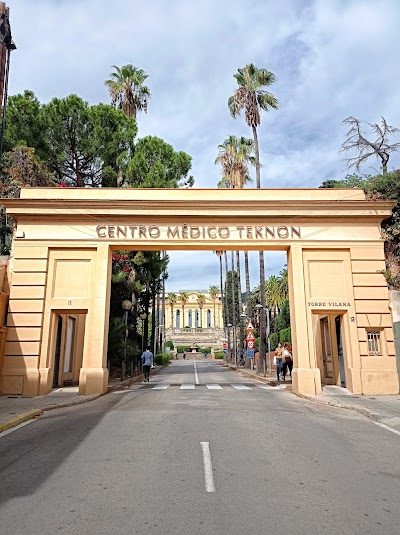
Travel and Stay
Round-trip flight
From JFK
Unavailable
One-night stay
Average price in Spain
Average price for one night in Spain, shown in US dollars.
Attractions
In Spain
Unavailable
Frequently asked questions
When seeking a provider for dental bridges, consider their experience, the facility's accreditation, and patient reviews. It's important to ensure that the clinic adheres to international safety standards and has qualified dental professionals.
To compare destinations for dental bridges, look at factors such as the reputation of dental clinics, the qualifications of the dental staff, and the quality of materials used. Additionally, consider patient testimonials and the overall healthcare infrastructure in the area.
Recovery from dental bridge placement usually takes a few days to a week, depending on individual healing. Follow-up care may include check-ups to ensure proper fit and function, which can often be scheduled during your return visit or through telehealth consultations.
Look for providers that are accredited by recognized international dental organizations and that follow strict hygiene protocols. Additionally, inquire about the materials used for dental bridges, as high-quality materials can significantly impact the longevity and success of the treatment.
While dental bridges abroad may offer potential cost savings compared to U.S. prices, it's essential to consider the overall value, including the quality of care and materials. Always request detailed quotes and understand what is included in the price before making a decision.
Before traveling to Spain for medical care, it's important to plan your itinerary, including accommodations and transportation. Familiarize yourself with the local healthcare system and ensure you have all necessary documentation, such as medical records and travel insurance. Many Americans find that the welcoming culture and beautiful surroundings enhance their recovery experience.
Spain generally offers a lower cost of living compared to many areas in the U.S., particularly in terms of lodging, food, and transportation. While prices can vary by region, many American medical travelers find that they can enjoy a comfortable stay without overspending. It's advisable to budget according to your specific needs and preferences.
U.S. citizens can enter Spain for tourism or medical travel without a visa for stays of up to 90 days. However, it's essential to have a valid passport and ensure it remains valid for the duration of your stay. Always check for any updates on entry requirements before your trip.
In many tourist areas and healthcare settings, English is commonly spoken, especially among staff who cater to international patients. However, it's helpful to learn a few basic Spanish phrases to enhance your experience and communication. This can also help you feel more comfortable while navigating the local culture.
Spain has a well-developed transportation system, including trains, buses, and taxis, making it easy to get around. Many cities also offer bike rentals and walking paths. Planning your transportation in advance can help ensure a smooth experience, especially when attending medical appointments or exploring the area during recovery.
Data last updated July 10, 2026. Prices and savings are estimates, not guarantees.