

Treatment destination
Dental fillings Care in Israel
Dental fillings in Israel is listed on CureValue.

Why Americans travel for dental fillings care
Dental fillings are a common dental procedure used to restore teeth that have been damaged by decay, cracks, or wear. The treatment typically involves removing the decayed portion of the tooth and filling it with materials such as composite resin, amalgam, or gold. Patients may seek dental fillings when they experience symptoms like tooth sensitivity, pain, or visible cavities. While the procedure is generally straightforward, the choice of filling material and technique can vary based on individual needs and preferences. Americans may consider receiving dental fillings abroad for reasons such as lower costs, shorter wait times, or greater availability of certain materials or techniques. Potential benefits of seeking care overseas may include access to experienced providers and modern facilities, but it is crucial to evaluate factors like the provider's qualifications, the facility's accreditation, cost transparency, and the logistics of travel and follow-up care. Understanding these elements can help patients make informed decisions about whether to pursue dental fillings outside the United States.

Key stats: Dental fillings in Israel

86
Top dentistry facilities in Israel
Compare all 1 provider →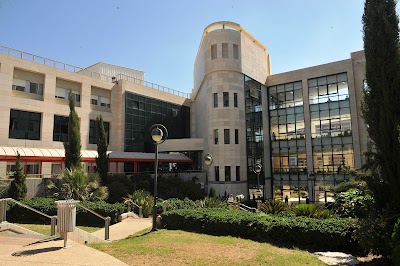
Travel and Stay
Round-trip flight
From JFK
Unavailable
One-night stay
Average price in Israel
Average price for one night in Israel, shown in US dollars.
Attractions
In Israel
Unavailable
Frequently asked questions
When seeking a provider for dental fillings abroad, consider their experience, the facility's accreditation, and patient reviews. It's also important to verify that the materials used meet international safety standards.
To ensure quality, research the dental clinic's certifications and accreditations, and look for testimonials from previous patients. Additionally, inquire about the types of materials used for fillings and the technology available at the facility.
Recovery time after dental fillings is generally quick, with most patients able to resume normal activities within a day. However, it's advisable to follow any specific aftercare instructions provided by your dentist to ensure optimal healing.
Before proceeding with dental fillings, ask about the provider's experience with the procedure, the materials they use, and their follow-up care process. It's also important to inquire about any potential risks and how they handle complications.
While many patients seek dental fillings abroad for potential cost savings, prices can vary widely based on the destination and provider. It's essential to obtain detailed quotes and understand what is included in the price before making a decision.
When planning your trip to Israel for medical care, it's important to research the healthcare facilities and understand the logistics of your stay. Many hospitals are equipped to handle international patients, and English is widely spoken in both healthcare and tourist settings. Additionally, consider arranging accommodations close to your treatment facility for convenience during recovery.
U.S. citizens traveling to Israel for medical purposes typically do not need a visa for stays of up to 90 days. However, it's advisable to have a valid passport and any necessary documentation related to your medical care. Always check the latest entry requirements before your trip to ensure a smooth arrival.
The cost of living in Israel can vary significantly depending on the city and region. Generally, major cities like Tel Aviv and Jerusalem may have higher costs for lodging and dining compared to smaller towns. It's wise to budget accordingly and explore various accommodation options to find what best suits your needs during your stay.
Israel has a well-developed public transportation system, including buses and trains, which can be convenient for getting around. Taxis and rideshare services are also widely available. If you prefer more flexibility, consider renting a car, but be aware of local driving regulations and parking options near your accommodation and treatment facility.
Yes, English is commonly spoken in Israel, especially in healthcare settings. Many medical professionals are fluent in English, which can help facilitate communication during your treatment. This language accessibility can make your experience more comfortable and ensure that you understand your care plan.
Data last updated July 10, 2026. Prices and savings are estimates, not guarantees.