

Treatment destination
Orthodontics Care in France
Orthodontics in France is listed on CureValue.

Why Americans travel for orthodontics care
Orthodontics is a specialized field of dentistry focused on diagnosing, preventing, and treating dental and facial irregularities, primarily involving the alignment of teeth and jaws. Common reasons for seeking orthodontic treatment include overcrowded teeth, gaps between teeth, overbites, underbites, and other alignment issues that can affect both appearance and oral health. Typical procedures include the use of braces, clear aligners, and retainers, which gradually shift teeth into their desired positions. Some Americans may consider receiving orthodontic care abroad due to factors such as lower costs, shorter wait times, or the availability of specific treatments not easily accessible in the U.S. While potential benefits of seeking care overseas may include reduced expenses and the opportunity to combine treatment with travel, it is crucial to carefully evaluate the experience of the provider, the quality and accreditation of the facility, and the transparency of costs. Additionally, patients should consider recovery times, travel logistics, and the availability of follow-up care to ensure a safe and effective treatment experience.

Key stats: Orthodontics in France

85
Top dentistry facilities in France
Compare all 2 providers →
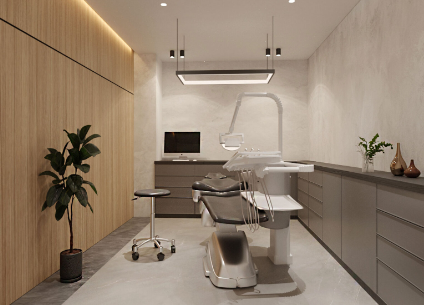
Centre Dentaire et d'Orthodontie Saint Genis Pouilly
84
Travel and Stay
Round-trip flight
From JFK
Unavailable
One-night stay
Average price in France
Average price for one night in France, shown in US dollars.
Attractions
In France
Unavailable
Frequently asked questions
When seeking orthodontics treatment abroad, consider the provider's experience, facility accreditation, and patient reviews. It's also important to understand the types of orthodontic options available and the technology used in treatment. Researching the local regulations and standards for dental care can help ensure a safe experience.
To compare destinations for orthodontics, look at factors such as the qualifications of orthodontists, the technology and techniques used, and the overall reputation of dental facilities. Patient testimonials and before-and-after photos can also provide insight into the quality of care. Avoid focusing solely on cost; consider the entire patient experience.
When evaluating orthodontics providers abroad, check for accreditation from recognized dental organizations and inquire about the sterilization practices and safety protocols in place. It's also beneficial to confirm that the orthodontist has relevant qualifications and experience in the specific treatments you are considering.
Recovery time for orthodontics treatment can vary based on the complexity of the case, but many patients can resume normal activities shortly after initial appointments. Follow-up visits are usually scheduled every few weeks to monitor progress. It's important to discuss the follow-up process with your provider to ensure continuity of care, especially if you are traveling back home.
Before selecting an international provider for orthodontics, ask about their qualifications, experience with your specific treatment needs, and the types of materials used. Inquire about the facility's accreditation, patient care protocols, and what happens if complications arise. Understanding the total cost, including travel and accommodation, is also crucial.
When planning a trip to France for medical care, it's important to research the healthcare facilities and understand the logistics of your stay. Familiarize yourself with the local area where you will be receiving care, and consider arranging accommodations nearby for convenience. Additionally, ensure you have all necessary travel documents and health insurance coverage that includes international care.
The cost of living in France can vary significantly depending on the region. Generally, major cities like Paris may have higher costs for lodging and dining compared to smaller towns. However, many Americans find that everyday expenses, such as groceries and public transportation, can be more affordable than in the U.S. It's wise to budget accordingly and explore local options.
U.S. citizens can travel to France for short stays of up to 90 days without a visa for tourism or medical purposes. However, it's essential to have a valid passport and ensure it remains valid for the duration of your stay. Always check for any updates on entry requirements before your trip, as regulations can change.
While French is the official language, many healthcare professionals in France, particularly in urban areas and tourist destinations, speak English. It's helpful to learn a few basic French phrases, but you can generally expect to find English-speaking staff in hospitals and clinics catering to international patients.
France offers a variety of transportation options, including trains, buses, and taxis, making it easy to navigate both cities and rural areas. The high-speed train system (TGV) connects major cities efficiently, while public transportation in cities like Paris is extensive and user-friendly. Consider planning your transportation in advance to ensure a smooth experience during your medical trip.
Data last updated July 10, 2026. Prices and savings are estimates, not guarantees.