

Treatment destination
Tooth extraction Care in South Korea
Tooth extraction in South Korea is listed on CureValue.

Why Americans travel for tooth extraction care
Tooth extraction is a dental procedure that involves the removal of a tooth from its socket in the bone, typically performed when a tooth is severely decayed, damaged, or impacted, or in preparation for orthodontic treatment. The process usually includes an initial examination, possibly X-rays, local anesthesia to numb the area, and the use of specialized tools to extract the tooth. Americans may consider seeking tooth extraction abroad for various reasons, such as lower costs, shorter wait times, or greater availability of services. While potential benefits of receiving care overseas can include access to experienced providers and modern facilities, it is crucial to carefully evaluate factors like the provider's qualifications, the facility's accreditation, cost transparency, and the logistics of travel and follow-up care. Additionally, understanding recovery time and ensuring clear communication with the dental team are essential for a positive experience, regardless of where the procedure is performed.

Key stats: Tooth extraction in South Korea

87
Top dentistry facilities in South Korea
Compare all 5 providers →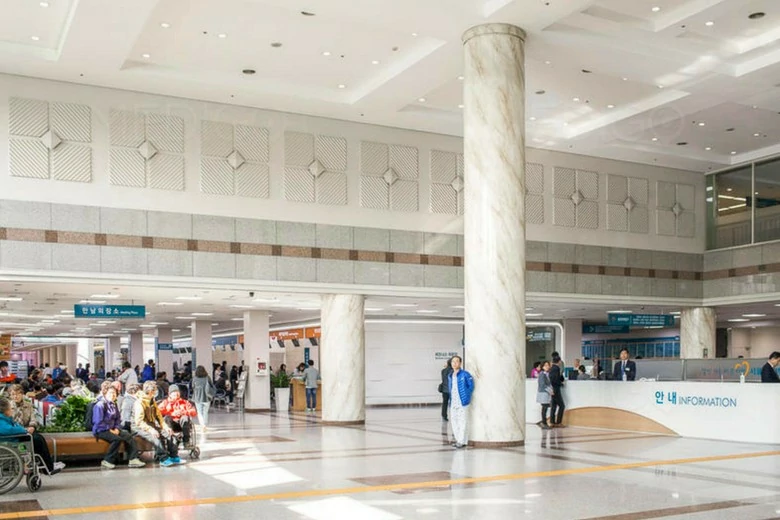
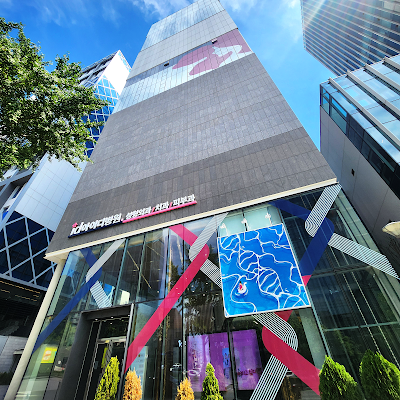

Top dentistry doctors in South Korea


Travel and Stay
Round-trip flight
From JFK
Unavailable
One-night stay
Average price in South Korea
Average price for one night in South Korea, shown in US dollars.
Attractions
In South Korea
Unavailable
Frequently asked questions
When seeking a provider for tooth extraction abroad, consider their experience, the facility's accreditation, and patient reviews. It's also important to verify that the clinic adheres to international safety standards and has qualified dental professionals.
To ensure safety and quality, research the clinic's accreditation, look for certifications from recognized dental organizations, and read patient testimonials. Additionally, inquire about the sterilization practices and the types of anesthesia used during the procedure.
Recovery time after a tooth extraction typically ranges from a few days to a week, depending on the complexity of the extraction. Traveling soon after the procedure may affect your recovery, so it's advisable to plan for adequate rest and follow-up care before returning home.
Before undergoing tooth extraction, ask about the provider's experience with the procedure, the types of anesthesia they use, and their post-operative care protocols. Additionally, inquire about the facility's accreditation and what to expect during recovery.
While tooth extraction costs abroad may be lower than in the United States, prices can vary widely based on the provider and location. It's important to obtain detailed quotes and understand what is included in the price, such as consultations and follow-up visits, before making a decision.
When planning your trip to South Korea for medical care, it's important to research the healthcare facilities and understand the logistics of your stay. Many hospitals cater to international patients, offering services in English and assistance with travel arrangements. Additionally, familiarize yourself with local customs and transportation options to ensure a smooth experience.
The cost of living in South Korea can vary significantly depending on the city and lifestyle. Generally, accommodations, food, and transportation can be more affordable than in many U.S. cities. However, it's wise to budget according to your personal preferences and needs, as prices can fluctuate.
U.S. citizens traveling to South Korea for short stays, including medical travel, typically do not need a visa for visits of up to 90 days. However, it's essential to have a valid passport and check for any updates on entry requirements before your trip. Always verify the latest information from official sources.
English is commonly spoken in major cities and tourist areas in South Korea, particularly in healthcare settings that cater to international patients. Many medical professionals are proficient in English, which can help ease communication during your visit. However, learning a few basic Korean phrases can enhance your experience.
South Korea has an efficient public transportation system, including subways, buses, and taxis, making it easy to navigate cities. For medical travelers, many hospitals offer shuttle services or assistance with transportation arrangements. It's advisable to download local transportation apps to help plan your journeys.
Data last updated July 10, 2026. Prices and savings are estimates, not guarantees.