

Treatment destination
Corneal transplant Care in Saudi Arabia
Corneal transplant in Saudi Arabia is listed on CureValue.

Why Americans travel for corneal transplant care
A corneal transplant, also known as keratoplasty, is a surgical procedure that involves replacing a damaged or diseased cornea with healthy tissue from a donor. This treatment is often recommended for individuals experiencing vision loss due to conditions such as corneal scarring, keratoconus, or Fuchs' dystrophy, which can cause symptoms like blurred vision, glare, and discomfort. The procedure typically involves removing the affected cornea and stitching the donor cornea in place, and it can be performed using various techniques, including full-thickness or partial-thickness transplants. Some Americans may consider seeking a corneal transplant abroad due to factors like shorter wait times, availability of specific procedures, or potentially lower costs. While there may be potential benefits to receiving care overseas, such as access to specialized expertise, it is crucial to carefully evaluate the experience of the provider, the quality and accreditation of the facility, and the transparency of costs. Additionally, patients should consider recovery time, travel logistics, and the availability of follow-up care after the procedure to ensure a comprehensive understanding of the process.

Key stats: Corneal transplant in Saudi Arabia

87
Top eye care facilities in Saudi Arabia
Compare all 3 providers →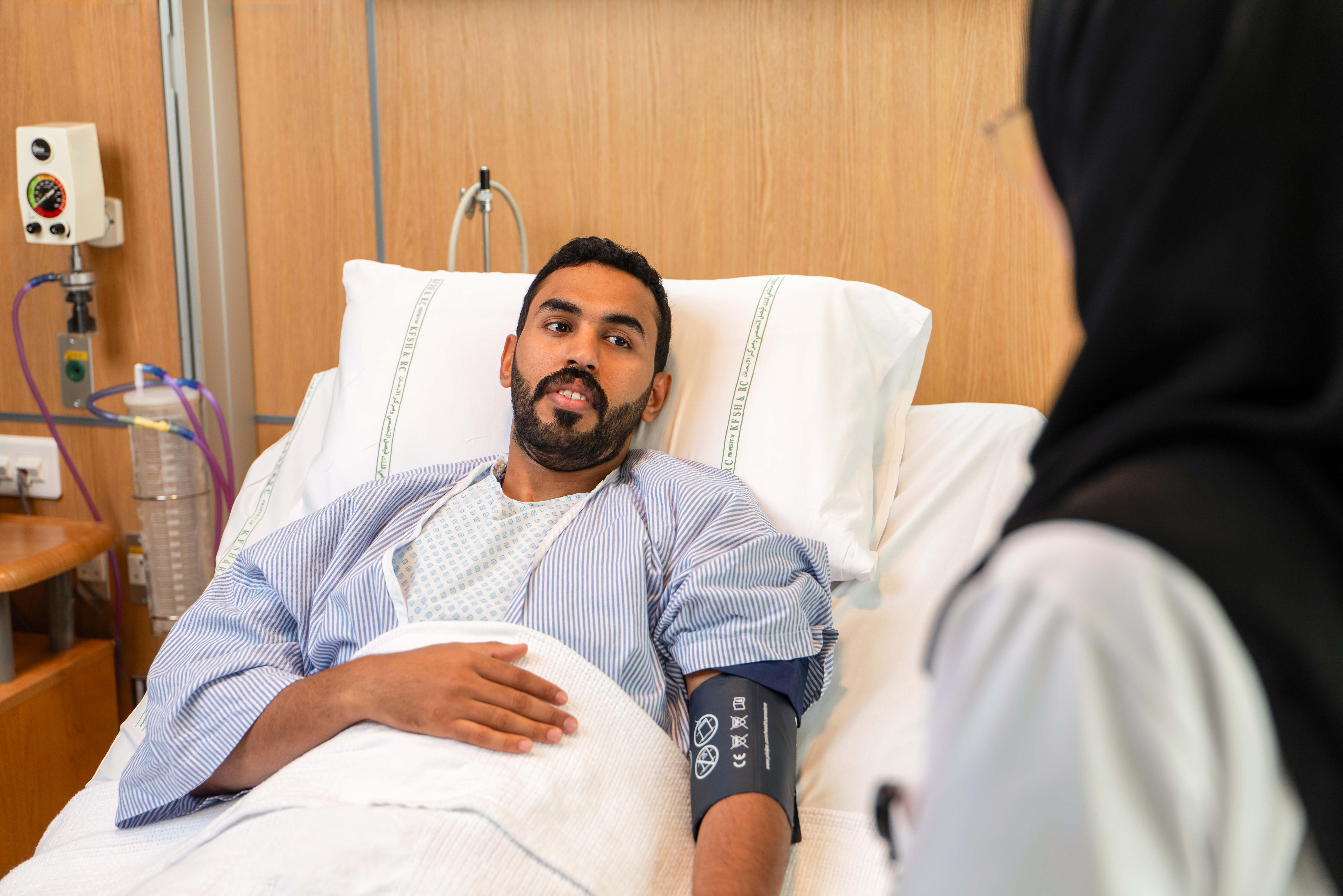
King Faisal Specialist Hospital & Research Centre
91
Travel and Stay
Round-trip flight
From JFK
Unavailable
One-night stay
Average price in Saudi Arabia
Average price for one night in Saudi Arabia, shown in US dollars.
Attractions
In Saudi Arabia
Unavailable
Frequently asked questions
When evaluating international options for a corneal transplant, consider the provider's experience, the facility's accreditation, and the standards of care. Research the hospital's reputation, the surgeon's qualifications, and patient reviews to ensure you are choosing a reputable destination.
To ensure safety and quality of care for a corneal transplant abroad, look for facilities that are accredited by recognized international organizations. Additionally, verify that the surgeons are board-certified and have extensive experience in performing corneal transplants.
The typical recovery process after a corneal transplant can take several months, during which follow-up appointments are crucial to monitor healing. Traveling shortly after the procedure may complicate recovery, so it's important to plan for adequate time in the destination for initial recovery and follow-up care.
When considering providers for a corneal transplant abroad, ask about their experience with the procedure, the number of transplants they perform annually, and their success rates. Inquire about the types of corneal tissue used, post-operative care, and how they handle complications if they arise.
While the cost of a corneal transplant abroad may be lower than in the U.S., it's important to consider all associated expenses, including travel, accommodation, and follow-up care. Researching and comparing total costs can help you make an informed decision without assuming significant savings.
When planning your medical travel to Saudi Arabia, it's important to familiarize yourself with the local customs and healthcare system. Many hospitals cater to international patients and have English-speaking staff, making communication easier. Additionally, consider the climate and plan your travel dates accordingly, as summers can be extremely hot.
U.S. citizens traveling to Saudi Arabia for medical purposes typically need a visa. It's advisable to apply for a medical visa through the Saudi embassy or consulate before your trip. Ensure you have all necessary documentation, including an invitation from a healthcare provider in Saudi Arabia, to facilitate the process.
The cost of living in Saudi Arabia can vary significantly depending on the city and lifestyle. Generally, accommodation and food can be more affordable than in the U.S., but this can depend on your choices. It's wise to budget for your stay, considering both medical expenses and daily living costs.
Yes, English is commonly spoken in Saudi Arabia, particularly in major cities and healthcare facilities. Many healthcare professionals are fluent in English, which helps facilitate communication for international patients. However, it's always helpful to learn a few basic Arabic phrases to enhance your experience.
When traveling to Saudi Arabia for medical care, consider how you will get around. Major cities have reliable transportation options, including taxis and ride-sharing services. Additionally, plan for your recovery by ensuring you have accommodations close to your medical facility and consider any follow-up appointments that may be necessary.
Data last updated July 10, 2026. Prices and savings are estimates, not guarantees.