

Treatment destination
Embryo donation Care in Singapore
Embryo donation in Singapore is listed on CureValue.

Why Americans travel for embryo donation care
Embryo donation is a process where embryos created through in vitro fertilization (IVF) are given to another individual or couple who wish to conceive, often used by those facing infertility due to various conditions such as advanced age, genetic disorders, or unsuccessful previous fertility treatments. The procedure typically involves the recipient undergoing a cycle of preparation to receive the donated embryos, which are then transferred into the uterus. Americans may consider seeking embryo donation abroad for reasons such as shorter wait times, different legal regulations, or potentially lower costs, though these factors can vary widely by country and clinic. While some patients report positive experiences with embryo donation overseas, it is essential to carefully evaluate the experience of the healthcare providers, the quality and accreditation of the facilities, and the transparency of costs, as well as to consider the logistics of travel and follow-up care. Understanding these aspects can help patients make informed decisions about whether to pursue embryo donation in another country.

Key stats: Embryo donation in Singapore

87
Top fertility treatment facilities in Singapore
Compare all 6 providers →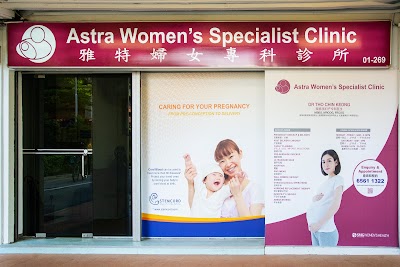
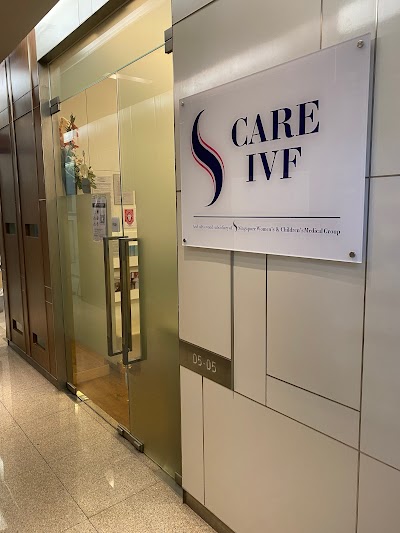
Centre For Assisted Reproduction Pte Ltd
88
Travel and Stay
Round-trip flight
From JFK
Unavailable
One-night stay
Average price in Singapore
Average price for one night in Singapore, shown in US dollars.
Attractions
In Singapore
Unavailable
Frequently asked questions
When evaluating clinics for embryo donation, consider the facility's accreditation, the experience of the medical team, and the success rates of their procedures. It's also important to review patient testimonials and ensure the clinic adheres to international safety standards.
To ensure safety and quality, look for clinics that are accredited by recognized international organizations and have a proven track record in reproductive medicine. Additionally, inquire about their protocols for embryo screening and handling to minimize risks.
Key questions to ask include the clinic's accreditation status, the experience of the embryologists, the process for selecting donor embryos, and what support is available for follow-up care. Understanding the legal aspects of embryo donation in the destination country is also crucial.
Recovery time after embryo donation can vary, but many patients can resume normal activities within a few days. It's important to follow the specific post-procedure instructions provided by your healthcare team to ensure the best outcomes.
While costs for embryo donation abroad may be lower than in the U.S., it's essential to consider the overall value, including the quality of care and services provided. Always request a detailed breakdown of costs and any potential additional fees before making a decision.
Before traveling to Singapore for medical care, it's important to plan your itinerary, including accommodations and transportation. Singapore has a well-developed healthcare infrastructure, and many hospitals cater to international patients. Familiarize yourself with local customs and healthcare practices to ensure a smooth experience.
The cost of living in Singapore can vary significantly depending on your lifestyle choices. While some expenses, such as dining out and transportation, may be comparable to or slightly lower than in the U.S., accommodation costs can be higher. It's advisable to budget accordingly and explore various options for lodging to find what suits you best.
U.S. citizens traveling to Singapore for short stays, including medical travel, typically do not need a visa for visits of up to 90 days. However, it's essential to have a valid passport and may be required to show proof of onward travel. Always check the latest entry requirements before your trip.
Yes, English is one of the official languages in Singapore and is widely spoken throughout the country, including in healthcare settings. Most medical professionals are fluent in English, making communication easier for American travelers seeking medical care.
Singapore has an efficient public transportation system, including buses and the MRT (Mass Rapid Transit) that makes getting around easy and convenient. Taxis and ride-sharing services are also readily available. Planning your transportation in advance can help ensure a smooth experience, especially when attending medical appointments.
Data last updated July 10, 2026. Prices and savings are estimates, not guarantees.