

Treatment destination
Fertility Treatment Care in Spain
Spain has 52 fertility treatment providers listed on CureValue, 12 internationally accredited, with typical prices from $800 to $9,000 and average savings of 32% compared with US costs. Top-rated clinics are in Madrid and Marbella.

Why Americans travel for fertility treatment care
Preimplantation genetic diagnosis (PGD) is a procedure used in conjunction with in vitro fertilization (IVF) to test embryos for specific genetic conditions before they are implanted in the uterus. It may be recommended for individuals or couples with a known genetic disorder, a family history of genetic conditions, or recurrent pregnancy loss. The process typically involves creating embryos through IVF, followed by a biopsy to analyze the genetic material for abnormalities. Americans may consider seeking PGD abroad for reasons such as access to specialized clinics, potentially lower costs, or shorter wait times, though these factors can vary widely. While some patients report benefits like advanced technology or personalized care, it is crucial to carefully evaluate the experience of the healthcare providers, the quality and accreditation of the facilities, and the transparency of costs. Additionally, patients should consider the logistics of travel, recovery time, and the availability of follow-up care when making their decision.

Key stats: Fertility Treatment in Spain

90
Fertility Treatment costs in Spain vs the US
Estimates from providers listed on CureValue. Actual prices vary by provider and case.
| Procedure | Spain price range | Typical US cost | Average savings |
|---|---|---|---|
| In Vitro Fertilization (IVF) | $7,000 to $9,000 | $12,000 to $15,000 | 37% |
| Intrauterine Insemination (IUI) | $1,500 to $2,500 | about $3,000 | 34% |
| Intracytoplasmic Sperm Injection (ICSI) | $2,500 to $3,500 | $3,000 to $4,000 | 15% |
| IUI (Intrauterine Insemination) | $2,000 to $2,500 | about $3,000 | 25% |
In Vitro Fertilization (IVF)
Intrauterine Insemination (IUI)
Intracytoplasmic Sperm Injection (ICSI)
IUI (Intrauterine Insemination)
Top fertility treatment facilities in Spain
Compare all 52 providers →

Quironsalud Marbella Hospital
94

Top fertility treatment doctors in Spain
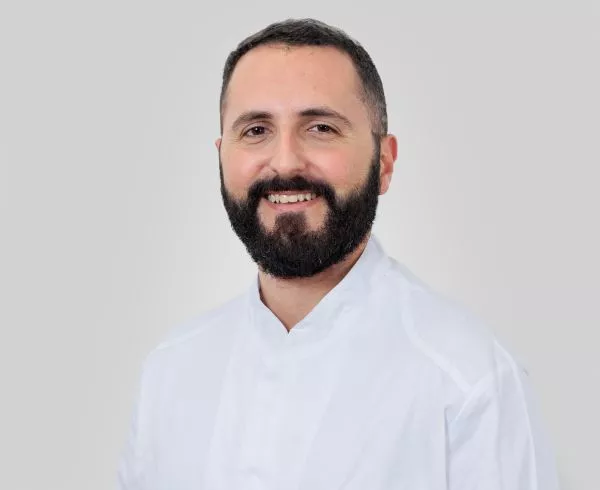
Dr. Luca Rivoli, Specialist in Assisted Reproduction
Fertility Treatment
Clínica de FertilidadView facility
Dr. Raúl Olivares, Medical Director, Specialist in Assisted Reproduction
Fertility Treatment
Clínica de FertilidadView facility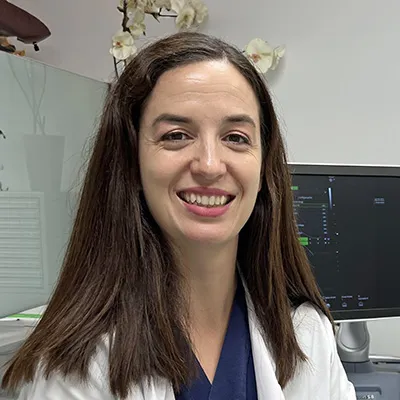

Travel and Stay
Round-trip flight
From JFK
Unavailable
One-night stay
Average price in Spain
Average price for one night in Spain, shown in US dollars.
Attractions
In Spain
Unavailable
Frequently asked questions
When evaluating facilities for preimplantation genetic diagnosis (PGD), consider their accreditation, the experience of the medical team, and the technology used in the procedures. It's also important to review patient testimonials and success rates, as well as the facility's compliance with international health standards.
To ensure safety and quality for preimplantation genetic diagnosis (PGD), look for facilities that are accredited by recognized international organizations. Additionally, inquire about the laboratory standards, the qualifications of the embryologists, and the protocols in place for patient care and safety.
Before selecting a provider for preimplantation genetic diagnosis (PGD), ask about their experience with the procedure, the success rates they have achieved, and the specific technologies they use. Additionally, inquire about the support they offer during recovery and follow-up care after the procedure.
Recovery time after preimplantation genetic diagnosis (PGD) can vary, but most patients can expect to resume normal activities within a few days. It's important to follow the specific post-procedure instructions provided by your healthcare team to ensure a smooth recovery.
The cost of preimplantation genetic diagnosis (PGD) abroad can vary significantly based on the facility and location. While many patients find that treatment abroad may be more affordable than in the United States, it's essential to consider all associated costs, including travel and accommodation, when evaluating your options.
Before traveling to Spain for medical care, it's important to plan your itinerary, including accommodations and transportation. Familiarize yourself with the local healthcare system and ensure you have all necessary documentation, such as medical records and travel insurance. Many Americans find that the welcoming culture and beautiful surroundings enhance their recovery experience.
Spain generally offers a lower cost of living compared to many areas in the U.S., particularly in terms of lodging, food, and transportation. While prices can vary by region, many American medical travelers find that they can enjoy a comfortable stay without overspending. It's advisable to budget according to your specific needs and preferences.
U.S. citizens can enter Spain for tourism or medical travel without a visa for stays of up to 90 days. However, it's essential to have a valid passport and ensure it remains valid for the duration of your stay. Always check for any updates on entry requirements before your trip.
In many tourist areas and healthcare settings, English is commonly spoken, especially among staff who cater to international patients. However, it's helpful to learn a few basic Spanish phrases to enhance your experience and communication. This can also help you feel more comfortable while navigating the local culture.
Spain has a well-developed transportation system, including trains, buses, and taxis, making it easy to get around. Many cities also offer bike rentals and walking paths. Planning your transportation in advance can help ensure a smooth experience, especially when attending medical appointments or exploring the area during recovery.
Data last updated July 10, 2026. Prices and savings are estimates, not guarantees.