

Treatment destination
Fistula repair Care in Croatia
Fistula repair in Croatia is listed on CureValue.

Why Americans travel for fistula repair care
Fistula repair is a surgical procedure aimed at closing abnormal connections between organs or vessels, often resulting from conditions like childbirth injuries, inflammatory bowel disease, or previous surgeries. The treatment typically involves techniques such as suturing the fistula or using tissue flaps to promote healing. Patients may experience symptoms like leakage of stool or urine, discomfort, or recurrent infections, which can lead to the recommendation for repair. Some Americans consider seeking this procedure abroad due to factors like shorter wait times, potential cost savings, or access to specialized care not readily available in the U.S. While there may be potential benefits to receiving care overseas, such as reduced expenses or quicker scheduling, it is crucial to carefully evaluate the experience of the healthcare provider, the quality and accreditation of the facility, and the transparency of costs. Additionally, patients should consider recovery time, travel logistics, and the availability of follow-up care when making their decision.

Key stats: Fistula repair in Croatia

91
Top general surgery facilities in Croatia
Compare all 2 providers →
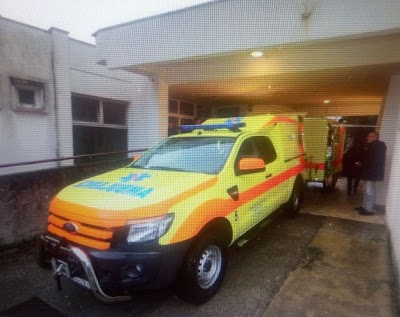
Emergency Medicine Institute Of The Primorje-gorski Kotar County
89
Travel and Stay
Round-trip flight
From JFK
Unavailable
One-night stay
Average price in Croatia
Average price for one night in Croatia, shown in US dollars.
Attractions
In Croatia
Unavailable
Frequently asked questions
When evaluating international options for fistula repair, consider the provider's experience, the facility's accreditation, and the standards of care. Research patient reviews and outcomes, and ensure the facility has a track record of successful procedures. It's also important to understand the local healthcare regulations and how they compare to U.S. standards.
To ensure safety and quality of care for your fistula repair abroad, look for accredited facilities and board-certified surgeons with specific experience in this procedure. Verify that the hospital meets international healthcare standards and inquire about their infection control practices and patient safety protocols.
Before choosing a provider for fistula repair, ask about their experience with the procedure, the number of surgeries they perform annually, and their complication rates. Inquire about the specific techniques they use, the type of anesthesia administered, and the post-operative care plan. Understanding their follow-up process is also crucial.
Recovery time after fistula repair can vary, but most patients can expect to take about 1 to 2 weeks for initial recovery. This may affect your travel plans, as you should allow time for follow-up appointments and any potential complications. Discuss your travel itinerary with your healthcare provider to ensure a safe and comfortable recovery.
The cost of fistula repair abroad can vary widely depending on the destination and facility, but it is often lower than in the U.S. However, it's important to consider not just the price but also the quality of care and the experience of the provider. Always request a detailed breakdown of costs and understand what is included in the price before making a decision.
Before traveling to Croatia for medical care, it's important to plan your trip carefully. Ensure you have a valid passport and check the latest entry requirements for U.S. citizens. Familiarize yourself with local customs and healthcare facilities, and consider arranging accommodations close to your treatment center for convenience during recovery.
Croatia generally offers a lower cost of living compared to the U.S., which can be beneficial for medical travelers. While prices for lodging, food, and transportation can vary by region, many visitors find that their expenses are manageable. It's advisable to budget accordingly and research local prices to get a better understanding of what to expect.
Yes, English is widely spoken in Croatia, particularly in tourist areas and healthcare settings. Many medical professionals are proficient in English, which can help facilitate communication during your visit. However, it's always a good idea to learn a few basic Croatian phrases to enhance your experience.
Croatia offers various transportation options, including buses, trains, and taxis, making it easy to navigate between cities and medical facilities. Many urban areas also have reliable public transport systems. For added convenience, consider renting a car if you plan to explore more remote locations during your recovery.
Croatia has a well-developed healthcare infrastructure that caters to international patients. Many hospitals and clinics are equipped with modern technology and adhere to international standards. Additionally, the country has a growing reputation for medical tourism, with facilities that are accustomed to serving foreign patients and providing comprehensive support throughout their stay.
Data last updated July 10, 2026. Prices and savings are estimates, not guarantees.