

Treatment destination
Incisional hernia repair Care in Vietnam
Incisional hernia repair in Vietnam is listed on CureValue.

Why Americans travel for incisional hernia repair care
Incisional hernia repair is a surgical procedure aimed at correcting a hernia that occurs at the site of a previous surgical incision, where tissue or organs protrude through the abdominal wall. This condition may be recommended for individuals experiencing symptoms such as pain, discomfort, or a noticeable bulge in the abdomen, particularly after surgeries like appendectomies or cesarean sections. The repair can be performed using various techniques, including open surgery or minimally invasive laparoscopic methods, which involve smaller incisions and may lead to quicker recovery times. Americans may consider seeking this procedure abroad for reasons such as reduced wait times, potential cost savings, or access to specialized care not readily available in the U.S. While there may be potential benefits to receiving care internationally, such as shorter recovery periods or different surgical approaches, it is crucial to carefully evaluate factors like the surgeon's experience, the quality and accreditation of the medical facility, cost transparency, and the logistics of travel and follow-up care. Understanding these elements can help patients make informed decisions about whether to pursue incisional hernia repair outside the United States.

Key stats: Incisional hernia repair in Vietnam

88
Top general surgery facilities in Vietnam
Compare all 5 providers →
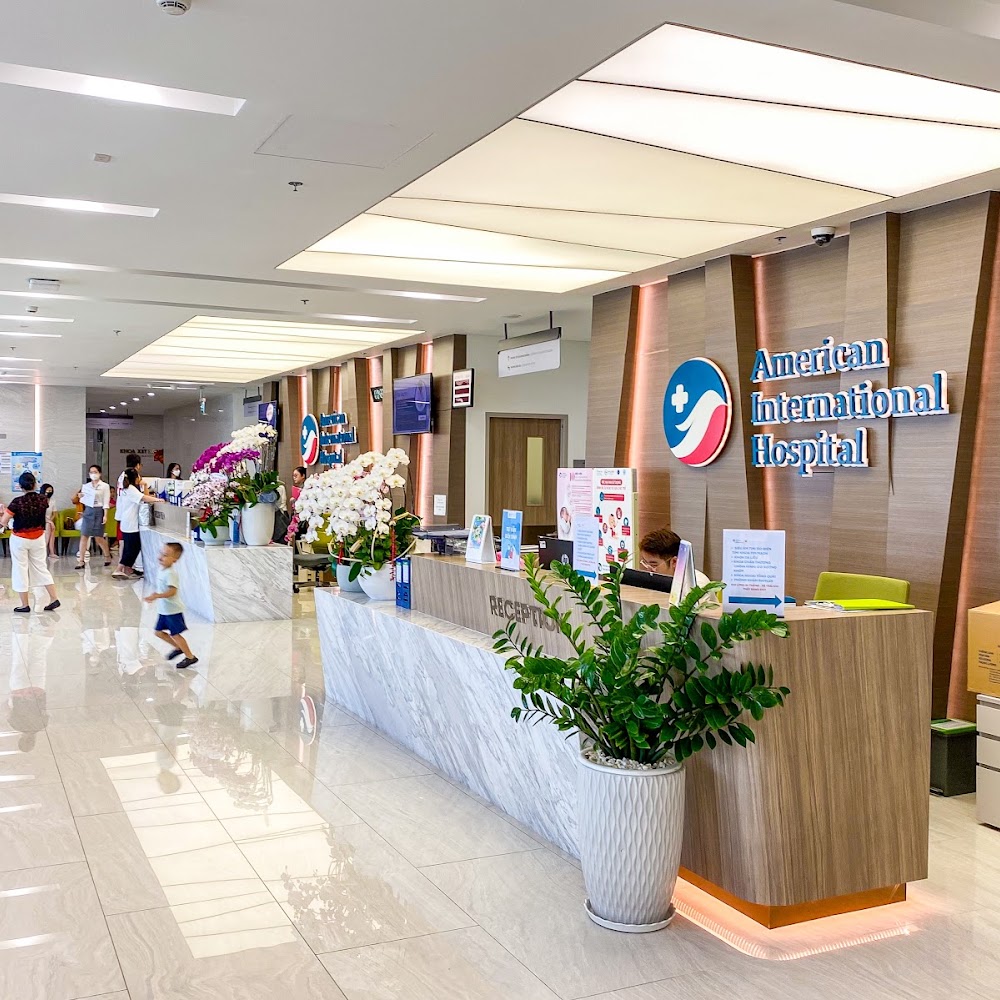
American International Hospital (AIH)
89
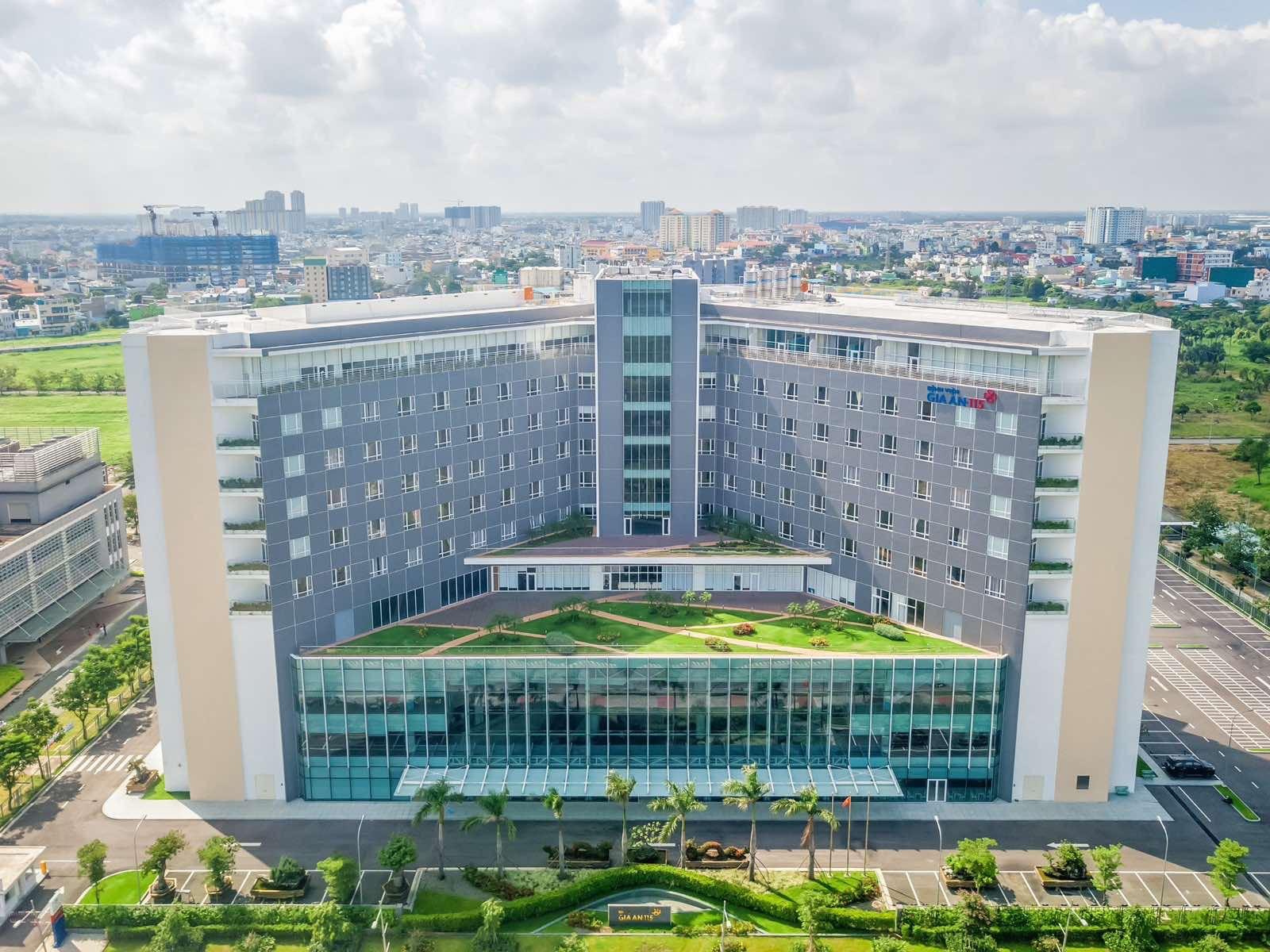
Travel and Stay
Round-trip flight
From JFK
Unavailable
One-night stay
Average price in Vietnam
Average price for one night in Vietnam, shown in US dollars.
Attractions
In Vietnam
Unavailable
Frequently asked questions
When evaluating facilities for Incisional Hernia Repair, consider the accreditation of the hospital, the experience and qualifications of the surgeons, and the facility's track record with similar procedures. Look for reviews from previous patients and inquire about the hospital's infection rates and safety protocols.
To ensure quality care for your Incisional Hernia Repair, research the credentials of the healthcare providers and the hospital's accreditation status. Look for international certifications, such as those from the Joint Commission International (JCI), and ask about the surgeon's experience specifically with hernia repairs.
Recovery time after Incisional Hernia Repair typically ranges from a few days to a couple of weeks, depending on the surgical technique used. It's advisable to plan for at least a week of recovery at your destination before traveling back home, allowing time for follow-up appointments and any necessary adjustments.
Before undergoing Incisional Hernia Repair, ask your provider about their experience with the procedure, the type of anesthesia used, potential risks, and the expected recovery process. Additionally, inquire about post-operative care and how follow-up appointments will be managed once you return home.
While costs for Incisional Hernia Repair abroad can vary significantly, many patients find that they may pay less than in the U.S. However, it's important to consider not just the price but also the quality of care and the experience of the provider. Always request a detailed breakdown of costs and what is included in the price.
Before traveling to Vietnam for medical care, it's important to plan your itinerary, including accommodations and transportation. Familiarize yourself with local customs and healthcare practices. Many medical facilities cater to international patients, ensuring a comfortable experience. Additionally, consider bringing any necessary medical records and prescriptions.
Vietnam generally has a lower cost of living compared to the U.S., which can extend to lodging, food, and transportation. While prices can vary by city and region, many American travelers find that their expenses for daily living are significantly reduced. However, it's wise to budget according to your personal preferences and needs.
U.S. citizens traveling to Vietnam typically need a visa, which can be obtained online or upon arrival, depending on the length of stay. It's advisable to check the latest entry requirements and ensure your passport is valid for at least six months beyond your planned departure date. Planning ahead can help streamline your travel experience.
English is increasingly spoken in Vietnam, particularly in urban areas and tourist destinations. Many healthcare professionals in major hospitals and clinics are proficient in English, making communication easier for international patients. However, it can be helpful to learn a few basic Vietnamese phrases to enhance your experience.
Getting around Vietnam can be convenient with options like taxis, ride-sharing apps, and public transportation. For recovery, consider the proximity of your accommodation to your medical facility, as well as access to amenities like pharmacies and grocery stores. Planning your recovery space to be comfortable and accessible will help ensure a smooth healing process.
Data last updated July 10, 2026. Prices and savings are estimates, not guarantees.