

Treatment destination
Mastectomy Care in Thailand
Mastectomy in Thailand is listed on CureValue.

Why Americans travel for mastectomy care
Mastectomy is a surgical procedure that involves the removal of one or both breasts, typically performed to treat or prevent breast cancer. It may be recommended for various conditions, including invasive breast cancer, ductal carcinoma in situ (DCIS), or as a preventive measure for those at high risk of developing breast cancer. The procedure can vary in technique, with options such as total mastectomy, which removes the entire breast, or partial mastectomy, which removes only a portion of the breast tissue. Americans may consider seeking a mastectomy abroad for reasons such as shorter wait times, availability of specific surgical techniques, or potentially lower costs. While there may be benefits to receiving care internationally, such as access to specialized surgeons or advanced technology, it is crucial to carefully evaluate factors like the provider's experience, the quality and accreditation of the facility, cost transparency, recovery time, travel logistics, and the availability of follow-up care. Understanding these elements can help patients make informed decisions about their treatment options.

Key stats: Mastectomy in Thailand

88
Top general surgery facilities in Thailand
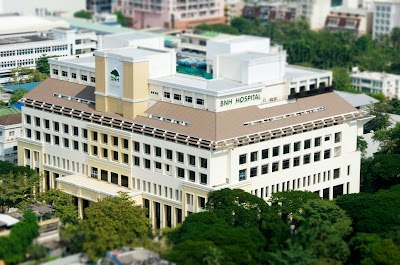
Compare all 36 providers →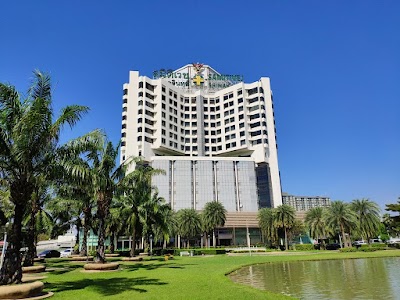

Aek Udon International Hospital
94
Travel and Stay
Round-trip flight
From JFK
Unavailable
One-night stay
Average price in Thailand
Average price for one night in Thailand, shown in US dollars.
Attractions
In Thailand
Unavailable
Frequently asked questions
When evaluating facilities for a mastectomy abroad, consider the hospital's accreditation, the experience of the surgical team, and the availability of advanced technology. It's also important to research patient reviews and outcomes to ensure the facility meets high standards of care.
To ensure safety and quality for your mastectomy procedure overseas, look for hospitals that are accredited by recognized international organizations. Additionally, verify the credentials and experience of the surgeons, and inquire about the facility's infection control practices and patient care protocols.
Recovery time after a mastectomy can vary, but patients typically need about 4 to 6 weeks before resuming normal activities. It's important to plan for follow-up appointments and potential complications, which may require you to stay near the treatment facility for a period after surgery.
Before choosing a provider for your mastectomy abroad, ask about their experience with the procedure, the number of surgeries they perform annually, and their complication rates. Additionally, inquire about the support services available for international patients, including language assistance and post-operative care.
While the cost of a mastectomy abroad may be lower than in the U.S., prices can vary widely based on the destination and facility. It's essential to obtain detailed quotes that include all associated costs, such as pre-operative assessments, hospital stays, and follow-up care, to make an informed comparison.
When planning your trip to Thailand for medical care, it's important to research the healthcare facilities and understand the logistics of your stay. Many hospitals cater to international patients and offer English-speaking staff. Additionally, consider the climate, local customs, and transportation options to ensure a smooth experience.
Thailand generally has a lower cost of living compared to the U.S., which can make accommodations, food, and transportation more affordable. However, prices can vary significantly depending on the location and type of services you choose, so it's wise to budget accordingly and research options in advance.
U.S. citizens traveling to Thailand for medical purposes typically need a tourist visa, which allows for stays of up to 30 days without prior arrangements. It's advisable to check the latest entry requirements and consider applying for an extension if your stay will be longer. Always ensure your passport is valid for at least six months beyond your planned departure date.
Yes, English is commonly spoken in many healthcare facilities in Thailand, especially those that cater to international patients. Most doctors and medical staff in major hospitals are proficient in English, which helps facilitate communication and ensures a better experience for American travelers seeking care.
Thailand offers a variety of transportation options, including taxis, tuk-tuks, and public transit systems like the BTS Skytrain in Bangkok. For longer distances, domestic flights and trains are also available. It's advisable to plan your transportation in advance, especially for hospital visits and recovery logistics, to ensure a comfortable experience.
Data last updated July 10, 2026. Prices and savings are estimates, not guarantees.