

Treatment destination
Gynecology Care in Argentina
Argentina has 6 gynecology providers listed on CureValue. Top-rated clinics are in Buenos Aires and Neuquen.

Why Americans travel for gynecology care
The Loop Electrosurgical Excision Procedure (LEEP) is a medical treatment used to remove abnormal tissue from the cervix, often recommended for women with cervical dysplasia or precancerous changes detected during a Pap smear. The procedure typically involves using a thin wire loop heated by electric current to excise the affected area, which can be performed in a doctor's office or outpatient setting. Patients may consider seeking LEEP abroad for various reasons, such as shorter wait times, availability of specialists, or potential cost savings, though these factors can vary widely by location. While some patients may find benefits in terms of access and affordability, it is crucial to carefully evaluate the experience of the healthcare provider, the quality and accreditation of the facility, and the transparency of costs. Additionally, patients should consider recovery time, travel logistics, and the availability of follow-up care after the procedure, as these elements can significantly impact the overall experience and outcomes of receiving LEEP outside the United States.

Key stats: Gynecology in Argentina

89
Top gynecology facilities in Argentina
Compare all 6 providers →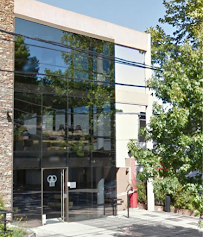

Travel and Stay
Round-trip flight
From JFK
- 1 stop
- CA$1,369
- Multiple stops
- CA$1,591
One-night stay
Average price in Argentina
Average price for one night in Argentina, shown in US dollars.
Attractions
In Buenos Aires
- Gatun Lake: Monkeys & Exotic Wildlife by the Canal
- Panama City Visit an Indian town Embera and waterfall with lunch
- Panama Canal & City Tour
Frequently asked questions
Before seeking the Leep Loop Electrosurgical Excision Procedure abroad, it's important to understand the procedure itself, including its purpose, potential risks, and recovery process. Additionally, researching the qualifications of the medical team and the standards of the facility can help ensure a safe experience.
When comparing international providers for the Leep Loop Electrosurgical Excision Procedure, consider factors such as the provider's experience, facility accreditation, patient reviews, and the availability of post-operative care. It's also beneficial to inquire about the specific techniques and technologies used in the procedure.
Look for facilities that are accredited by recognized international health organizations, as this indicates adherence to high safety and quality standards. Additionally, check if the medical staff performing the Leep Loop Electrosurgical Excision Procedure have specialized training and experience in gynecological surgeries.
Recovery time after a Leep Loop Electrosurgical Excision Procedure typically ranges from a few days to a couple of weeks, depending on individual factors. When planning travel, consider allowing sufficient time for recovery before returning home, as well as the availability of follow-up care if needed.
Before choosing an international provider for the Leep Loop Electrosurgical Excision Procedure, ask about their experience with the procedure, the technology they use, the facility's accreditation, and what post-operative care is available. Additionally, inquire about the process for addressing any complications that may arise.
Before traveling to Argentina for medical care, it's important to plan your itinerary carefully, including accommodations and transportation. Many cities, such as Buenos Aires, have a well-developed healthcare infrastructure catering to international patients. Familiarizing yourself with local customs and healthcare practices can also enhance your experience.
The cost of living in Argentina is generally lower than in the U.S., which can make accommodations, food, and transportation more affordable. However, prices can vary significantly depending on the region and the type of services you choose. It's advisable to research and budget accordingly to ensure a comfortable stay.
U.S. citizens do not need a visa for stays of up to 90 days in Argentina for tourism or medical travel. However, it's essential to have a valid passport and ensure it remains valid for the duration of your stay. Always check for any updates on entry requirements before your trip.
While Spanish is the official language in Argentina, many healthcare professionals, especially in major cities and private facilities, speak English. It's helpful to learn a few basic Spanish phrases, but you can generally find English-speaking staff in hospitals and clinics that cater to international patients.
Argentina offers various transportation options, including buses, taxis, and ride-sharing services, making it easy to navigate cities. In larger cities like Buenos Aires, public transportation is efficient and affordable. Planning your transportation in advance can help ensure a smooth experience during your medical travel.
Data last updated July 10, 2026. Prices and savings are estimates, not guarantees.