

Treatment destination
Mammography Care in Costa Rica
Mammography in Costa Rica is listed on CureValue.

Why Americans travel for mammography care
Mammography is a specialized imaging technique that uses low-dose X-rays to create detailed pictures of the breast, primarily used for early detection of breast cancer and other breast abnormalities. It is often recommended for women, especially those over 40 or with a family history of breast cancer, as part of routine screening or to investigate specific symptoms like lumps or unusual changes in breast tissue. The procedure typically involves positioning the breast between two plates to obtain clear images, which can be done in various settings, including hospitals and outpatient clinics. Some Americans may consider seeking mammography abroad due to factors such as access to services, availability of appointments, potential cost savings, or shorter wait times. While there may be potential benefits to receiving care in another country, such as advanced technology or specialized expertise, it is crucial to carefully evaluate the experience of the provider, the quality and accreditation of the facility, and the transparency of costs. Additionally, patients should consider logistics like travel requirements, recovery time, and the availability of follow-up care to ensure a comprehensive approach to their health needs.

Key stats: Mammography in Costa Rica

92
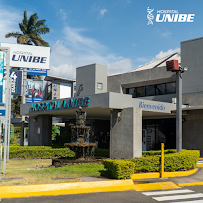
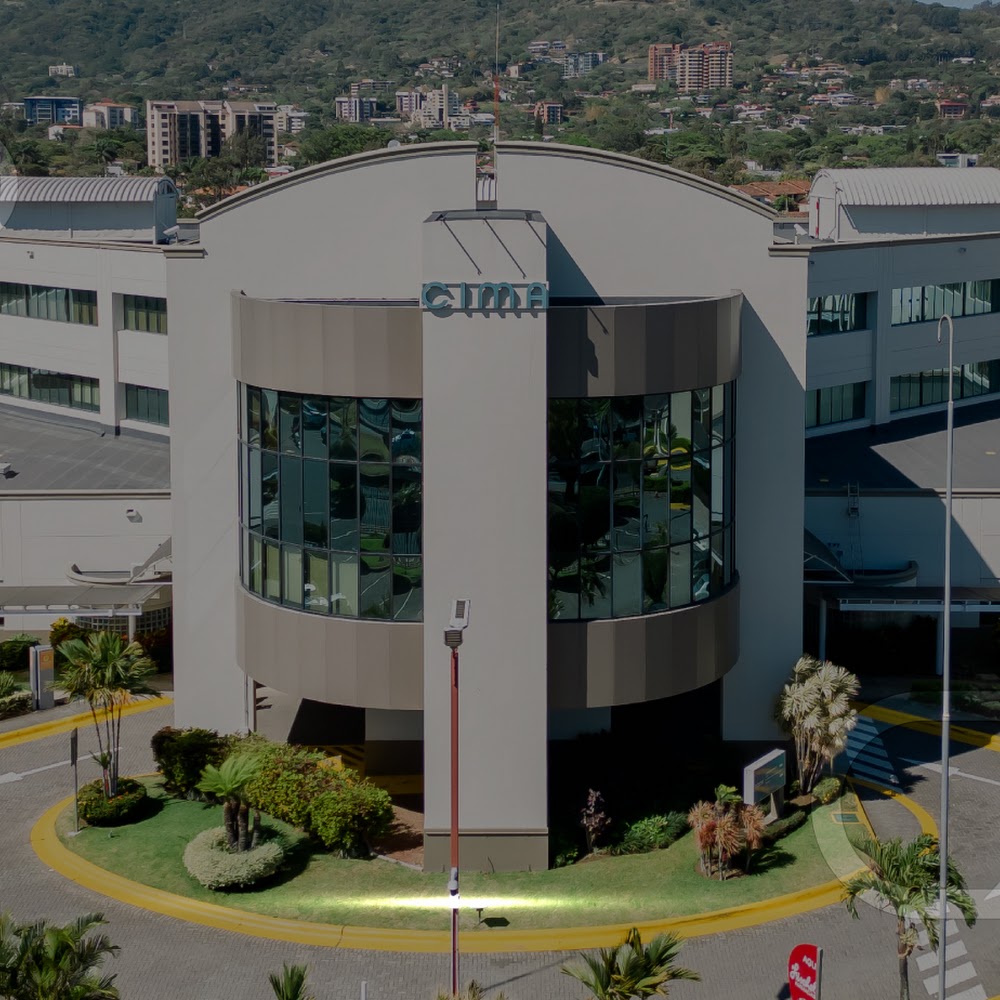
Top gynecology facilities in Costa Rica
Compare all 6 providers →
Travel and Stay
Round-trip flight
From JFK
Unavailable
One-night stay
Average price in Costa Rica
Average price for one night in Costa Rica, shown in US dollars.
Attractions
In Costa Rica
Unavailable
Frequently asked questions
When seeking mammography services internationally, consider the facility's accreditation, the experience of the radiologists, and the technology used for imaging. It's also important to check patient reviews and the facility's adherence to safety standards.
To ensure quality and safety, look for facilities accredited by recognized international organizations. Additionally, inquire about the qualifications of the medical staff and the types of equipment used, as well as the facility's infection control practices.
Ask about the provider's experience with mammography, the technology they use, their accreditation status, and how they handle follow-up care. It's also wise to inquire about the process for obtaining and sharing your results with your primary care physician back home.
Mammography is a non-invasive procedure, and most patients can resume normal activities immediately afterward. However, if you experience discomfort or have any concerns, it's advisable to consult with the provider for guidance.
While costs for mammography abroad may be lower than in the United States, prices can vary widely based on the facility and location. It's important to obtain detailed quotes and understand what is included in the price before making a decision.
When planning your trip to Costa Rica for medical care, it's important to research your options and prepare for your stay. Many Americans choose Costa Rica for its well-established healthcare infrastructure and the availability of English-speaking medical professionals. Additionally, consider arranging accommodations close to your treatment facility for convenience during recovery.
U.S. citizens do not need a visa for stays of up to 90 days in Costa Rica. However, you should have a valid passport, proof of onward travel, and may be asked to show evidence of sufficient funds for your stay. It's always a good idea to check for any updates on entry requirements before your trip.
The cost of living in Costa Rica can be lower than in the U.S., particularly in terms of food and accommodations. However, prices can vary significantly depending on the area and your lifestyle choices. It's advisable to budget accordingly and explore local options for dining and lodging to make the most of your experience.
Yes, English is commonly spoken in Costa Rica, particularly in tourist areas and healthcare settings. Many medical professionals are fluent in English, which can help ease communication during your visit. However, learning a few basic Spanish phrases can enhance your experience and interactions.
Costa Rica offers various transportation options, including taxis, shuttles, and rental cars. Many medical travelers prefer to arrange airport transfers and local transportation through their accommodations or medical facilitators for convenience. Public transportation is also available, but planning ahead can help ensure a smooth experience during your recovery.
Data last updated July 10, 2026. Prices and savings are estimates, not guarantees.