

Treatment destination
Pap smear Care in South Korea
Pap smear in South Korea is listed on CureValue.

Why Americans travel for pap smear care
A Pap smear, also known as a Pap test, is a routine screening procedure used to detect abnormal cells in the cervix that could indicate cervical cancer or precancerous conditions. During the test, a healthcare provider collects cells from the cervix using a small brush or spatula, which are then examined in a laboratory. It is typically recommended for women starting at age 21 or within three years of becoming sexually active, especially if they have symptoms such as unusual bleeding or pelvic pain. Some Americans may consider receiving a Pap smear abroad due to factors like shorter wait times, availability in certain regions, or potentially lower costs. While there may be benefits to seeking care internationally, such as access to different healthcare systems, it is crucial to evaluate the experience of the provider, the quality and accreditation of the facility, and the transparency of costs. Additionally, consider the logistics of travel, recovery time, and the availability of follow-up care, as these factors can significantly impact your overall experience and health outcomes.

Key stats: Pap smear in South Korea

85
Top gynecology facilities in South Korea
Compare all 3 providers →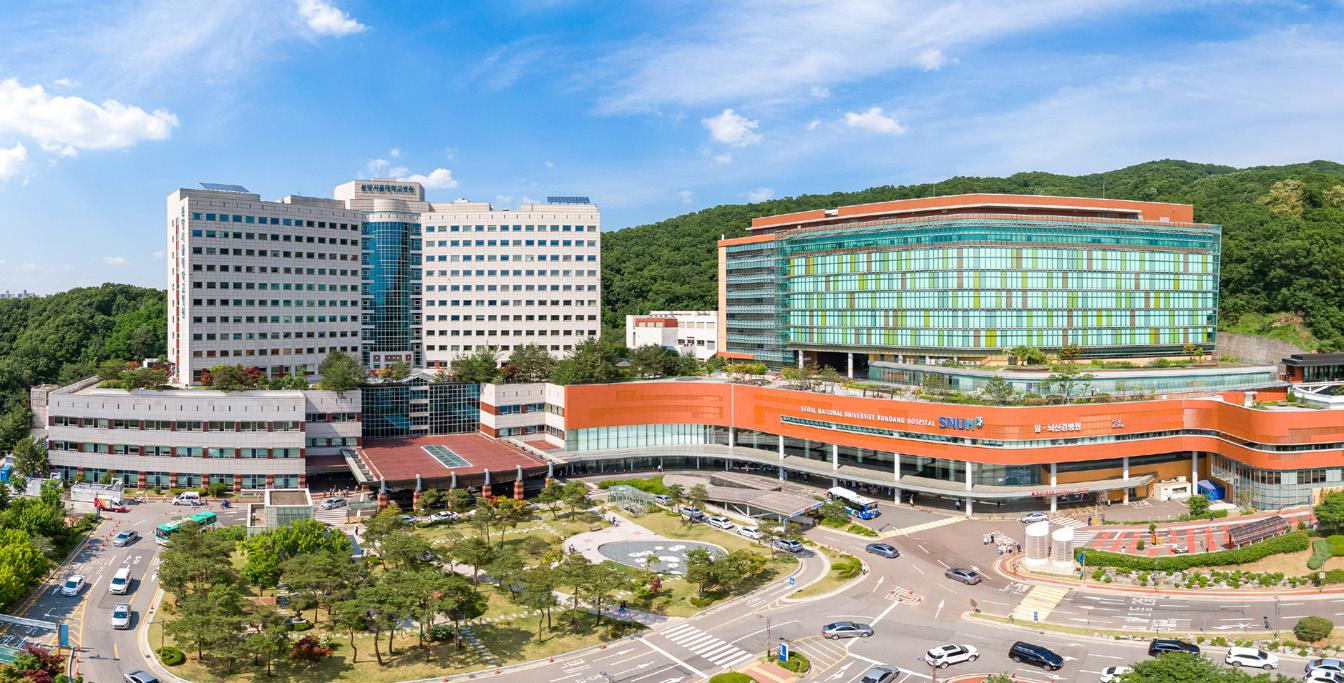
Seoul National University Bundang Hospital
86

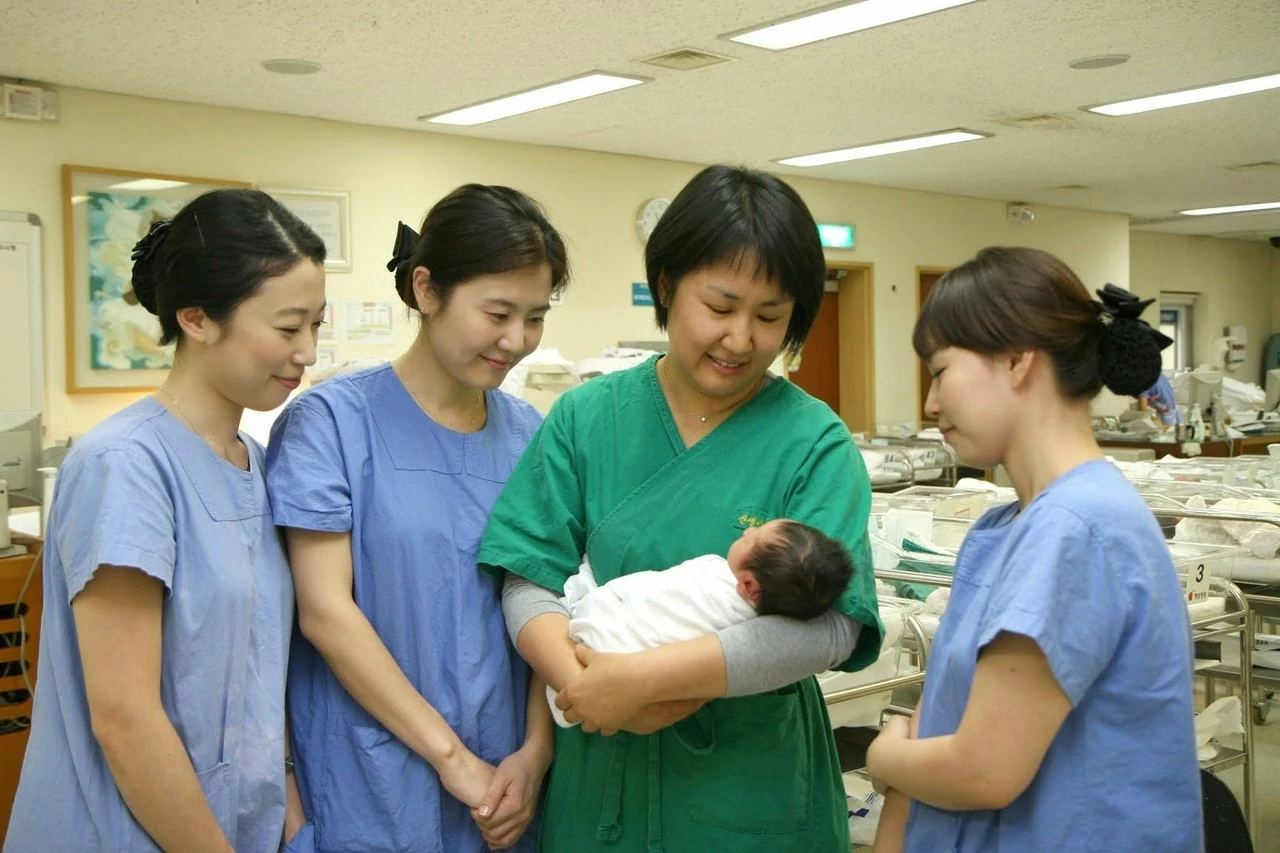
Cheil General Hospital & Women’s Healthcare Center
84
Top gynecology doctors in South Korea

Dr Kan Inn Suh
Bariatric Surgery, Gynecology
Cheil General Hospital & Women’s Healthcare CenterView facility
Dr Ying Hong Li
Bariatric Surgery, Gynecology
Cheil General Hospital & Women’s Healthcare CenterView facilityTravel and Stay
Round-trip flight
From JFK
Unavailable
One-night stay
Average price in South Korea
Average price for one night in South Korea, shown in US dollars.
Attractions
In South Korea
Unavailable
Frequently asked questions
When seeking a facility for a Pap Smear abroad, consider the provider's experience, the facility's accreditation, and the standards of care they uphold. It's also important to check for reviews from previous patients and ensure that the facility follows international health guidelines.
To ensure safety and quality for your Pap Smear abroad, research the facility's accreditation and certifications. Look for hospitals or clinics that are recognized by international health organizations and have a good track record in gynecological care.
Before choosing a provider for your Pap Smear, ask about their experience with the procedure, the technology they use, and their follow-up care process. Inquire about how they handle potential complications and what support is available if you need further treatment.
Recovery from a Pap Smear is usually quick, with most patients returning to normal activities within a day. However, if you are traveling, consider allowing extra time for any potential follow-up appointments or unexpected delays in recovery.
While costs for a Pap Smear abroad can vary widely, they may be lower than in the U.S. It's important to consider not just the price but also the quality of care and any additional expenses related to travel and accommodation. Always request a detailed breakdown of costs from the provider.
When planning your trip to South Korea for medical care, it's important to research the healthcare facilities and understand the logistics of your stay. Many hospitals cater to international patients, offering services in English and assistance with travel arrangements. Additionally, familiarize yourself with local customs and transportation options to ensure a smooth experience.
The cost of living in South Korea can vary significantly depending on the city and lifestyle. Generally, accommodations, food, and transportation can be more affordable than in many U.S. cities. However, it's wise to budget according to your personal preferences and needs, as prices can fluctuate.
U.S. citizens traveling to South Korea for short stays, including medical travel, typically do not need a visa for visits of up to 90 days. However, it's essential to have a valid passport and check for any updates on entry requirements before your trip. Always verify the latest information from official sources.
English is commonly spoken in major cities and tourist areas in South Korea, particularly in healthcare settings that cater to international patients. Many medical professionals are proficient in English, which can help ease communication during your visit. However, learning a few basic Korean phrases can enhance your experience.
South Korea has an efficient public transportation system, including subways, buses, and taxis, making it easy to navigate cities. For medical travelers, many hospitals offer shuttle services or assistance with transportation arrangements. It's advisable to download local transportation apps to help plan your journeys.
Data last updated July 10, 2026. Prices and savings are estimates, not guarantees.