

Treatment destination
Hair Transplantation Care in Pakistan
Pakistan has 3 hair transplantation providers listed on CureValue, with typical prices from $1,500 to $2,500 and average savings of 77% compared with US costs. Top-rated clinics are in Lahore.

Key stats: Hair Transplantation in Pakistan

84
Hair Transplantation costs in Pakistan vs the US
Estimates from providers listed on CureValue. Actual prices vary by provider and case.
| Procedure | Pakistan price range | Typical US cost | Average savings |
|---|---|---|---|
| FUE (Follicular Unit Extraction) | $1,500 to $2,500 | about $8,000 | 76% |
| Follicular Unit Extraction (FUE) | $1,500 to $2,500 | about $8,000 | 75% |
| Follicular Unit Transplantation (FUT) | $1,500 to $1,800 | about $8,000 | 80% |
| DHI (Direct Hair Implantation) | about $2,500 | about $10,000 | 75% |
FUE (Follicular Unit Extraction)
Follicular Unit Extraction (FUE)
Follicular Unit Transplantation (FUT)
DHI (Direct Hair Implantation)
Top hair transplantation facilities in Pakistan
Compare all 3 providers →
Destination facts
Travel and Stay
Round-trip flight
From JFK
Unavailable
One-night stay
Average price in Pakistan
Average price for one night in Pakistan, shown in US dollars.
Attractions
In Pakistan
Unavailable
Why Americans travel for hair transplantation care
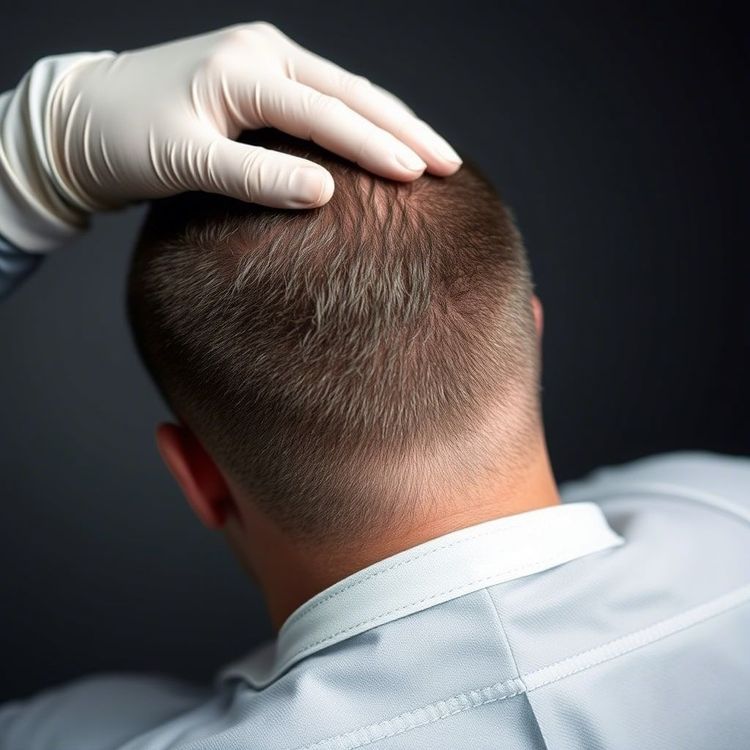
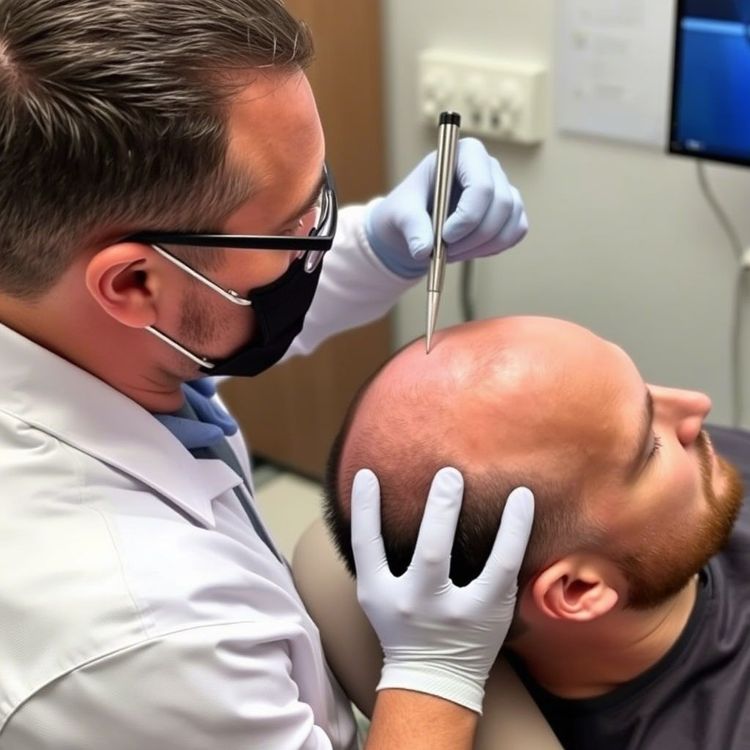
Hair transplantation is a surgical procedure that involves moving hair follicles from one part of the body, typically the back or sides of the scalp, to areas experiencing hair loss, often due to genetics, aging, or medical conditions. Some Americans may consider traveling abroad for this treatment due to factors such as potentially lower costs, access to specialized techniques, or shorter wait times. Common methods include Follicular Unit Transplantation (FUT) and Follicular Unit Extraction (FUE), each with its own approach to harvesting and implanting hair follicles. While there may be potential advantages to receiving care internationally, such as advanced technology or experienced surgeons, it is crucial to carefully evaluate the quality of the facility, the provider's credentials, and the transparency of costs. Patients should also consider the importance of post-treatment care, including follow-up appointments and recovery time, which may require planning for care after returning home. Key questions to ask before choosing a provider include their experience with hair transplantation, the clinic's accreditation, and how they handle communication and continuity of care throughout the process.
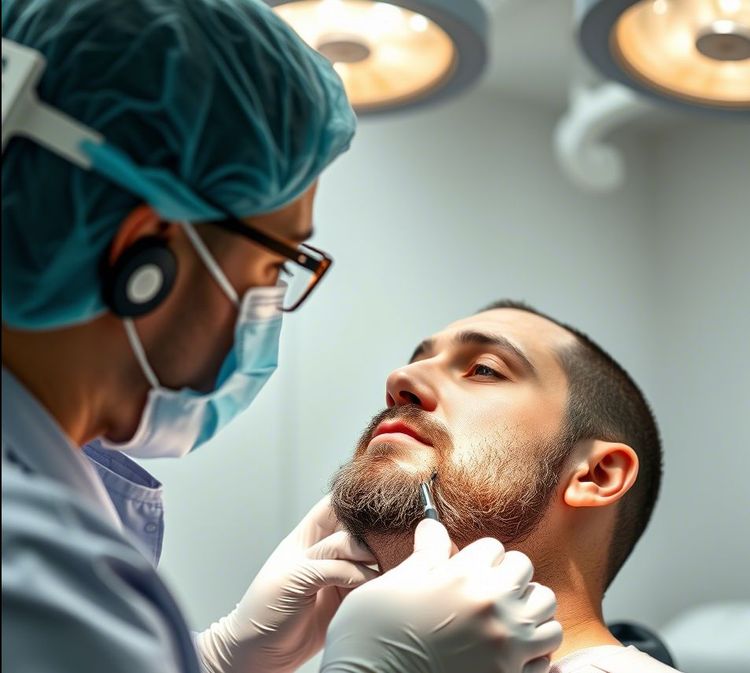
Beard Transplant
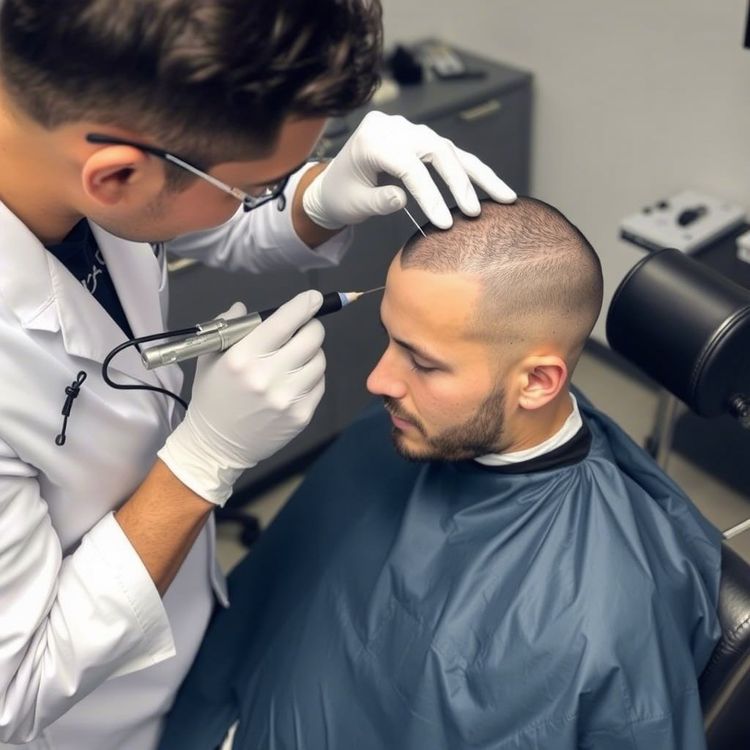
A beard transplant is a cosmetic procedure designed to enhance facial hair growth, offering individuals the...
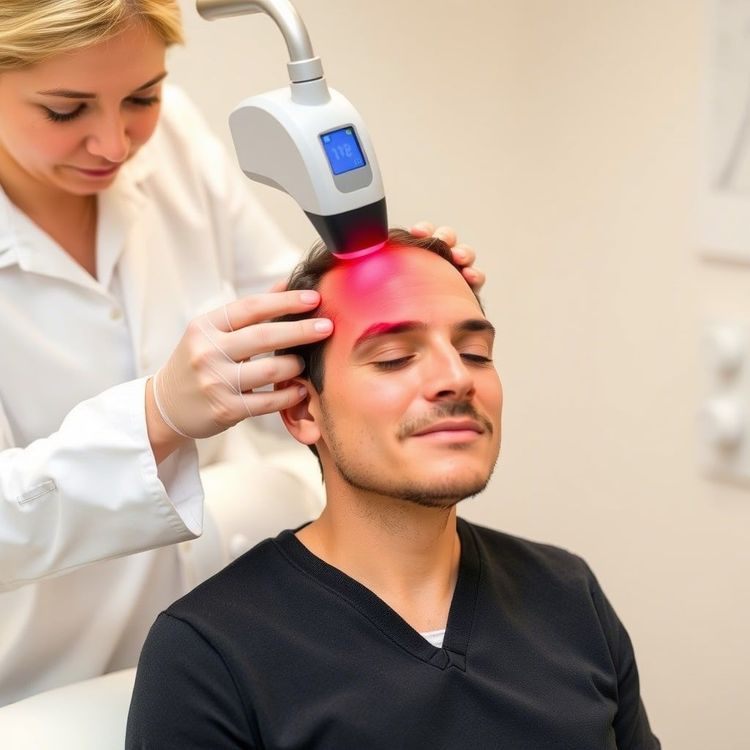
Laser Therapy
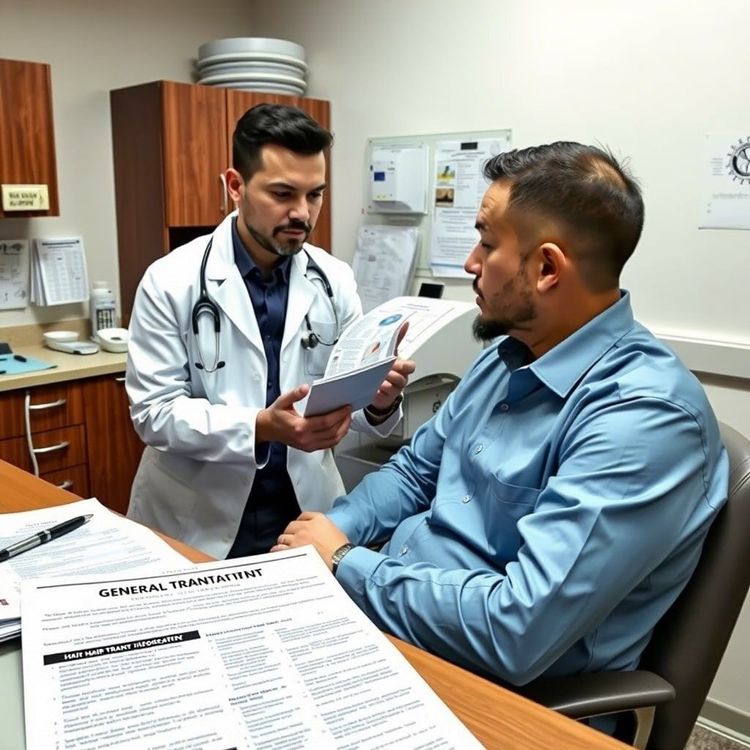
Laser therapy for hair loss treatment is a non-invasive, cutting-edge procedure designed to stimulate hair growth and...

DHT Blocking Treatments
DHT-blocking treatments are a cornerstone of therapies designed to combat hair loss, particularly androgenetic...

About Pakistan as a care destination
Pakistan has emerged as a notable destination for medical care, particularly for American patients seeking high-quality treatment at competitive prices. The country boasts a range of internationally accredited hospitals and clinics, equipped with advanced technology and staffed by highly trained specialists in various fields, including cardiology, orthopedics, and cosmetic surgery. Many facilities cater specifically to international patients, offering services in English and streamlined processes for medical travelers. The cost of treatments in Pakistan can be significantly lower than in the United States, making it an attractive option for those looking for affordable healthcare solutions. Additionally, the country's growing reputation for quality care and patient satisfaction enhances its appeal as a medical travel destination.
Explore all treatments in Pakistan →Frequently asked questions
Many Americans travel to Pakistan for Hair Transplantation care due to significant cost savings. Providers listed on CureValue average about 77 percent savings compared with typical US prices.
You can typically save about 77 percent on Hair Transplantation in Pakistan. This average savings makes it an appealing option for many patients seeking affordable care.
The most commonly done Hair Transplantation procedures in Pakistan include FUE (Follicular Unit Extraction) with 76 percent savings, FUT (Follicular Unit Transplantation) with 80 percent savings, and DHI (Direct Hair Implantation) with 75 percent savings.
To choose a good Hair Transplantation provider in Pakistan, consider the CureValue Rating, which is an independent vetted rating that goes beyond accreditation. This rating helps you assess quality and patient satisfaction.
CureValue supports secure transfer of medical records between the treating facility and the patient's US doctor. This ensures continuity of care and helps manage your recovery effectively.
Before traveling to Pakistan for medical care, it's important to plan your trip carefully. Ensure you have a valid passport and check the visa requirements for U.S. citizens, as you may need to apply for a visa in advance. Familiarize yourself with local customs and healthcare facilities to make your experience smoother.
The cost of living in Pakistan is generally lower than in the U.S., which can make accommodations, food, and transportation more affordable. However, prices can vary significantly depending on the city and the type of services you choose. It's advisable to budget accordingly and research options that fit your needs.
In Pakistan, English is widely spoken, especially in urban areas and healthcare settings. Many healthcare professionals are fluent in English, which can help facilitate communication during your medical journey. However, it's helpful to learn a few basic phrases in Urdu, the national language, to enhance your experience.
Getting around in Pakistan can be convenient with various transportation options available, including taxis, ride-sharing services, and public transport. It's advisable to arrange transportation in advance, especially for hospital visits, to ensure a smooth experience. Familiarizing yourself with local traffic rules and customs can also be beneficial.
Pakistan has a growing healthcare infrastructure that caters to international patients, with many hospitals and clinics equipped to provide quality care. Facilities in major cities often have international patient departments that assist with logistics, language translation, and other needs, making the process more accessible for American travelers.
Data last updated July 10, 2026. Prices and savings are estimates, not guarantees.