

Treatment destination
Hair grafting Care in Dominican Republic
Hair grafting in Dominican Republic is listed on CureValue.

Why Americans travel for hair grafting care
Hair grafting is a surgical procedure that involves transferring hair follicles from one part of the body, typically the back or sides of the scalp, to areas experiencing hair loss or thinning. This treatment is often recommended for individuals with conditions such as androgenetic alopecia (male or female pattern baldness) or other types of hair loss. Common techniques include follicular unit transplantation (FUT) and follicular unit extraction (FUE), each with its own method of harvesting and implanting hair follicles. Americans may consider seeking hair grafting abroad for various reasons, including potentially shorter wait times, different availability of specialized techniques, or cost considerations. While some patients report benefits such as access to experienced surgeons or advanced technology, it is crucial to thoroughly research the provider's qualifications, the facility's accreditation, and the transparency of costs before making a decision. Additionally, patients should consider recovery time, travel logistics, and the availability of follow-up care, as these factors can significantly impact the overall experience and outcome of the procedure.

Key stats: Hair grafting in Dominican Republic

91
Top hair transplantation facilities in Dominican Republic
Compare all 2 providers →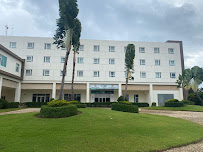

Hair Transplant Institute - Dr. Alba Reyes
90
Travel and Stay
Round-trip flight
From JFK
Unavailable
One-night stay
Average price in Dominican Republic
Average price for one night in Dominican Republic, shown in US dollars.
Attractions
In Dominican Republic
Unavailable
Frequently asked questions
When evaluating clinics for hair grafting abroad, consider the provider's experience, the facility's accreditation, and patient reviews. Look for clinics that specialize in hair restoration and have a proven track record of successful procedures.
To ensure safety and quality, research the clinic's accreditation and the qualifications of the medical staff. It's also important to inquire about the techniques used and whether they follow international health standards.
Recovery time after hair grafting can vary, but most patients can return to normal activities within a week. It's advisable to stay in the treatment destination for at least a few days post-procedure for follow-up care and to monitor any initial side effects.
Before choosing a provider for hair grafting, ask about their experience with the procedure, the techniques they use, and the expected recovery process. Additionally, inquire about post-operative care and how they handle complications if they arise.
While hair grafting abroad may offer potential cost savings compared to U.S. prices, it's important to consider the overall value, including the quality of care and the provider's expertise. Always request a detailed breakdown of costs and what is included in the price.
When planning your trip to the Dominican Republic for medical care, it's important to research your destination, understand the local healthcare infrastructure, and ensure you have all necessary travel documents. Many Americans find the country to be a welcoming place with a variety of healthcare options. Additionally, consider arranging transportation and accommodations in advance to make your recovery as smooth as possible.
U.S. citizens traveling to the Dominican Republic typically need a valid passport and may be required to fill out a tourist card upon arrival. It's advisable to check for any updates on entry requirements before your trip, as regulations can change. Ensure your passport is valid for at least six months beyond your planned departure date.
The cost of living in the Dominican Republic is generally lower than in the U.S., which can make accommodations, food, and transportation more affordable. However, prices can vary depending on the area and the type of services you choose. It's a good idea to budget accordingly and research local options to find what best fits your needs.
While Spanish is the official language of the Dominican Republic, many healthcare professionals, especially in larger cities and tourist areas, speak English. This can help facilitate communication during your medical travel experience. However, it may be beneficial to learn a few basic Spanish phrases to enhance your interactions.
The Dominican Republic offers various transportation options, including taxis, ride-sharing services, and public buses. For medical travelers, arranging transportation in advance can be helpful, especially for getting to and from appointments. Many hotels and clinics can assist with transportation logistics to ensure a comfortable experience during your stay.
Data last updated July 10, 2026. Prices and savings are estimates, not guarantees.