

Treatment destination
Laparoscopic liver resection Care in Saudi Arabia
Laparoscopic liver resection in Saudi Arabia is listed on CureValue.

Why Americans travel for laparoscopic liver resection care
Laparoscopic liver resection is a minimally invasive surgical procedure used to remove a portion of the liver, often recommended for patients with liver tumors, cysts, or certain types of liver disease. This technique involves making small incisions in the abdomen and using a camera and specialized instruments to perform the surgery, which can lead to less pain and quicker recovery compared to traditional open surgery. Americans considering this procedure abroad may be motivated by factors such as shorter wait times, availability of specialized care, or potentially lower costs. However, it is crucial to carefully evaluate the experience of the surgical team, the quality and accreditation of the medical facility, and the transparency of costs. Additionally, patients should consider the logistics of travel, recovery time, and the availability of follow-up care after returning home. While some patients may find benefits in seeking care internationally, it is essential to approach this decision with thorough research and consideration of all factors involved.

Key stats: Laparoscopic liver resection in Saudi Arabia

86
Top laparoscopic surgery facilities in Saudi Arabia
Compare all 2 providers →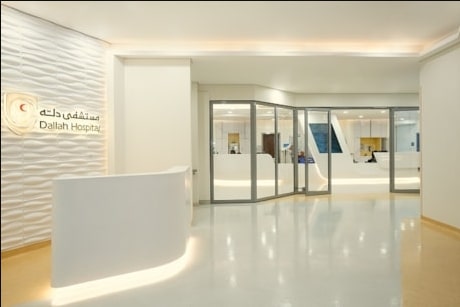
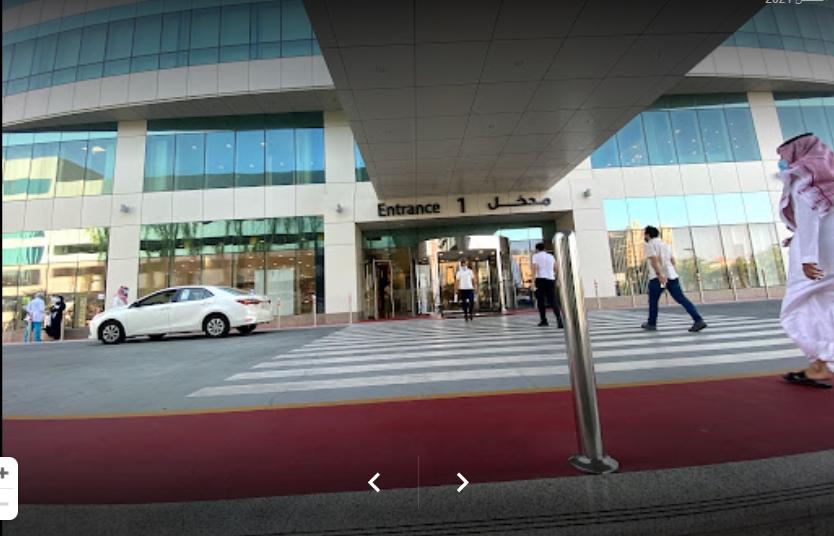
Dr. Sulaiman Al-Habib Hospital – Al Khobar
83
Travel and Stay
Round-trip flight
From JFK
Unavailable
One-night stay
Average price in Saudi Arabia
Average price for one night in Saudi Arabia, shown in US dollars.
Attractions
In Saudi Arabia
Unavailable
Frequently asked questions
When evaluating facilities for laparoscopic liver resection, consider the hospital's accreditation, the experience of the surgical team, and the technology available. Look for institutions that specialize in liver surgeries and have a track record of successful outcomes.
To ensure safety and quality, research the hospital's accreditation status and any international certifications it may hold. Additionally, inquire about the surgeon's experience specifically with laparoscopic liver resection and review patient testimonials or outcomes if available.
Recovery time after laparoscopic liver resection typically ranges from a few days to a couple of weeks, depending on individual health factors. Patients should plan for a stay of at least one week post-surgery for monitoring and follow-up before traveling back home.
Before selecting a provider, ask about their experience with laparoscopic liver resection, the number of procedures they perform annually, and their complication rates. Additionally, inquire about the hospital's accreditation and the availability of post-operative care.
While costs for laparoscopic liver resection abroad can be significantly lower than in the U.S., it's important to consider all associated expenses, including travel, accommodation, and follow-up care. Always request a detailed breakdown of costs from the provider to make an informed comparison.
When planning your medical travel to Saudi Arabia, it's important to familiarize yourself with the local customs and healthcare system. Many hospitals cater to international patients and have English-speaking staff, making communication easier. Additionally, consider the climate and plan your travel dates accordingly, as summers can be extremely hot.
U.S. citizens traveling to Saudi Arabia for medical purposes typically need a visa. It's advisable to apply for a medical visa through the Saudi embassy or consulate before your trip. Ensure you have all necessary documentation, including an invitation from a healthcare provider in Saudi Arabia, to facilitate the process.
The cost of living in Saudi Arabia can vary significantly depending on the city and lifestyle. Generally, accommodation and food can be more affordable than in the U.S., but this can depend on your choices. It's wise to budget for your stay, considering both medical expenses and daily living costs.
Yes, English is commonly spoken in Saudi Arabia, particularly in major cities and healthcare facilities. Many healthcare professionals are fluent in English, which helps facilitate communication for international patients. However, it's always helpful to learn a few basic Arabic phrases to enhance your experience.
When traveling to Saudi Arabia for medical care, consider how you will get around. Major cities have reliable transportation options, including taxis and ride-sharing services. Additionally, plan for your recovery by ensuring you have accommodations close to your medical facility and consider any follow-up appointments that may be necessary.
Data last updated July 10, 2026. Prices and savings are estimates, not guarantees.