

Treatment destination
Brain tumors Care in Germany
Brain tumors in Germany is listed on CureValue.

Why Americans travel for brain tumors care
Brain tumors are abnormal growths of cells in the brain that can be benign (non-cancerous) or malignant (cancerous). Treatment typically involves a combination of surgery, radiation therapy, and chemotherapy, depending on the tumor's type, size, and location, as well as the patient's overall health. Common symptoms may include headaches, seizures, changes in vision or speech, and cognitive difficulties, which can lead to recommendations for treatment. Procedures may include craniotomy (surgical removal of the tumor), stereotactic radiosurgery, or targeted drug therapies. Some Americans consider seeking treatment abroad due to factors like access to specialized care, availability of advanced technologies, potentially lower costs, or shorter wait times. While there may be potential benefits to receiving care in other countries, such as innovative treatment options or personalized care, it is crucial to carefully evaluate the experience of healthcare providers, the quality and accreditation of facilities, cost transparency, recovery times, travel logistics, and the availability of follow-up care. Understanding these factors can help patients make informed decisions about their treatment options for brain tumors.

Key stats: Brain tumors in Germany

84
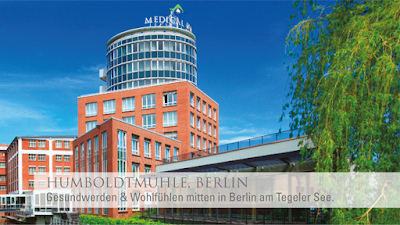
Top neurology facilities in Germany
Compare all 11 providers →
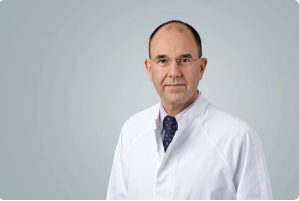
Top neurology doctors in Germany




Travel and Stay
Round-trip flight
From JFK
Unavailable
One-night stay
Average price in Germany
Average price for one night in Germany, shown in US dollars.
Attractions
In Germany
Unavailable
Frequently asked questions
When evaluating treatment options for brain tumors abroad, consider the provider's experience, the facility's accreditation, and the specific technologies and techniques they use. It's also important to research patient reviews and outcomes to gauge the quality of care.
To ensure safety and quality, look for facilities that are accredited by recognized international organizations and have a track record of treating brain tumors. Additionally, inquire about the hospital's infection control measures and the availability of advanced medical technologies.
Key questions to ask include the provider's experience with brain tumor cases, the specific treatment options they offer, and their approach to post-operative care. It's also important to ask about the facility's accreditation and how they handle complications or emergencies.
Recovery timelines can vary based on the type of treatment received and individual patient factors. Generally, patients may need to stay in the hospital for several days post-surgery, followed by a recovery period that can last from weeks to months, depending on their specific situation.
While many patients seek treatment abroad for potential cost savings, it's important to understand that prices can vary widely based on the facility and the complexity of the case. Always request detailed estimates and consider additional costs such as travel, accommodation, and follow-up care when making comparisons.
Before traveling to Germany for medical care, it's important to plan your itinerary, including accommodations and transportation. Many cities have excellent public transport systems, making it easy to navigate. Additionally, consider scheduling some time for recovery and sightseeing to make the most of your trip.
The cost of living in Germany can vary by city, but generally, it is considered to be lower than in many major U.S. cities. Accommodation, food, and transportation can be more affordable, but it's wise to budget according to your specific needs and preferences.
U.S. citizens can enter Germany for short stays of up to 90 days without a visa for tourism or medical purposes. However, it's advisable to have your travel documents in order and check for any updates on entry requirements before your trip.
Yes, English is commonly spoken in Germany, particularly in urban areas and healthcare settings. Many medical professionals are proficient in English, which can help facilitate communication during your visit.
Germany has an efficient public transportation system, including trains, trams, and buses, making it easy to get around. Many cities also offer bike rentals and walking paths. Planning your transportation in advance can help ensure a smooth experience during your stay.
Data last updated July 10, 2026. Prices and savings are estimates, not guarantees.