

Treatment destination
Neurology Care in France
France has 2 neurology providers listed on CureValue, with typical prices from $800 to $900 and average savings of 26% compared with US costs. Top-rated clinics are in Loire-Atlantique and Seine-Maritime.

Why Americans travel for neurology care
Neuro-oncology is a specialized field of medicine that focuses on diagnosing and treating tumors of the brain and spinal cord, as well as other neurological conditions related to cancer. Common conditions that may lead to neuro-oncology treatment include brain tumors, metastatic cancer affecting the nervous system, and complications from cancer therapies. Treatment options often involve a combination of surgery, radiation therapy, and chemotherapy, tailored to the specific type and location of the tumor. Americans may consider seeking neuro-oncology care abroad for various reasons, such as shorter wait times, access to specialized treatments not available in the U.S., or potentially lower costs. While there may be benefits to receiving care internationally, such as exposure to different treatment approaches, it is crucial to carefully evaluate factors like the provider's experience, the quality and accreditation of the facility, cost transparency, recovery time, travel logistics, and the availability of follow-up care. Thorough research and consideration of these elements can help patients make informed decisions about their neuro-oncology treatment options.

Key stats: Neurology in France

84
Neurology costs in France vs the US
Estimates from providers listed on CureValue. Actual prices vary by provider and case.
| Procedure | France price range | Typical US cost | Average savings |
|---|---|---|---|
| MRI Scan | $800 to $900 | about $1,200 | 29% |
| EEG (Electroencephalogram) | about $800 | about $1,000 | 20% |
MRI Scan
EEG (Electroencephalogram)
Top neurology facilities in France
Compare all 2 providers →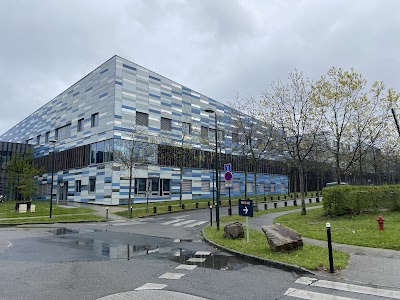
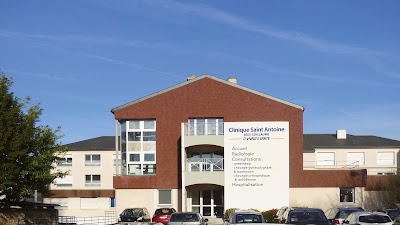
Travel and Stay
Round-trip flight
From JFK
Unavailable
One-night stay
Average price in France
Average price for one night in France, shown in US dollars.
Attractions
In France
Unavailable
Frequently asked questions
When evaluating neuro-oncology treatment options abroad, consider the provider's experience, the facility's accreditation, and the specific technologies and techniques they use. It's also important to research patient reviews and outcomes, as well as the availability of follow-up care after your treatment.
To ensure safety and quality in neuro-oncology care abroad, look for facilities that are accredited by recognized international organizations. Additionally, verify the qualifications and experience of the medical team, and inquire about their protocols for patient safety and infection control.
Key questions to ask include the provider's experience with your specific condition, the types of treatments they offer, their success rates, and how they handle complications. Additionally, inquire about the facility's accreditation and what post-treatment support is available.
Recovery timelines for neuro-oncology treatments can vary widely depending on the specific procedure and individual patient factors. Generally, patients may need to stay close to the treatment facility for follow-up care, which can affect travel plans. It's important to discuss recovery expectations with your provider before making arrangements.
While many patients seek neuro-oncology treatment abroad for potential cost savings, prices can vary significantly based on the facility and location. It's essential to obtain detailed quotes and understand what is included in the cost, as well as any additional expenses for travel and accommodation.
When planning a trip to France for medical care, it's important to research the healthcare facilities and understand the logistics of your stay. Familiarize yourself with the local area where you will be receiving care, and consider arranging accommodations nearby for convenience. Additionally, ensure you have all necessary travel documents and health insurance coverage that includes international care.
The cost of living in France can vary significantly depending on the region. Generally, major cities like Paris may have higher costs for lodging and dining compared to smaller towns. However, many Americans find that everyday expenses, such as groceries and public transportation, can be more affordable than in the U.S. It's wise to budget accordingly and explore local options.
U.S. citizens can travel to France for short stays of up to 90 days without a visa for tourism or medical purposes. However, it's essential to have a valid passport and ensure it remains valid for the duration of your stay. Always check for any updates on entry requirements before your trip, as regulations can change.
While French is the official language, many healthcare professionals in France, particularly in urban areas and tourist destinations, speak English. It's helpful to learn a few basic French phrases, but you can generally expect to find English-speaking staff in hospitals and clinics catering to international patients.
France offers a variety of transportation options, including trains, buses, and taxis, making it easy to navigate both cities and rural areas. The high-speed train system (TGV) connects major cities efficiently, while public transportation in cities like Paris is extensive and user-friendly. Consider planning your transportation in advance to ensure a smooth experience during your medical trip.
Data last updated July 10, 2026. Prices and savings are estimates, not guarantees.