

Treatment destination
Neurology Care in Croatia
Croatia has 2 neurology providers listed on CureValue, 1 internationally accredited, with typical prices from $300 to $6,000 and average savings of 47% compared with US costs. Top-rated clinics are in Rijeka and Zagreb.

Why Americans travel for neurology care
Pain management for conditions like neuralgia and complex regional pain syndrome focuses on alleviating chronic pain that can result from nerve damage or dysfunction. Treatment typically involves a combination of medications, physical therapy, and interventional procedures such as nerve blocks or spinal cord stimulation. Patients may seek this care abroad for various reasons, including shorter wait times, potential cost savings, or access to specialized techniques not readily available in the U.S. While some patients report positive experiences with international care, it is crucial to consider factors such as the provider's experience, the quality and accreditation of the facility, and the transparency of costs. Additionally, patients should evaluate the logistics of travel, recovery time, and the availability of follow-up care to ensure a comprehensive approach to their pain management needs.

Key stats: Neurology in Croatia

94
Neurology costs in Croatia vs the US
Estimates from providers listed on CureValue. Actual prices vary by provider and case.
| Procedure | Croatia price range | Typical US cost | Average savings |
|---|---|---|---|
| EEG (Electroencephalogram) | $400 to $600 | about $1,000 | 44% |
| MRI scan | $450 to $800 | about $1,200 | 51% |
| MRI | about $800 | about $1,500 | 47% |
| MRI Brain | about $800 | about $2,000 | 60% |
EEG (Electroencephalogram)
MRI scan
MRI
MRI Brain
Top neurology facilities in Croatia
Compare all 2 providers →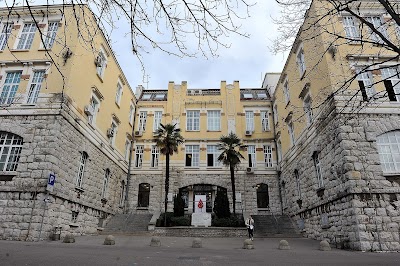
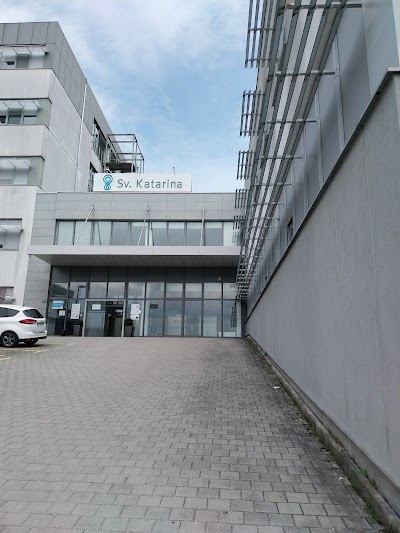
Travel and Stay
Round-trip flight
From JFK
Unavailable
One-night stay
Average price in Croatia
Average price for one night in Croatia, shown in US dollars.
Attractions
In Croatia
Unavailable
Frequently asked questions
When seeking treatment abroad, consider the provider's experience with Pain Management Neuralgia Complex Regional Pain Syndrome, the facility's accreditation, and the quality of care standards. It's also important to research patient reviews and outcomes to ensure you choose a reputable provider.
To compare providers, look for their qualifications, experience in treating Pain Management Neuralgia Complex Regional Pain Syndrome, and facility accreditation. Additionally, consider the types of pain management techniques they offer and their approach to patient care, rather than focusing solely on cost.
Look for facilities that are accredited by recognized international health organizations and have a track record of safety in pain management procedures. Ensure that the staff is experienced in treating Pain Management Neuralgia Complex Regional Pain Syndrome and that the facility adheres to strict hygiene and patient care protocols.
Recovery times can vary based on the specific treatment received for Pain Management Neuralgia Complex Regional Pain Syndrome. Generally, patients may need follow-up appointments to monitor progress and adjust pain management strategies. Discuss the expected recovery timeline and follow-up care with your provider before treatment.
Ask about the provider's experience with Pain Management Neuralgia Complex Regional Pain Syndrome, the specific techniques they use, and their success rates. Inquire about the facility's accreditation, patient safety measures, and what post-treatment support is available to ensure comprehensive care.
Before traveling to Croatia for medical care, it's important to plan your trip carefully. Ensure you have a valid passport and check the latest entry requirements for U.S. citizens. Familiarize yourself with local customs and healthcare facilities, and consider arranging accommodations close to your treatment center for convenience during recovery.
Croatia generally offers a lower cost of living compared to the U.S., which can be beneficial for medical travelers. While prices for lodging, food, and transportation can vary by region, many visitors find that their expenses are manageable. It's advisable to budget accordingly and research local prices to get a better understanding of what to expect.
Yes, English is widely spoken in Croatia, particularly in tourist areas and healthcare settings. Many medical professionals are proficient in English, which can help facilitate communication during your visit. However, it's always a good idea to learn a few basic Croatian phrases to enhance your experience.
Croatia offers various transportation options, including buses, trains, and taxis, making it easy to navigate between cities and medical facilities. Many urban areas also have reliable public transport systems. For added convenience, consider renting a car if you plan to explore more remote locations during your recovery.
Croatia has a well-developed healthcare infrastructure that caters to international patients. Many hospitals and clinics are equipped with modern technology and adhere to international standards. Additionally, the country has a growing reputation for medical tourism, with facilities that are accustomed to serving foreign patients and providing comprehensive support throughout their stay.
Data last updated July 10, 2026. Prices and savings are estimates, not guarantees.