

Treatment destination
Bunion surgery Care in Italy
Bunion surgery in Italy is listed on CureValue.

Why Americans travel for bunion surgery care
Bunion surgery, also known as hallux valgus surgery, is a procedure aimed at correcting the deformity of the big toe, which can cause pain and difficulty in walking. This surgery is often recommended for individuals experiencing significant discomfort, limited mobility, or other complications due to bunions that do not improve with conservative treatments like orthotics or physical therapy. Common surgical options include osteotomy, where the bone is cut and realigned, and arthrodesis, which involves fusing the bones in the joint. Americans may consider seeking bunion surgery abroad for various reasons, such as shorter wait times, potential cost savings, or access to specialized care. While some patients report benefits like reduced expenses or quicker scheduling, it is crucial to carefully evaluate factors such as the surgeon's experience, the quality and accreditation of the medical facility, transparency in costs, recovery time, and the logistics of travel and follow-up care. Understanding these elements can help patients make informed decisions about whether to pursue bunion surgery outside the United States.

Key stats: Bunion surgery in Italy

87
Top orthopedic/knee surgery facilities in Italy
Compare all 1 provider →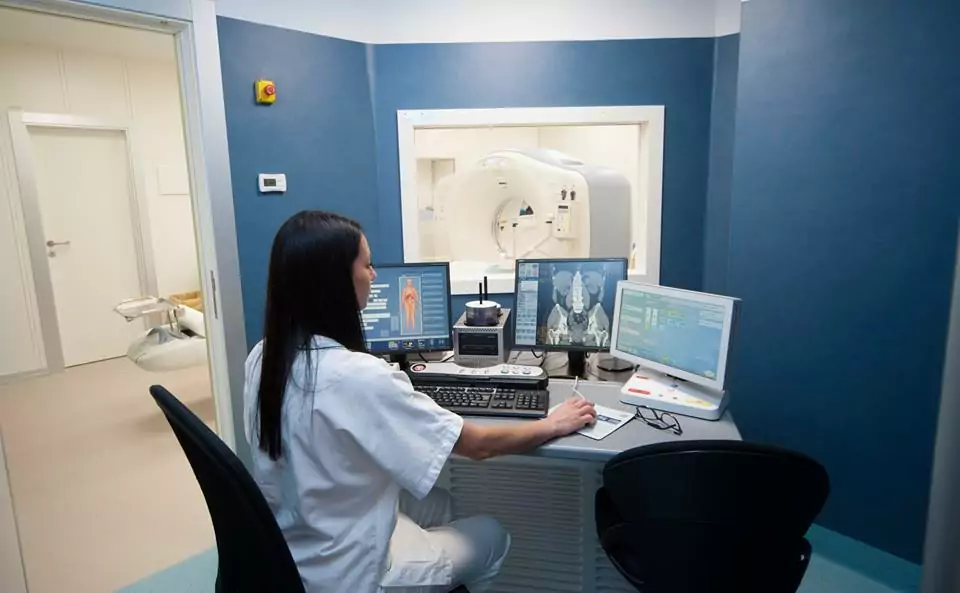
Top orthopedic/knee surgery doctors in Italy
Travel and Stay
Round-trip flight
From JFK
Unavailable
One-night stay
Average price in Italy
Average price for one night in Italy, shown in US dollars.
Attractions
In Italy
Unavailable
Frequently asked questions
When evaluating facilities for bunion surgery, consider the accreditation of the hospital, the experience and qualifications of the surgeons, and the standards of care provided. Look for facilities that have a good reputation and positive patient reviews, as well as those that adhere to international safety protocols.
To ensure safety for your bunion surgery abroad, research the surgeon's credentials and experience specifically in bunion procedures. Additionally, verify that the facility is accredited by recognized international health organizations and inquire about their infection control practices.
Recovery time after bunion surgery can vary, but most patients can expect to take 1 to 2 weeks off from regular activities. It's advisable to plan for at least a week of recovery in the destination before traveling back home, allowing time for follow-up appointments and to ensure you are stable for travel.
Before proceeding with bunion surgery, ask your provider about their experience with the procedure, the specific techniques they use, and the expected recovery process. Additionally, inquire about post-operative care, potential complications, and how follow-up will be managed once you return home.
While the cost of bunion surgery abroad may be lower than in the U.S., it is important to consider all associated expenses, including travel, accommodation, and follow-up care. Researching multiple providers and understanding what is included in the quoted price can help you make an informed decision.
When planning a trip to Italy for medical care, it's important to research the healthcare facilities and understand the logistics of your travel. Ensure you have all necessary documents, including a valid passport and any required medical records. Familiarizing yourself with local customs and healthcare practices can also enhance your experience.
Italy generally offers a lower cost of living compared to many parts of the U.S., particularly in terms of food and accommodations. However, prices can vary significantly between cities, with popular tourist destinations like Rome and Milan being more expensive. It's advisable to budget accordingly and explore local options for dining and lodging.
U.S. citizens can enter Italy for tourism or medical travel without a visa for stays of up to 90 days. However, it's essential to have a valid passport and ensure it remains valid for the duration of your stay. Always check for any updates on entry requirements before your trip.
While Italian is the official language, English is commonly spoken in major cities and tourist areas, including many healthcare facilities. Many healthcare professionals are proficient in English, which can help ease communication during your medical travel experience.
Italy has a well-developed public transportation system, including trains, buses, and trams, making it easy to navigate between cities and local areas. For recovery, consider the proximity of your accommodation to your healthcare facility, as well as access to amenities and support services. Planning your transportation in advance can help ensure a smooth experience.
Data last updated July 10, 2026. Prices and savings are estimates, not guarantees.