

Treatment destination
Deformity correction Care in Venezuela
Deformity correction in Venezuela is listed on CureValue.

Why Americans travel for deformity correction care
Deformity correction is a medical procedure aimed at correcting physical abnormalities in bones or joints, often recommended for conditions such as scoliosis, limb length discrepancies, or congenital deformities. The treatment typically involves surgical techniques like osteotomy, where bones are cut and repositioned, or the use of external fixators to gradually realign bones. Patients may consider seeking deformity correction abroad for various reasons, including shorter wait times, potential cost savings, or access to specialized care not readily available in the U.S. While some patients report benefits such as improved mobility and quality of life, it is crucial to carefully evaluate factors like the surgeon's experience, the quality and accreditation of the medical facility, cost transparency, recovery time, and the logistics of travel and follow-up care. Thorough research and consultation with healthcare professionals are essential to make an informed decision about receiving deformity correction outside the United States.

Key stats: Deformity correction in Venezuela

87
Top orthopedic/knee surgery facilities in Venezuela
Compare all 1 provider →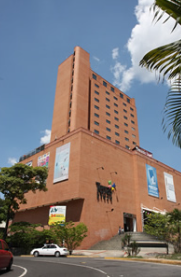
Travel and Stay
Round-trip flight
From JFK
Unavailable
One-night stay
Average price in Venezuela
Average price for one night in Venezuela, shown in US dollars.
Attractions
In Venezuela
Unavailable
Frequently asked questions
When evaluating facilities for deformity correction, consider the provider's experience, the facility's accreditation, and the standards of care they adhere to. Look for hospitals that are internationally accredited and have a track record of successful deformity correction procedures.
To ensure safety, research the qualifications of the surgeon performing your deformity correction and check for any patient reviews or testimonials. Additionally, confirm that the facility follows strict hygiene protocols and has emergency care capabilities.
Recovery time for deformity correction can vary, but patients often need to stay in the destination for several days to weeks post-surgery for monitoring and follow-up care. It's important to plan your travel itinerary accordingly, allowing for adequate recovery time before returning home.
Before choosing a provider for deformity correction, ask about their experience with the specific procedure, the types of technology and techniques they use, and their post-operative care protocols. Additionally, inquire about the facility's accreditation and any potential risks associated with the surgery.
While costs for deformity correction abroad can be lower than in the U.S., it's essential to consider the overall value, including the quality of care and the provider's experience. Be sure to obtain detailed quotes and understand what is included in the price, such as pre-operative assessments and post-operative follow-ups.
When planning a trip to Venezuela for medical care, it's important to research your destination and understand the local healthcare infrastructure. Many cities, such as Caracas and Maracaibo, have facilities that cater to international patients. Ensure you have a clear plan for your travel, accommodations, and recovery logistics to make your experience as smooth as possible.
U.S. citizens traveling to Venezuela typically need a visa to enter the country. It's advisable to check the latest entry requirements through the Venezuelan embassy or consulate before your trip, as regulations can change. Make sure to have all necessary documentation ready to ensure a smooth entry process.
The cost of living in Venezuela can be significantly lower than in the U.S., particularly in terms of lodging and food. However, prices can vary widely depending on the location and availability of services. It's wise to budget accordingly and research local options to find accommodations and meals that fit your needs.
While Spanish is the official language of Venezuela, many healthcare professionals in urban areas may speak English, especially those accustomed to treating international patients. It can be helpful to learn some basic Spanish phrases or have a translation app handy to facilitate communication during your visit.
Venezuela offers various transportation options, including taxis, buses, and domestic flights for longer distances. In major cities, taxis are a convenient way to navigate, but it's advisable to use reputable services. Planning your transportation in advance can help ensure a smoother experience during your medical travel.
Data last updated July 10, 2026. Prices and savings are estimates, not guarantees.