

Treatment destination
Orthopedic/Knee Surgery Care in Romania
Romania has 4 orthopedic/knee surgery providers listed on CureValue, with typical prices from $2,500 to $18,000 and average savings of 66% compared with US costs. Top-rated clinics are in Bucuresti.

Key stats: Orthopedic/Knee Surgery in Romania

84
Orthopedic/Knee Surgery costs in Romania vs the US
Estimates from providers listed on CureValue. Actual prices vary by provider and case.
| Procedure | Romania price range | Typical US cost | Average savings |
|---|---|---|---|
| Knee Replacement Surgery | $12,000 to $18,000 | about $45,000 | 69% |
| ACL Reconstruction Surgery | $7,000 to $15,000 | about $35,000 | 70% |
| Total Knee Replacement | $12,000 to $15,000 | about $50,000 | 72% |
| ACL Reconstruction | $8,000 to $15,000 | about $35,000 | 67% |
Knee Replacement Surgery
ACL Reconstruction Surgery
Total Knee Replacement
ACL Reconstruction
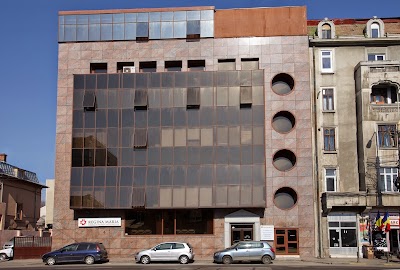
Top orthopedic/knee surgery facilities in Romania
Compare all 4 providers →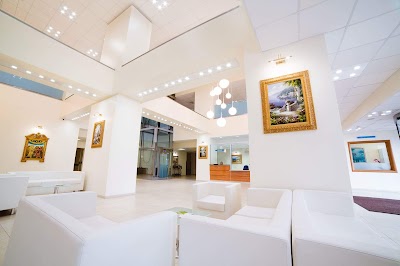
Destination facts
Travel and Stay
Round-trip flight
One-night stay
Attractions
Why Americans travel for orthopedic/knee surgery care
Orthopedic knee surgery encompasses a range of procedures aimed at addressing issues related to the knee joint, such as arthritis, ligament injuries, or cartilage damage, and patients may seek this treatment to alleviate pain, improve mobility, or restore function. Some Americans consider traveling abroad for orthopedic knee surgery due to factors like potentially lower costs, shorter wait times, or access to specialized care that may not be readily available in the U.S. Common procedures include arthroscopy, knee replacement, and ligament reconstruction, each tailored to the patient's specific condition. While there may be potential advantages to receiving care internationally, such as advanced techniques or personalized attention, it is crucial to carefully evaluate the experience and qualifications of the healthcare provider, the quality and accreditation of the facility, and the transparency of costs. Patients should also plan for recovery and follow-up care, ensuring they have a clear understanding of post-treatment support upon returning home. Before making a decision, key questions to consider include the provider's experience with similar cases, the facility's safety record, and how continuity of care will be managed after the procedure.
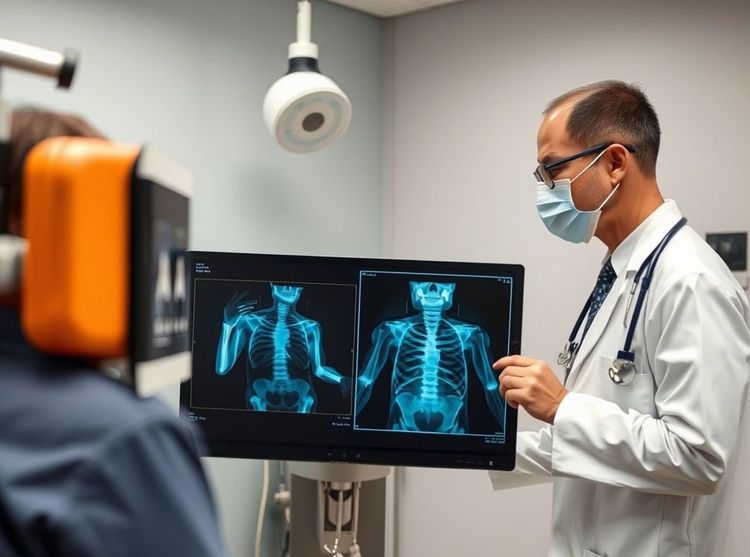
Arthroscopy
Arthroscopy is a minimally invasive orthopedic procedure used to diagnose and treat joint-related conditions such as...

Osteoporosis Treatment
Osteoporosis treatment is a critical component of managing this chronic condition, which weakens bones and increases...
Exploring Orthopedic/Knee Surgery Treatment Abroad
Orthopedic knee surgery is a specialized medical procedure designed to address conditions affecting the knee joint,...



About Romania as a care destination
Romania has emerged as a notable destination for medical care, particularly for American patients seeking high-quality treatments at competitive prices. The country boasts several internationally accredited hospitals and clinics, especially in major cities like Bucharest and Cluj-Napoca, where a range of specialties, including dental care, cosmetic surgery, and orthopedic procedures, are available. Romanian healthcare facilities are equipped with modern technology and staffed by well-trained professionals, many of whom have received training abroad. The cost of medical procedures in Romania can be significantly lower than in the United States, making it an attractive option for those looking to save on healthcare expenses. Additionally, the country's rich culture and history provide a unique backdrop for recoVery, enhancing the overall experience for medical travelers.
Explore all treatments in Romania →Frequently asked questions
When planning your trip to Romania for medical care, it's important to research the healthcare facilities and understand the logistics of your stay. Many cities, such as Bucharest and Cluj-Napoca, are well-equipped to handle international patients, offering a range of services to assist with your recovery. Additionally, consider arranging transportation and accommodations in advance to ensure a smooth experience.
Romania generally has a lower cost of living compared to the United States, which can be beneficial for medical travelers. While prices for lodging, food, and transportation can vary by city, many Americans find that their expenses in Romania are more manageable. However, it's wise to budget accordingly and research specific costs based on your travel plans.
U.S. citizens can enter Romania for short stays of up to 90 days without a visa for tourism or medical purposes. It's advisable to have a valid passport and to check for any updates on entry requirements before your trip. Always ensure that your travel documents are in order to avoid any complications upon arrival.
English is commonly spoken in Romania, particularly in urban areas and among healthcare professionals. Many doctors and medical staff are proficient in English, which can help facilitate communication during your medical journey. However, it's still a good idea to learn a few basic Romanian phrases to enhance your experience.
Romania offers various transportation options, including public buses, trams, and trains, which are generally affordable and efficient. In larger cities, taxis and rideshare services are also available. For medical travelers, arranging transportation in advance can help ensure you have reliable options for getting to and from your appointments and recovery accommodations.
Data last updated July 10, 2026. Prices and savings are estimates, not guarantees.