

Treatment destination
Laminectomy Care in New Zealand
Laminectomy in New Zealand is listed on CureValue.

Why Americans travel for laminectomy care
Laminectomy is a surgical procedure that involves removing a portion of the vertebra called the lamina to relieve pressure on the spinal cord or nerves, often recommended for conditions such as spinal stenosis, herniated discs, or chronic back pain. The procedure typically aims to alleviate symptoms like pain, numbness, or weakness in the legs or arms caused by nerve compression. Techniques may vary, but the surgery is usually performed under general anesthesia and can be done using traditional open surgery or minimally invasive methods. Americans may consider seeking a laminectomy abroad for reasons such as shorter wait times, availability of specialized care, or potentially lower costs, though these factors can vary widely by location. While some patients report benefits from receiving care overseas, such as access to advanced technologies or experienced surgeons, it is crucial to thoroughly research the provider's qualifications, the facility's accreditation, and the transparency of costs. Additionally, patients should consider recovery time, travel logistics, and the availability of follow-up care when making their decision.

Key stats: Laminectomy in New Zealand

89
Top orthopedic/knee surgery facilities in New Zealand
Compare all 1 provider →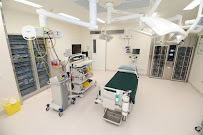
Travel and Stay
Round-trip flight
From JFK
Unavailable
One-night stay
Average price in New Zealand
Average price for one night in New Zealand, shown in US dollars.
Attractions
In New Zealand
Unavailable
Frequently asked questions
When evaluating laminectomy options abroad, consider the surgeon's experience, the facility's accreditation, and the overall quality of care. Research patient reviews and outcomes, and ensure the facility meets international standards for safety and hygiene.
To ensure safety and quality, look for hospitals accredited by recognized international organizations. Verify the credentials and experience of the surgical team, and inquire about the facility's infection control practices and patient care protocols.
Recovery time after a laminectomy can vary, but many patients can expect to return to normal activities within a few weeks. When planning travel, consider allowing sufficient time for recovery before flying home, as long flights may increase discomfort and complicate healing.
Before choosing a provider for laminectomy, ask about their experience with the procedure, the number of surgeries performed, and their complication rates. Inquire about the facility's accreditation, post-operative care, and follow-up procedures to ensure comprehensive support.
While many patients seek laminectomy abroad for potential cost savings, prices can vary widely based on the destination and facility. It's important to obtain detailed quotes that include all associated costs, such as pre-operative assessments and post-operative care, to make an informed comparison.
When planning your trip to New Zealand for medical care, it's important to consider the logistics of travel, including flight duration and local transportation options. Many cities have reliable public transport, and car rentals are also available. Additionally, familiarize yourself with the local healthcare system and ensure you have all necessary documentation for your medical journey.
The cost of living in New Zealand can vary significantly by region, but in general, you may find that accommodation, food, and transportation can be comparable to or slightly less than in the U.S. It's advisable to budget accordingly and research options for lodging and dining that fit your needs and preferences.
U.S. citizens traveling to New Zealand for medical purposes typically need to apply for a visitor visa, which allows for stays of up to 90 days. It's important to check the latest entry requirements and ensure your passport is valid for at least six months beyond your planned departure date.
Yes, English is the primary language spoken in New Zealand, and you will find that most healthcare professionals are fluent in English. This makes communication easier for American medical travelers, ensuring that you can discuss your needs and concerns without language barriers.
When planning for recovery in New Zealand, consider your accommodation's proximity to your treatment facility and any follow-up appointments. Many travelers choose to stay in comfortable lodgings that allow for rest and easy access to local amenities. It's also wise to have a plan for transportation and any necessary support during your recovery period.
Data last updated July 10, 2026. Prices and savings are estimates, not guarantees.