

Treatment destination
Meniscectomy Care in Venezuela
Meniscectomy in Venezuela is listed on CureValue.

Why Americans travel for meniscectomy care
Meniscectomy is a surgical procedure that involves the removal of all or part of a damaged meniscus, which is the cartilage in the knee that acts as a cushion between the thigh bone and the shin bone. This treatment is often recommended for individuals experiencing knee pain, swelling, or limited mobility due to meniscus tears, which can occur from injury or degeneration. The procedure can be performed using traditional open surgery or minimally invasive arthroscopy, where small incisions are made, allowing for quicker recovery. Americans may consider seeking meniscectomy abroad for various reasons, including shorter wait times, potential cost savings, or access to specialized care. While some patients report benefits such as reduced expenses or quicker scheduling, it is crucial to carefully evaluate factors like the surgeon's experience, the quality and accreditation of the medical facility, transparency in costs, and the logistics of travel and follow-up care. Understanding these elements can help patients make informed decisions about whether to pursue meniscectomy outside the United States.

Key stats: Meniscectomy in Venezuela

87
Top orthopedic/knee surgery facilities in Venezuela
Compare all 1 provider →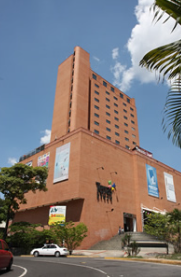
Travel and Stay
Round-trip flight
From JFK
Unavailable
One-night stay
Average price in Venezuela
Average price for one night in Venezuela, shown in US dollars.
Attractions
In Venezuela
Unavailable
Frequently asked questions
When searching for a facility for meniscectomy, consider the provider's experience, the facility's accreditation, and the standards of care they uphold. It's also important to look for reviews from previous patients and to ensure that the facility has the necessary equipment and technology for the procedure.
To assess safety and quality, research the accreditation of the healthcare facility and the qualifications of the surgeons performing meniscectomy. Look for international certifications, such as those from the Joint Commission International (JCI), and consider facilities that have a track record of successful outcomes.
Recovery time after a meniscectomy can vary, but most patients can expect to return to normal activities within a few weeks. However, you should plan for follow-up appointments and potential physical therapy, which may require additional time abroad. Discuss your travel plans with your healthcare provider to ensure a smooth recovery process.
Before selecting a provider for meniscectomy, ask about their experience with the procedure, the number of surgeries they perform annually, and their complication rates. Inquire about the facility's accreditation, the type of anesthesia used, and what post-operative care will be available to you.
While many patients seek meniscectomy abroad for potential cost savings, prices can vary widely based on the facility and location. It's important to obtain detailed quotes that include all associated costs, such as pre-operative assessments and post-operative care, to make an informed comparison with U.S. prices.
When planning a trip to Venezuela for medical care, it's important to research your destination and understand the local healthcare infrastructure. Many cities, such as Caracas and Maracaibo, have facilities that cater to international patients. Ensure you have a clear plan for your travel, accommodations, and recovery logistics to make your experience as smooth as possible.
U.S. citizens traveling to Venezuela typically need a visa to enter the country. It's advisable to check the latest entry requirements through the Venezuelan embassy or consulate before your trip, as regulations can change. Make sure to have all necessary documentation ready to ensure a smooth entry process.
The cost of living in Venezuela can be significantly lower than in the U.S., particularly in terms of lodging and food. However, prices can vary widely depending on the location and availability of services. It's wise to budget accordingly and research local options to find accommodations and meals that fit your needs.
While Spanish is the official language of Venezuela, many healthcare professionals in urban areas may speak English, especially those accustomed to treating international patients. It can be helpful to learn some basic Spanish phrases or have a translation app handy to facilitate communication during your visit.
Venezuela offers various transportation options, including taxis, buses, and domestic flights for longer distances. In major cities, taxis are a convenient way to navigate, but it's advisable to use reputable services. Planning your transportation in advance can help ensure a smoother experience during your medical travel.
Data last updated July 10, 2026. Prices and savings are estimates, not guarantees.